
Περιγραφή προϊόντος
Οι Υπηρεσίες μας
Επιλογή Υλικού Σχεδιασμού Προϊόντος
Σχεδιασμός καλουπιών Κατασκευή καλουπιών
Εκτύπωση λογότυπου μαζικής παραγωγής
Συναρμολόγηση Επιφανειακής Επεξεργασίας
Συσκευασία Παράδοση από Πόρτα σε Πόρτα
| Υλικό | Nylon ,mc nylon, POM,ABS,PU,PP,PE,PTFE,UHMWPE,HDPE,LDPE, PVC,etc. |
| Χρώμα | Μαύρο, άσπρο, κόκκινο, πράσινο, διαφανές ή οποιοδήποτε χρώμα σύμφωνα με τον κώδικα Pantone |
| Μέγεθος | Σύμφωνα με τις απαιτήσεις του πελάτη |
| Τεχνολογία | Injection molding, CNC machining, Extrusion |
| Επιφανειακή επεξεργασία | Επίστρωση με σκόνη, Επίστρωση ψευδαργύρου, Γαλβανισμός, Επίστρωση ηλεκτρο-εναπόθεσης, Επιμετάλλωση χρωμίου/ψευδάργυρου/νικελίου, Στίλβωση, Μεταξοτυπία, Μαύρο οξείδιο |
| Εφαρμογή | Αυτοκίνητο, ATV, Μηχανολογικός εξοπλισμός, Κατασκευές, Οικιακές συσκευές, Αεροπορία, Εγκαταστάσεις γραφείων, γεωργία, κ.λπ. |
| Αποστολή | Έχουμε μακροπρόθεσμη συνεργασία με διεθνή ναυτιλιακό πράκτορα και εταιρεία express, έτσι ώστε να εξασφαλίζεται η ασφάλεια της αποστολής και ο χρόνος άφιξης. |
Λεπτομερής εικόνα
Γιατί να μας επιλέξετε
Η μηχανή μας
Γκάμα προϊόντων
Επικοινωνήστε μαζί μας /* 10 Μαρτίου 2571 17:59:20 */!function(){function s(e,r){var a,o={};try{e&&e.split(“,”).forEach(function(e,t){e&&(a=e.match(/(.*1?):(./*)
| Customized: | Προσαρμοσμένη |
|---|---|
| Color: | Προσαρμοσμένη |
| Τύπος: | Rotating Wheel |
| Επιφανειακή επεξεργασία: | Προσαρμοσμένη |
| Size: | Προσαρμοσμένη |
| Υλικό: | Plastic |
| Προσαρμογή: | Διαθέσιμος | Προσαρμοσμένο Αίτημα |
|---|
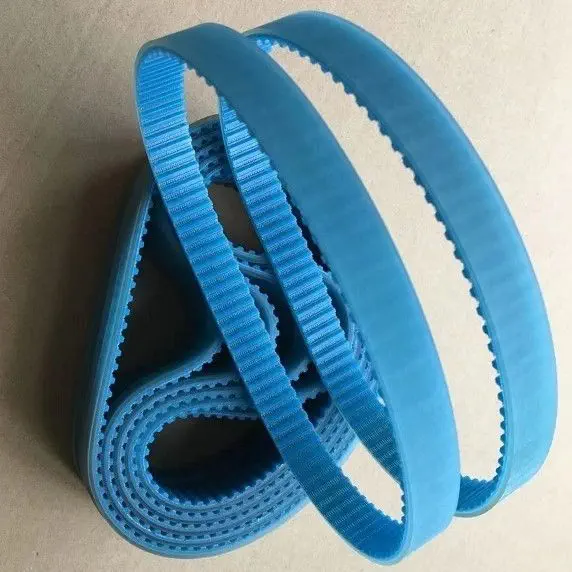
Πώς συμβάλλουν οι πλαστικοί ιμάντες στη μείωση της τριβής και της κατανάλωσης ενέργειας στα συστήματα μεταφοράς;
Οι πλαστικοί ιμάντες παίζουν σημαντικό ρόλο στη μείωση της τριβής και της κατανάλωσης ενέργειας στα συστήματα μεταφοράς. Ακολουθεί μια λεπτομερής εξήγηση:
- Χαμηλός συντελεστής τριβής:
Οι πλαστικοί ιμάντες έχουν σχεδιαστεί ώστε να έχουν χαμηλό συντελεστή τριβής, πράγμα που σημαίνει ότι προσφέρουν ελάχιστη αντίσταση στην κίνηση των μεταφερόμενων υλικών. Αυτό το χαρακτηριστικό μειώνει την τριβή μεταξύ του ιμάντα και των εξαρτημάτων του μεταφορικού ιμάντα, όπως οι αδρανείς τροχοί ή οι τροχαλίες, με αποτέλεσμα την ομαλότερη και πιο αποτελεσματική λειτουργία. Με μειωμένη τριβή, απαιτείται λιγότερη ισχύς για την κίνηση του συστήματος μεταφορικού ιμάντα, με αποτέλεσμα την εξοικονόμηση ενέργειας και τη βελτίωση της συνολικής απόδοσης.
- Ελαφριά κατασκευή:
Οι πλαστικοί ιμάντες είναι γενικά ελαφριοί σε σύγκριση με άλλα υλικά ιμάντα, όπως το καουτσούκ ή το μέταλλο. Αυτή η ελαφριά κατασκευή συμβάλλει στη μείωση της κατανάλωσης ενέργειας των συστημάτων μεταφοράς. Το μικρότερο βάρος του ιμάντα μειώνει το φορτίο στο σύστημα κίνησης, απαιτώντας λιγότερη ισχύ για την κίνηση του ιμάντα και των μεταφερόμενων υλικών. Ως αποτέλεσμα, οι ενεργειακές απαιτήσεις του συστήματος μεταφοράς μειώνονται, οδηγώντας σε εξοικονόμηση ενέργειας και χαμηλότερο λειτουργικό κόστος.
- Μειωμένη τριβή μεταξύ ιμάντων:
Σε συστήματα μεταφοράς όπου χρησιμοποιούνται πολλαπλοί ιμάντες, οι πλαστικοί ιμάντες μπορούν να βοηθήσουν στη μείωση της τριβής μεταξύ ιμάντα. Η λεία επιφάνεια των πλαστικών ιμάντων και ο χαμηλός συντελεστής τριβής τους ελαχιστοποιούν την επαφή και την αλληλεπίδραση μεταξύ γειτονικών ιμάντων. Αυτό μειώνει τις δυνάμεις τριβής που δημιουργούνται όταν οι ιμάντες έρχονται σε επαφή, με αποτέλεσμα μικρότερη απώλεια ενέργειας και βελτιωμένη απόδοση. Μειώνοντας την τριβή μεταξύ ιμάντα, οι πλαστικοί ιμάντες συμβάλλουν σε ομαλότερες και πιο αξιόπιστες λειτουργίες μεταφοράς.
- Βελτιωμένη ευκαμψία ζώνης:
Οι πλαστικοί ιμάντες έχουν σχεδιαστεί για να είναι εύκαμπτοι, επιτρέποντάς τους να προσαρμόζονται πιο αποτελεσματικά στα περιγράμματα των συστημάτων μεταφοράς. Η ευελιξία των πλαστικών ιμάντων βοηθά στη διατήρηση της σωστής ευθυγράμμισης των ιμάντων και μειώνει την εμφάνιση τριβής που σχετίζεται με την κακή ευθυγράμμιση. Όταν ένας ιμάντας δεν είναι ευθυγραμμισμένος, μπορεί να προκαλέσει αυξημένη τριβή και φθορά στον ιμάντα και στα εξαρτήματα του μεταφορέα, οδηγώντας σε υψηλότερη κατανάλωση ενέργειας. Προωθώντας την καλύτερη ευθυγράμμιση των ιμάντων, οι πλαστικοί ιμάντες ελαχιστοποιούν τις απώλειες τριβής και συμβάλλουν στην ενεργειακή απόδοση.
- Αποτελεσματική Μεταφορά Ισχύος:
Οι πλαστικοί ιμάντες προσφέρουν αποτελεσματική μεταφορά ισχύος εντός του συστήματος μεταφοράς. Ο χαμηλός συντελεστής τριβής και η ελαφριά κατασκευή των πλαστικών ιμάντων επιτρέπουν την πιο αποτελεσματική μετάδοση ισχύος από το σύστημα κίνησης στον ιμάντα. Αυτή η αποτελεσματική μεταφορά ισχύος διασφαλίζει ότι ένα μεγαλύτερο μέρος της εισερχόμενης ενέργειας χρησιμοποιείται για την κίνηση των μεταφερόμενων υλικών, αντί να χάνεται ως θερμότητα ή να σπαταλιέται λόγω τριβής. Ως αποτέλεσμα, μειώνεται η συνολική κατανάλωση ενέργειας του συστήματος μεταφοράς.
Συνοπτικά, οι πλαστικοί ιμάντες συμβάλλουν στη μείωση της τριβής και της κατανάλωσης ενέργειας στα συστήματα μεταφορικών ταινιών μέσω του χαμηλού συντελεστή τριβής, της ελαφριάς κατασκευής, της μειωμένης τριβής μεταξύ ιμάντα, της βελτιωμένης ευελιξίας του ιμάντα και της αποτελεσματικής μεταφοράς ισχύος. Αυτά τα χαρακτηριστικά όχι μόνο ενισχύουν τη συνολική απόδοση του συστήματος μεταφορικών ταινιών, αλλά έχουν επίσης ως αποτέλεσμα την εξοικονόμηση ενέργειας και τη μείωση του λειτουργικού κόστους. Επιλέγοντας πλαστικούς ιμάντες, οι βιομηχανίες μπορούν να βελτιστοποιήσουν τις λειτουργίες των μεταφορικών ταινιών τους, να ελαχιστοποιήσουν την κατανάλωση ενέργειας και να επιτύχουν πιο βιώσιμες και οικονομικά αποδοτικές διαδικασίες χειρισμού υλικών.
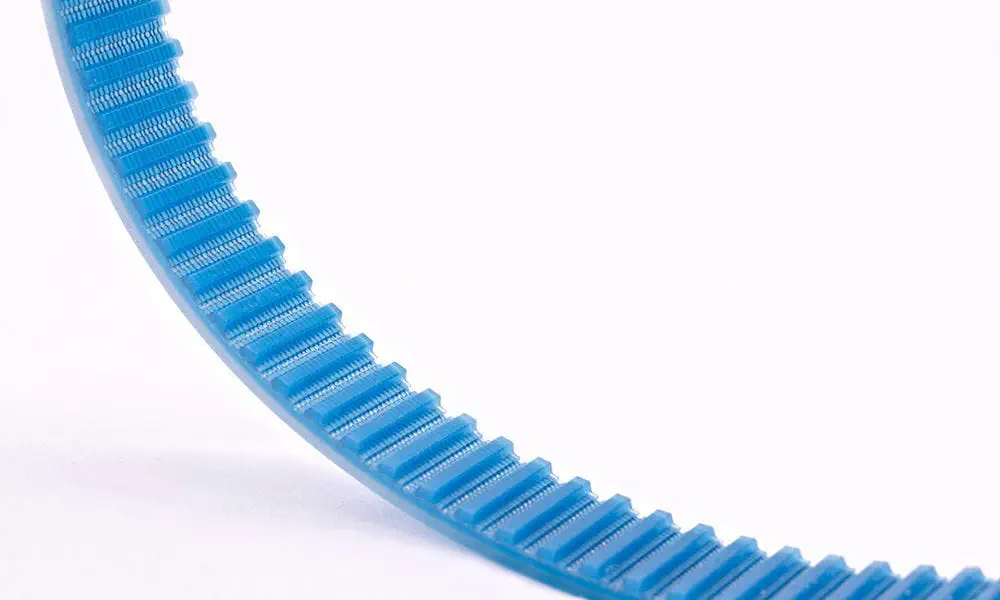
How do environmental factors affect the performance of plastic belts in outdoor applications?
Environmental factors can significantly impact the performance of plastic belts in outdoor applications. Here’s a detailed explanation:
- 1. Temperature:
The temperature in outdoor environments can vary widely, and extreme temperatures can affect the performance of plastic belts. High temperatures can cause plastic belts to soften, deform, or lose their structural integrity. On the other hand, low temperatures can make plastic belts brittle and more prone to cracking or breakage. It’s important to choose plastic belts that are specifically designed to withstand the temperature range of the outdoor application to ensure optimal performance and longevity.
- 2. UV Exposure:
Plastic belts exposed to direct sunlight in outdoor applications are susceptible to UV degradation. Prolonged exposure to UV radiation can cause the material to become brittle, fade in color, and weaken over time. UV-resistant plastic belts, typically made with additives or coatings that provide UV protection, are available to mitigate the effects of UV exposure. Using UV-resistant belts is crucial to maintain the performance and lifespan of plastic belts in outdoor environments.
- 3. Moisture and Humidity:
Outdoor environments often involve exposure to moisture and humidity, which can impact the performance of plastic belts. Excessive moisture can cause plastic belts to absorb water, leading to dimensional changes, reduced strength, and increased risk of mold or bacterial growth. High humidity can also affect the friction characteristics of the belts, potentially impacting their grip or slip resistance. Using moisture-resistant or waterproof plastic belts and implementing proper drainage and ventilation systems can help mitigate the effects of moisture and humidity.
- 4. Dust and Debris:
Outdoor applications are prone to the accumulation of dust, dirt, and debris. These particles can enter the conveyor system and become trapped between the plastic belt and other components, leading to increased friction, wear, and potential belt damage. Regular cleaning and maintenance practices, such as periodic belt cleaning or installing effective dust control measures, are essential to prevent the buildup of dust and debris and ensure the smooth operation of plastic belts in outdoor environments.
- 5. Mechanical Stress:
Outdoor applications may involve exposure to mechanical stressors such as heavy loads, impacts, or abrasive materials. Plastic belts should be selected based on their mechanical properties to withstand the specific demands of the outdoor environment. Reinforced or heavy-duty plastic belts with enhanced tensile strength and impact resistance may be necessary to ensure reliable performance and prevent premature failure.
- 6. Corrosive Substances:
In certain outdoor applications, plastic belts may come into contact with corrosive substances, such as chemicals or saltwater. Corrosive substances can degrade the plastic material, leading to reduced belt strength and potential failure. It’s important to choose plastic belts that are chemically resistant to the specific substances present in the outdoor environment to ensure long-term performance and minimize the risk of belt damage.
In summary, environmental factors such as temperature variations, UV exposure, moisture and humidity, dust and debris, mechanical stress, and corrosive substances can all impact the performance of plastic belts in outdoor applications. Selecting plastic belts specifically designed to withstand these environmental challenges, implementing proper maintenance practices, and considering additional protective measures can help ensure the longevity and reliable operation of plastic belts in outdoor settings.
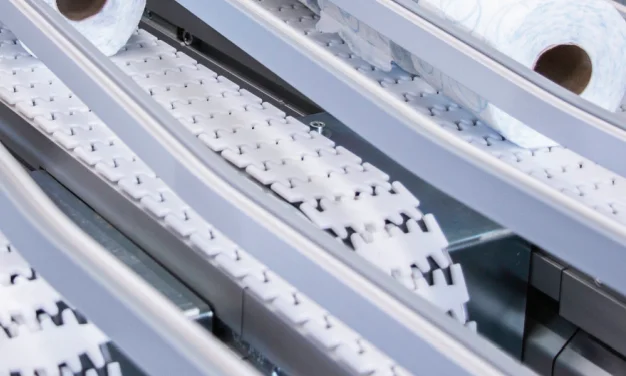
Πώς συμβάλλουν οι πλαστικοί ιμάντες στην αποτελεσματικότητα και τη λειτουργικότητα των συστημάτων μεταφοράς;
Οι πλαστικοί ιμάντες παίζουν καθοριστικό ρόλο στην ενίσχυση της αποδοτικότητας και της λειτουργικότητας των συστημάτων μεταφοράς. Ακολουθεί μια λεπτομερής εξήγηση:
- 1. Ελαφρύ και υψηλής αντοχής:
Οι πλαστικοί ιμάντες είναι συνήθως ελαφριοί, αλλά προσφέρουν υψηλή αντοχή και ικανότητα μεταφοράς φορτίου. Η ελαφριά φύση τους μειώνει το συνολικό βάρος του συστήματος μεταφοράς, με αποτέλεσμα τη χαμηλότερη κατανάλωση ενέργειας και τη μειωμένη καταπόνηση των εξαρτημάτων του συστήματος. Παρά το ελαφρύ τους βάρος, οι πλαστικοί ιμάντες μπορούν να αντέξουν βαριά φορτία, γεγονός που τους καθιστά κατάλληλους για ένα ευρύ φάσμα εφαρμογών διατηρώντας παράλληλα την αποτελεσματικότητα και τη λειτουργικότητα.
- 2. Ευελιξία και Προσαρμοστικότητα:
Οι πλαστικοί ιμάντες είναι εξαιρετικά εύκαμπτοι και προσαρμόσιμοι, επιτρέποντάς τους να προσαρμόζονται στο σχήμα του συστήματος μεταφοράς. Αυτή η ευελιξία επιτρέπει στους ιμάντες να κινούνται ομαλά γύρω από τροχαλίες, καμπύλες και άλλα εμπόδια. Διευκολύνει επίσης την εύκολη εγκατάσταση και ρύθμιση του συστήματος μεταφοράς, καθιστώντας το πιο ευέλικτο και προσαρμόσιμο σε διαφορετικές διαμορφώσεις διάταξης. Η προσαρμοστικότητα των πλαστικών ιμάντων συμβάλλει στον αποτελεσματικό χειρισμό υλικών και στη βελτιστοποιημένη λειτουργικότητα του συστήματος.
- 3. Χαμηλή τριβή και ενεργειακή απόδοση:
Οι πλαστικοί ιμάντες έχουν χαρακτηριστικά χαμηλής τριβής, τα οποία μειώνουν σημαντικά την κατανάλωση ενέργειας στα συστήματα μεταφορικών ταινιών. Ο χαμηλός συντελεστής τριβής μεταξύ του ιμάντα και των εξαρτημάτων του μεταφορικού ιμάντα ελαχιστοποιεί την αντίσταση και επιτρέπει την ομαλή κίνηση των υλικών. Αυτή η ιδιότητα χαμηλής τριβής όχι μόνο ενισχύει την απόδοση του συστήματος, αλλά μειώνει επίσης τη φθορά του ιμάντα και άλλων εξαρτημάτων του συστήματος, οδηγώντας σε παρατεταμένη διάρκεια ζωής και μειωμένες απαιτήσεις συντήρησης.
- 4. Χημική αντοχή και υγιεινή:
Οι πλαστικοί ιμάντες είναι συχνά ανθεκτικοί σε χημικές ουσίες, έλαια και άλλες ουσίες, καθιστώντας τους κατάλληλους για τη μεταφορά υλικών σε διάφορες βιομηχανίες, συμπεριλαμβανομένης της επεξεργασίας τροφίμων, των φαρμακευτικών προϊόντων και της μεταποίησης. Η χημική τους αντοχή διασφαλίζει ότι οι ιμάντες μπορούν να αντέξουν την έκθεση σε διαβρωτικές ή δυνητικά επιβλαβείς ουσίες χωρίς υποβάθμιση ή μόλυνση. Επιπλέον, οι πλαστικοί ιμάντες μπορούν εύκολα να καθαριστούν και να απολυμανθούν, προωθώντας την υγιεινή και πληρώντας αυστηρά βιομηχανικά πρότυπα σε εφαρμογές όπου η καθαριότητα είναι απαραίτητη.
- 5. Μείωση θορύβου:
Σε σύγκριση με τους παραδοσιακούς μεταφορικούς ιμάντες που κατασκευάζονται από υλικά όπως μέταλλο ή καουτσούκ, οι πλαστικοί ιμάντες προσφέρουν πλεονεκτήματα μείωσης θορύβου. Οι πλαστικοί ιμάντες παράγουν λιγότερο θόρυβο κατά τη λειτουργία λόγω των εγγενών ιδιοτήτων απόσβεσης. Αυτή η μείωση θορύβου είναι ιδιαίτερα πλεονεκτική σε περιβάλλοντα όπου τα επίπεδα θορύβου πρέπει να ελαχιστοποιηθούν, όπως σε χώρους λιανικής πώλησης ή σε ευαίσθητες διαδικασίες παραγωγής, συμβάλλοντας σε ένα πιο ήσυχο και άνετο εργασιακό περιβάλλον.
- 6. Ανθεκτικότητα και μακροζωία:
Οι πλαστικοί ιμάντες είναι γνωστοί για την ανθεκτικότητα και τη μακροζωία τους. Είναι ανθεκτικοί στη φθορά, την τριβή και τις κρούσεις, εξασφαλίζοντας αξιόπιστη και μακροχρόνια απόδοση σε απαιτητικές εφαρμογές μεταφορικών ταινιών. Οι πλαστικοί ιμάντες είναι λιγότερο ευάλωτοι σε ζημιές από την υγρασία, τις διακυμάνσεις της θερμοκρασίας και άλλους περιβαλλοντικούς παράγοντες, που μπορούν να θέσουν σε κίνδυνο τη λειτουργικότητα άλλων υλικών ιμάντα. Η ανθεκτικότητα και η μακροζωία τους συμβάλλουν στην αύξηση του χρόνου λειτουργίας, στη μείωση του χρόνου διακοπής λειτουργίας και στη συνολική εξοικονόμηση κόστους στη λειτουργία του συστήματος μεταφορικών ταινιών.
Συνοπτικά, οι πλαστικοί ιμάντες προσφέρουν πολλά πλεονεκτήματα που συμβάλλουν στην αποτελεσματικότητα και τη λειτουργικότητα των συστημάτων μεταφοράς. Η ελαφριά αλλά υψηλής αντοχής κατασκευή τους, η ευελιξία και η προσαρμοστικότητά τους, τα χαρακτηριστικά χαμηλής τριβής, η χημική αντοχή, οι ιδιότητες μείωσης του θορύβου και η ανθεκτικότητα τις καθιστούν πολύτιμα εξαρτήματα σε ένα ευρύ φάσμα βιομηχανιών. Χρησιμοποιώντας πλαστικούς ιμάντες, τα συστήματα μεταφοράς μπορούν να επιτύχουν βελτιωμένη απόδοση χειρισμού υλικών, μειωμένη κατανάλωση ενέργειας, βελτιωμένη υγιεινή, ελαχιστοποιημένες απαιτήσεις συντήρησης και παρατεταμένη διάρκεια ζωής.


editor by CX 2024-02-11