
Ever Power · UK Fulfilment & 3PL Technology
Plastic Modular Belt for Logistics & Parcel Sorting: Complete Guide for UK Fulfilment Centres and 3PL Operators
From ambient warehouses in Birmingham to refrigerated 3PL hubs in Sheffield — how modern plastic modular belts are reshaping parcel throughput, sortation accuracy, and conveyor uptime across UK logistics.
Sortation accuracy in certified UK 3PL trials
Longer service life vs rubber flat belts
Operating temperature range (standard PP/PE grades)
Ever Power active export sites worldwide
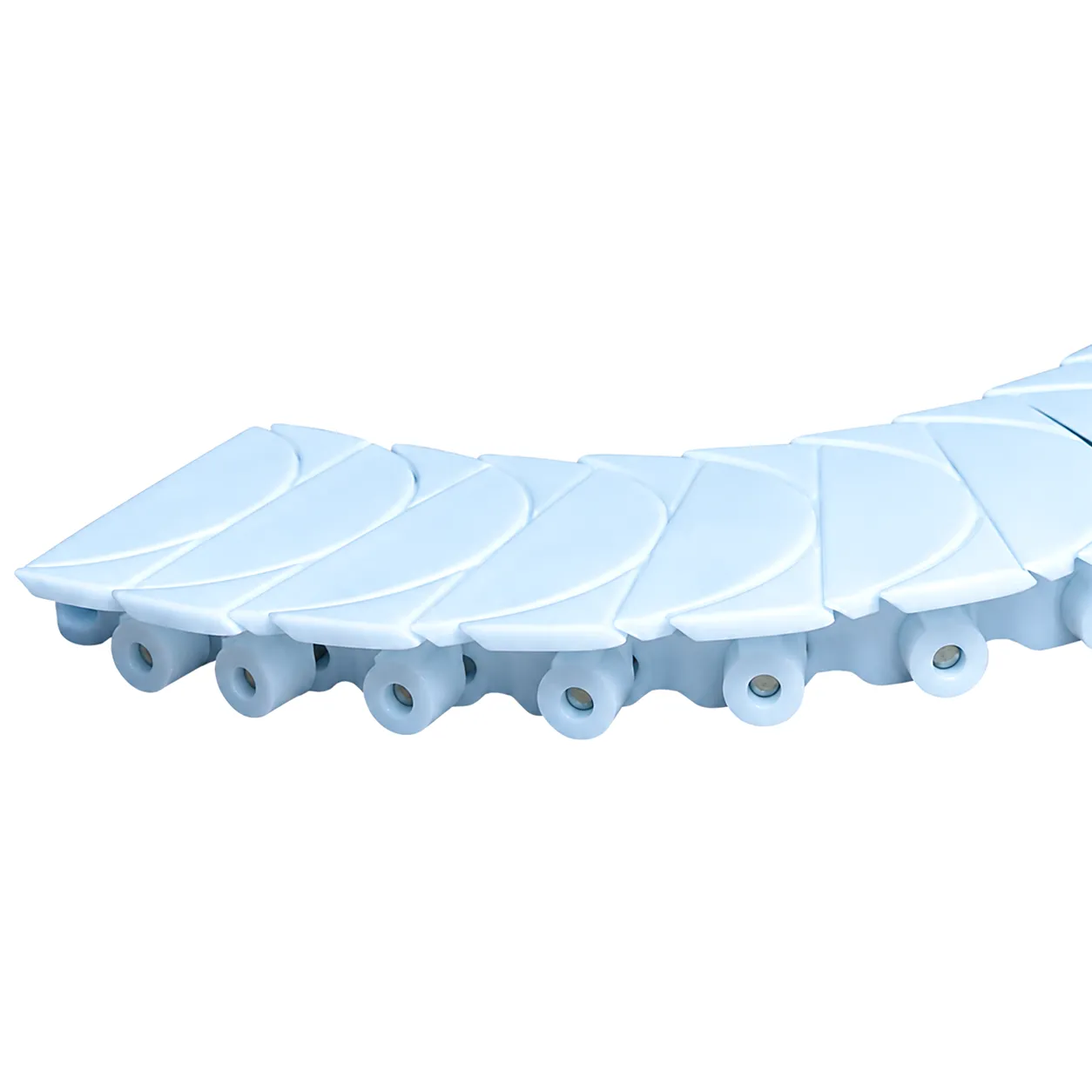 Walk through any major UK fulfilment centre today — whether it is a Next-day parcel hub on the outskirts of Leeds, a chilled goods 3PL in Coventry, or a returns processing centre near Milton Keynes — and you will almost certainly find plastic modular conveyor belt technology running somewhere at the heart of the operation. Unlike traditional rubber or PVC belts, a plastic modular belt is assembled from individual interlocking modules, typically manufactured in polypropylene (PP), polyethylene (PE), or acetal (POM), giving operators the freedom to replace a single damaged section rather than scrapping an entire belt run. This modular architecture translates directly into reduced unplanned downtime — a critical advantage when a UK 3PL is processing tens of thousands of parcels per shift during peak trading periods such as Black Friday or the pre-Christmas surge.
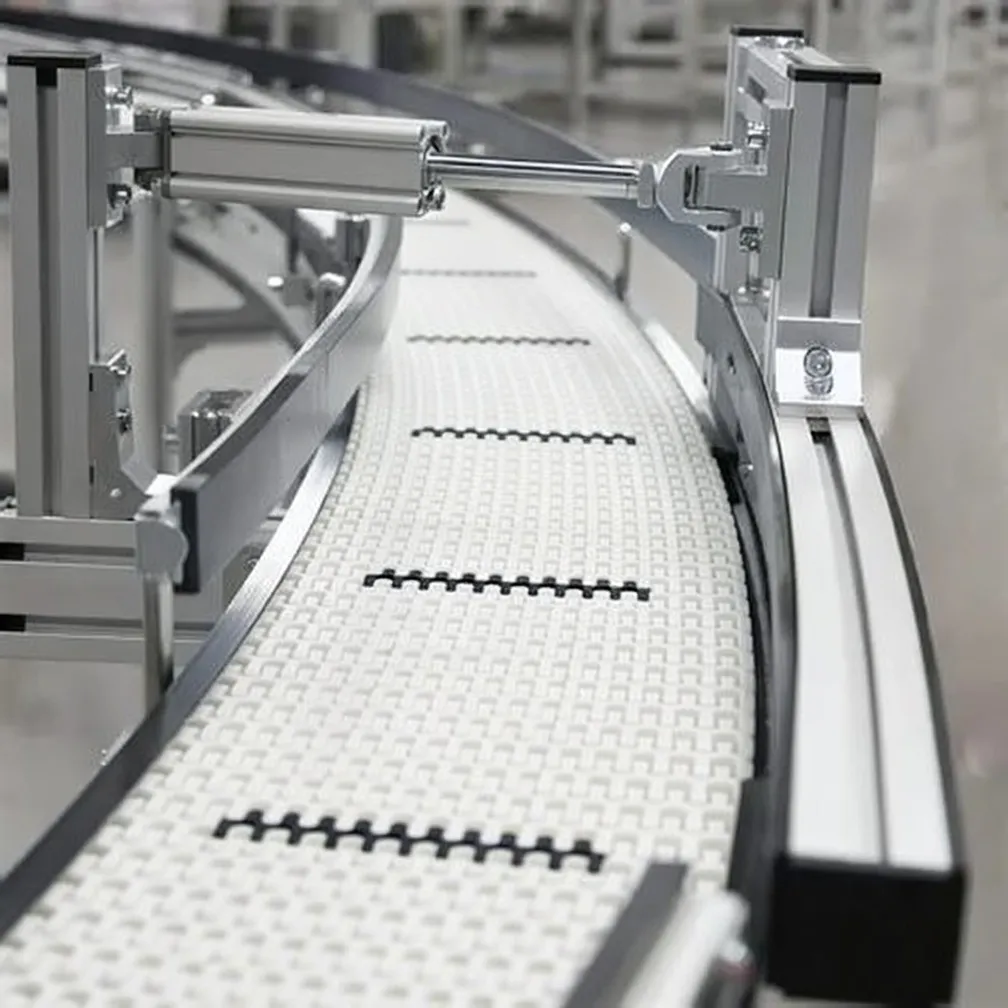
The structural geometry of a plastic modular belt also enables engineers to design conveyor systems that handle curves, inclines, lateral transfers, and merge points with a precision that flat belts simply cannot match. In modern parcel sortation, where items range from a slim envelope to an oversized polybag, the ability to fine-tune open-area ratio, surface friction, and hinge-pin material across the same belt platform is the difference between a system that operates at designed throughput and one that creates jams, mis-sorts, and costly engineer call-outs. This guide explores the full technical picture — from material science and working principles to real-world UK deployment scenarios — so that procurement managers, plant engineers, and logistics directors can make confident, specification-driven decisions when sourcing plastic modular belt solutions for their facilities.
How a Plastic Modular Conveyor Belt Actually Works in a Parcel Sortation Environment
Working Principle · Drive Mechanics · Tension Management
Interlocking Module Drive
Each plastic modular belt module features precisely moulded hinge eyes along both leading and trailing edges. A stainless steel or plastic hinge pin threads through these eyes to link successive rows, creating a continuous, flexible surface. Drive sprockets — mounted on a head shaft — engage with the module underside drive pockets at calculated intervals, pulling the belt forward without applying the high tensile loads that rubber belts must sustain. Because drive force is distributed across multiple tooth engagement points, the peak load on any single hinge pin remains low, which is why plastic modular belts can run for millions of cycles without the elongation or fatigue cracking that degrades rubber alternatives. In a parcel sortation hub, this low-tension drive architecture also means the conveyor frame and support structure can be lighter, reducing both capital cost and floor loading — an important consideration when retrofitting conveyors into existing UK warehouse buildings with limited floor bearing capacity.
Returnway & Catenary Sag
On the return strand, plastic modular belts are supported by low-friction UHMW-PE wear strips or stainless steel returnway slides. The natural stiffness of the modular structure prevents the deep catenary sag common in rubber belts, which in turn reduces the energy required to drive the conveyor and eliminates the periodic re-tensioning that rubber conveyor maintenance schedules demand. In high-throughput 3PL environments — where belt drives can accumulate eighteen or more hours of daily runtime — the elimination of re-tensioning checks alone can save a maintenance engineer several hours of planned preventative maintenance per month. Combined with the visual simplicity of the modular structure (damaged modules are immediately identifiable by colour deviation, cracking, or distortion), fault diagnosis is far faster, keeping unplanned downtime windows to a minimum during critical shipping periods.
Speed, Pitch & Product Control
Belt pitch — the centre-to-centre distance between hinge pins — is a primary engineering variable in parcel sortation conveyor design. Standard pitches of 25.4 mm, 38.1 mm, and 50.8 mm allow systems designers to balance belt flexibility, sprocket geometry, and minimum product size. A narrower pitch supports smaller, lighter items and produces a smoother belt surface, while a wider pitch improves drainage and airflow for wet or chilled goods applications. In a UK 3PL environment handling returns from major retailers, where product dimensions vary enormously — from a paperback book to a boxed small appliance — the ability to specify pitch during the belt procurement process means the plastic modular belt becomes a custom engineering solution rather than a commodity purchase. Ever Power supplies belts across all standard and non-standard pitches with documented dimensional tolerances, supporting accurate sprocket matching and predictable belt life calculation.
Core Materials Used in Plastic Modular Belt Manufacturing: A Technical Breakdown
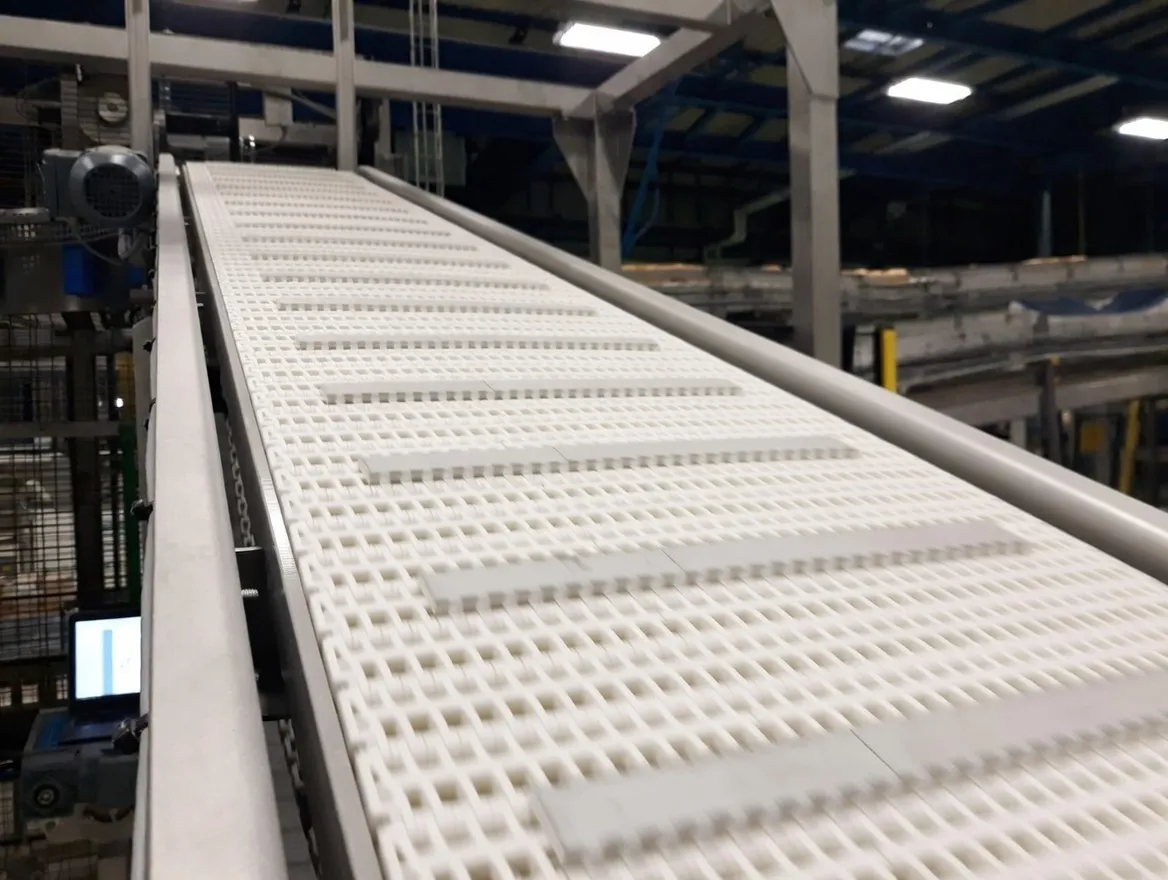
Polymer Selection · Hinge Pin Material · Surface Texture Engineering
Πολυπροπυλένιο (PP)
The workhorse material for general-purpose logistics conveyors. PP offers excellent chemical resistance, a working temperature range of approximately −10°C to +100°C, and very low moisture absorption. In ambient warehouse environments — the kind found in large parcel hubs serving Birmingham’s retail distribution sector — PP flat-top modules deliver consistent surface friction across a wide range of parcel weights. The material’s natural translucency also allows supervisors to visually check for contamination or debris accumulation inside the belt structure during production walkarounds, without stopping the conveyor.
Polyethylene (PE)
High-density PE grades bring exceptional impact resistance and a lower coefficient of friction than PP, making them the preferred choice for high-speed sortation lines where product presentation must remain consistent even at belt speeds exceeding 1.5 m/s. PE modules also perform well in cold-chain applications down to −40°C without becoming brittle — a material characteristic that matters significantly in the refrigerated 3PL facilities serving supermarket supply chains across Yorkshire and the East Midlands. The slightly softer surface of PE compared to acetal also reduces the risk of surface marking on premium packaged goods, an increasingly important specification requirement for luxury e-commerce fulfilment clients.
Acetal / POM (Polyoxymethylene)
Acetal is the premium engineering polymer for high-load, high-precision conveyor applications. Its exceptional dimensional stability, extremely low friction coefficient, and superior wear resistance make POM-based plastic modular belts the standard specification for automated sortation crossbelts, tilt-tray systems, and high-frequency reversing applications. In Sheffield’s advanced manufacturing and precision engineering sector, where conveyor systems must handle both delicate components and dense packaged goods on the same line, POM modules maintain consistent geometry across millions of cycles, ensuring sortation divert timing remains accurate without recalibration. Ever Power POM modules are available with FDA-compliant formulations for operators handling cross-docked food goods.
Hinge Pin & Accessory Materials
The hinge pin is the critical wear interface in a plastic modular belt system. Ever Power supplies hinge pins in stainless steel 304 and 316 grades (for corrosive or washdown environments), glass-fibre-reinforced nylon (for metal-detection-critical lines), and solid PP (for food-grade and cost-sensitive applications). Side guards, flights, cleats, and friction-top surfaces can be co-moulded or mechanically attached during module manufacture, allowing a single belt platform to serve multiple functional requirements across a mixed-use 3PL facility without the cost of procuring and stocking separate belt types for each conveyor zone.
Key Technical Advantages of Plastic Modular Belts Over Conventional Conveyor Solutions
Engineering Performance · Operational Economics · Maintenance Efficiency
Section-Level Repairability
When a rubber belt sustains a cut, a tear, or a splice failure, the entire belt must typically be replaced, often requiring a crane, specialist tools, and a full conveyor shutdown lasting several hours. With a plastic modular belt, a single damaged row of modules can be unhinged, removed, and replaced with a spare row in under fifteen minutes using hand tools. For a UK 3PL operating a 24/5 or 24/7 despatch schedule, this targeted repairability means a belt fault becomes a five-minute maintenance event rather than a several-hour production stoppage that triggers SLA penalties and customer escalations.
Hygienic Design for Washdown
The open-hinge architecture and smooth module surfaces of a plastic modular belt permit high-pressure water jet cleaning, chemical sanitisation, and steam disinfection without degrading belt integrity. This attribute is critical in UK 3PL facilities that handle cross-docked ambient food, chilled goods, or pharmaceutical products alongside standard parcel streams. UK Food Standards Agency guidelines and BRC Global Standard requirements demand demonstrable hygienic conveyor design in these environments. Plastic modular belt solutions — particularly those manufactured from FDA-compliant PP or POM — satisfy these compliance requirements without the porous surface risks associated with fabric-carcass rubber belts.
Custom Geometry: Curves, Inclines & Transfers
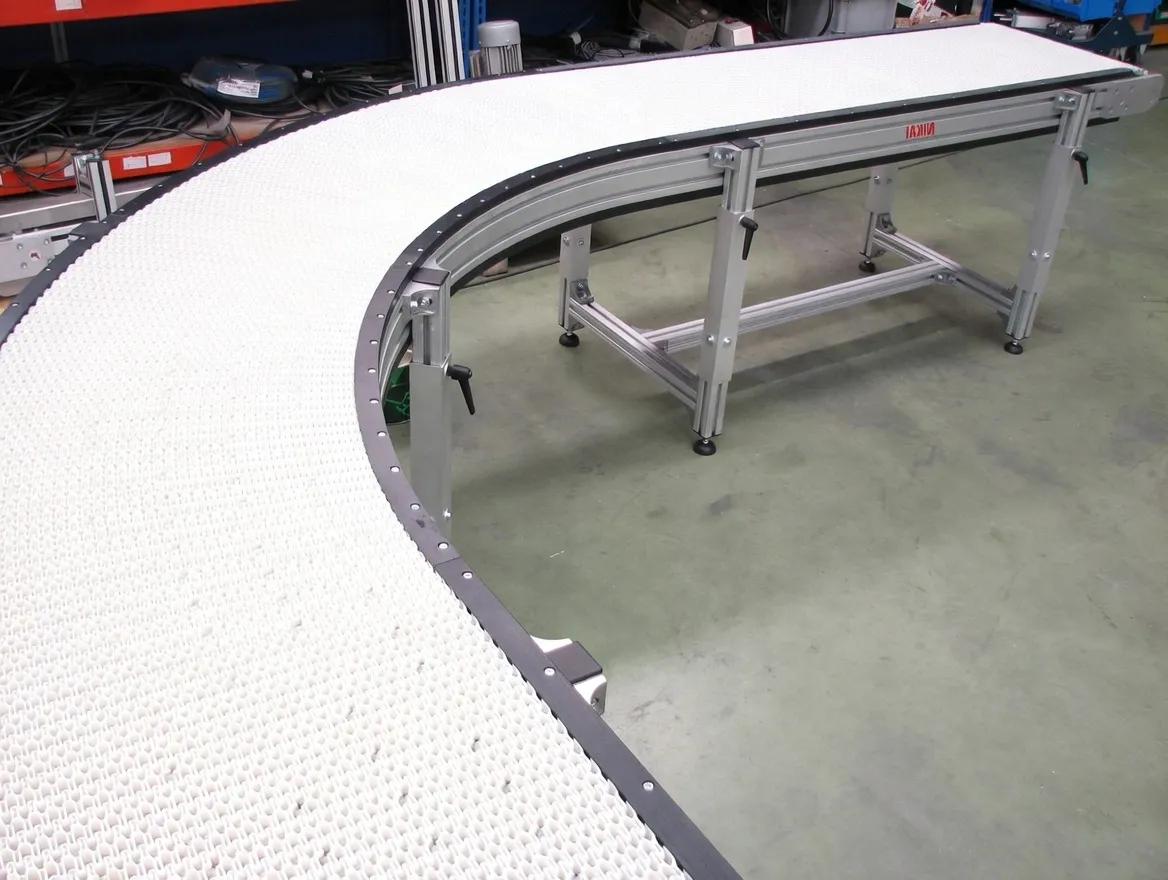
Plastic modular belt systems can be configured for side-flexing curves, steep incline conveying (with cleats or friction-top surfaces), right-angle transfers, and parallel merging — all within the same module platform. This configurability reduces the number of belt types a 3PL facility must stock as spare parts, and enables conveyor designers to route parcels around structural obstacles inside older warehousing buildings (common in the UK’s large estate of converted industrial premises) without reverting to costly custom conveyor mechanisms. Ever Power’s engineering team provides CAD-supported layout consultation for customers designing complex multi-zone sortation systems.
Electrical & ESD Performance
Standard PP and POM are excellent electrical insulators, but in electronics or pharmaceutical sortation environments where electrostatic discharge (ESD) must be controlled, Ever Power offers carbon-black-compounded anti-static plastic modular belt grades. These ESD-safe variants dissipate charge continuously, eliminating the intermittent static discharge events that can scramble barcode scan data on high-speed laser scanners or trigger unexpected divert actuator firings. ESD belt grades are increasingly specified by UK 3PLs handling consumer electronics fulfilment contracts, particularly those operating in compliance with IEC 61340 electrostatic control standards that many electronics brand owners now impose on their logistics partners.
Plastic Modular Belt: Product Technical and Performance Parameters
Specification Reference · Applicable to Ever Power Standard Series
| Παράμετρος | PP Grade | PE Grade | POM / Acetal Grade | ESD Anti-Static |
|---|---|---|---|---|
| Standard Module Pitch | 25.4 / 38.1 / 50.8 mm | 25,4 / 38,1 χιλιοστά | 25,4 / 50,8 χιλιοστά | 25,4 / 38,1 χιλιοστά |
| Εύρος πλάτους ιμάντα | 100 mm – 2,400 mm | 100 mm – 2,000 mm | 100 mm – 1,600 mm | 200 χιλ. – 1.200 χιλ. |
| Θερμοκρασία λειτουργίας. | −10°C to +100°C | −40°C to +80°C | −20°C to +120°C | −10°C to +90°C |
| Max. Belt Speed | 0.1 – 2.0 m/s | 0.1 – 2.5 m/s | 0.1 – 3.0 m/s | 0.1 – 2.0 m/s |
| Max. Distributed Load | 400 kg/m² | 350 kg/m² | 600 kg/m² | 350 kg/m² |
| Tensile Strength (per module row) | 2.8 – 4.2 kN | 2.5 – 3.8 kN | 5.5 – 8.0 kN | 2.6 – 3.5 kN |
| Open Area Ratio Options | 0% – 52% | 0% – 45% | 0% – 38% | 0% – 30% |
| Hinge Pin Material Options | PP / SS304 | PE / SS304 | SS304 / SS316 / GF-Nylon | GF-Nylon / SS316 |
| Surface Friction Coefficient | 0.30 – 0.55 | 0.25 – 0.45 | 0.15 – 0.35 | 0.28 – 0.48 |
| Colour Availability | White, Blue, Natural, Black | White, Black, Natural | White, Black, Natural | Black (carbon-filled) |
| FDA / EU 10/2011 Compliance | Available on request | Available on request | Standard offering | Not applicable |
| Surface Elevation Options | Flat-top, Friction-top, Grid, Flight | Flat-top, Friction-top | Flat-top, Grid, Side-flexing | Flat-top, Friction-top |
Industrial Application Scenarios: Where UK Logistics Operations Deploy Plastic Modular Belts
Parcel Sortation · 3PL Fulfilment · Cold Chain · Returns Processing · E-Commerce
📦 Parcel Carrier Induction & Sortation Hubs
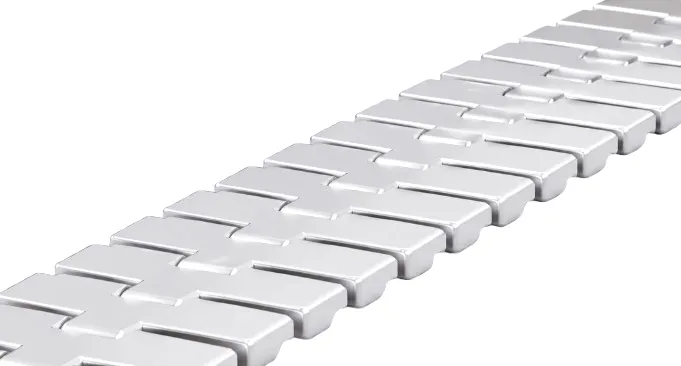
Major UK parcel carriers operating national sortation hubs — often located near motorway junctions in the Midlands or the North West — rely on plastic modular belt technology for induction belts, chute feeds, crossbelt carriers, and destination lane discharge conveyors. The ability to run at sustained speeds above 2.0 m/s on POM-grade belts, while maintaining accurate product positioning for barcode read tunnels and RFID gate passage, gives plastic modular belt solutions a decisive advantage over rubber belts in these high-throughput environments. The Heavy Duty Grid Straight Run Conveyor Belt from Ever Power is particularly suited to heavy-load induction and accumulation zones where parcels with irregular bases must be conveyed reliably without tipping or jamming.
🏨 E-Commerce Fulfilment & Multi-Channel Pick Operations
UK e-commerce fulfilment centres — many of which now operate hybrid models serving both direct-to-consumer and click-and-collect channels — use plastic modular belt conveyors extensively in pick-to-belt zones, pack station feeds, and dispatch consolidation lines. The modular belt’s ability to carry parcels of widely varying weight, from a 200-gram cosmetics item to a 15-kilogram bagged pet food order, on the same conveyor section without slip or mistracking is a key operational benefit. Friction-top PP modules with side guards, such as the Flat Top Straight Run Belt with Side Guards, prevent lightweight polybags from sliding during acceleration and deceleration, reducing the mis-sort rate and downstream operator interventions that add labour cost per parcel.
❄ Cold Chain & Chilled Goods 3PL Operations
PE-grade plastic modular belts are the standard specification for chilled goods 3PL conveyor systems where operating temperatures sit between 0°C and +4°C for ambient cold, and between −18°C and −25°C for frozen. In facilities across Yorkshire and the East Midlands serving major UK supermarket supply chains, these belts handle everything from loose-fill produce trays to individual consumer frozen meal packs. The inherent resistance of PE to condensation-induced slip, combined with the ease of high-pressure washdown cleaning mandated by UK food safety regulations, makes the plastic modular belt the technically correct selection for these demanding environments. Ever Power cold-chain belts are specified with stainless steel 316 hinge pins and HDPE wear-strip supports rated for sustained sub-zero operation.
♻ Returns Processing & Reverse Logistics
Returns processing is one of the most conveyor-intensive operations in a modern 3PL facility, and it presents unique challenges — the product stream is chaotic, items are frequently irregularly packaged or damaged, and throughput spikes sharply in January and following major promotional events. Plastic modular belt conveyors in returns inspection lines must handle abrasive, irregularly surfaced, or liquid-contaminated items without belt damage or product jams. The robust module-to-module connection of a plastic modular belt, combined with easily cleaned open-grid or flat-top surface options, makes it an ideal returns induction and triage conveyor platform. UK 3PL providers in Manchester, Leeds, and Bristol report measurable reductions in belt-related jam events after switching returns lines from rubber to plastic modular belt specification.
Ever Power: Precision Manufacturing & Custom Plastic Modular Belt Solutions for UK Industrial Buyers
Factory Capability · Custom Engineering · Supply Chain Assurance
🏭
State-of-the-Art Injection Moulding
Ever Power’s manufacturing facility operates over eighty precision injection moulding machines with clamping forces from 80 to 3,200 tonnes, enabling the production of plastic modular belt modules across all pitch and width combinations with dimensional tolerances held to ±0.05 mm. Multi-cavity tooling ensures production volumes capable of serving UK fulfilment centre rollout projects requiring thousands of square metres of belt delivered within compressed timescales. In-process quality checks using coordinate measuring machines (CMM) and automated optical inspection ensure that every module batch meets documented dimensional acceptance criteria before despatch.
🔧
End-to-End Customisation Service
Ever Power’s customisation capability extends from polymer compound selection and colour specification through to the design and manufacture of bespoke flight profiles, specialised friction-top coatings, integrated side guards, and custom hinge-pin materials. UK 3PL and fulfilment centre clients working with Ever Power typically engage the customisation engineering service to optimise surface friction for their specific product mix, specify module colours that integrate with existing facility colour-coding systems, or request non-standard module widths that match their installed conveyor frame dimensions without costly frame modification. The entire customisation workflow — from technical brief to pre-production sample approval — is documented and traceable.
🚛
Supply Chain & Delivery to UK Sites
Ever Power maintains strategic buffer inventory for standard PP and POM flat-top module series, enabling airfreight emergency supply to UK clients within 72 hours for critical maintenance situations. Standard sea freight orders to UK ports (Felixstowe, Southampton, Tilbury) are fulfilled with a typical lead time of 18 to 25 days, with full container load and less-than-container-load options depending on order volume. All shipments include a material certification pack — test certificates, dimensional inspection reports, and where applicable, FDA or EU 10/2011 compliance declarations — to support UK buyers’ incoming quality inspection and supplier audit processes.
Ready to Specify Plastic Modular Belt for Your UK Fulfilment or 3PL Project?
Send your conveyor layout drawings, product weight range, belt speed requirements, and operating environment details — our engineering team will respond with a full technical recommendation within one working day.
Customer Success Story: Modernising Parcel Sortation at a Leeds-Based 3PL Provider
West Yorkshire · Third-Party Logistics · Multi-Client Fulfilment Centre
Φόντο
 A regional 3PL provider operating a 48,000-square-metre multi-client fulfilment centre on the outskirts of Leeds had been running a mixed conveyor estate — some rubber flat belts, some interlaced wire mesh, and a small number of older plastic modular belt sections installed during an initial facility fitout. The centre managed outbound parcel volumes for seven retail and e-commerce brand clients, with peak daily throughput exceeding 85,000 units during the pre-Christmas trading period. The operations engineering team identified three persistent problem zones: a gravity-fed returns induction line where rubber belt splice failures were causing weekly shutdowns, a high-speed outbound sortation merge where parcel mistracking was generating daily scanner re-read events, and a chilled goods crossover section where condensation on the rubber belt surface was causing product slippage and contamination risk.
Solution Deployed
After a competitive tender process, the 3PL’s procurement and engineering team selected Ever Power as the plastic modular belt supplier for a phased three-zone conversion. Zone one — the returns induction line — was converted to Ever Power PP flat-top modular belt with side guards across a 42-metre run, with blue modules specified to integrate with the facility’s colour-zoning system. Zone two — the sortation merge — was upgraded to Ever Power POM flat-top 25.4 mm pitch modular belt, selected for its dimensional consistency at sustained speeds of 1.8 m/s and its low friction coefficient, which maintained precise product gap control at the merge point. Zone three — the chilled crossover — was converted to Ever Power HDPE open-grid modular belt with 316 stainless steel hinge pins, providing the drainage and washdown performance required under the facility’s food handling protocol.
Outcomes Achieved
Belt splice failures in the 12 months following conversion
Reduction in scanner re-read events at the sortation merge
Annual maintenance cost saving across three converted zones
Delivery of full belt requirement from Ever Power’s production facility
What UK Clients Say About Ever Power Plastic Modular Belt
★★★★★
“The POM-grade belt on our sortation merge has been running for eleven months without a single tracked belt-related fault. The dimensional consistency between module batches is noticeably better than what we experienced with our previous supplier — sprocket engagement is smooth across the full belt width, and we have not had to adjust the drive chain tension once since commissioning.”
Operations Engineering Manager
Multi-client 3PL Fulfilment Centre, Leeds, West Yorkshire
★★★★★
“We specified HDPE open-grid modules with 316 stainless hinge pins for our chilled goods crossover line, and Ever Power came back with a material certification pack that satisfied our BRC audit requirements on first submission. The belt has performed through an entire year of daily washdown cycles with no hinge pin corrosion or module surface degradation. Genuinely impressive for the price point.”
Technical Procurement Lead
Chilled Goods 3PL Provider, Wakefield, West Yorkshire
★★★★★
“What set Ever Power apart during our procurement process was the customisation flexibility. We needed a non-standard 850 mm belt width in blue PP to match our colour coding without requiring a frame rebuild. Ever Power confirmed tooling availability and shipped samples within ten days. The finished belt fitted perfectly first time, and our maintenance team found module replacement during a trial run straightforward — no specialist tools, no training course required.”
Ανώτερος Μηχανικός Συστημάτων Μεταφορικών Ταινιών
E-Commerce Returns Processing Centre, Manchester, Greater Manchester
Frequently Asked Questions: Plastic Modular Belt for UK Logistics & 3PL Operations
Voice Search-Friendly · Conversational · Specification & Procurement Guidance
What is the typical cost of a plastic modular belt per square metre for a UK parcel sortation conveyor line, and how does it compare to rubber belt pricing?
PP-grade plastic modular belt typically sits in the range of £18 to £45 per square metre depending on module pitch, width, and open-area configuration. POM-grade variants command a premium, typically £55 to £110 per square metre, reflecting the higher material cost and tighter manufacturing tolerances. While this represents a higher unit price than comparable rubber belt, the total cost of ownership picture changes significantly when replacement frequency, re-tensioning maintenance hours, and unplanned downtime costs are included — most UK operators see the plastic modular belt pay back its price premium within 18 to 36 months of installation. Contact Ever Power at [email protected] for a detailed quote based on your specific conveyor dimensions and specification requirements.
Which plastic modular belt material should I specify for a chilled goods 3PL facility in the UK that operates between minus ten and plus four degrees Celsius?
For a chilled goods 3PL facility operating between −10°C and +4°C, HDPE (high-density polyethylene) or PP cold-grade modules are the standard specification. HDPE maintains its impact resistance and dimensional stability at these temperatures without becoming brittle, and its naturally smooth surface sheds water and condensation effectively — a practical advantage in environments where belt hygiene compliance is audited under BRC or BRCGS standards. Ever Power’s cold-chain series is available with 316 stainless steel hinge pins for washdown environments. If the facility also operates a frozen zone below −18°C, specify HDPE throughout for a consistent spare-parts inventory across both temperature zones.
How long does it take to get a custom-width plastic modular belt delivered to a fulfilment centre in Birmingham from a Chinese manufacturer like Ever Power?
For custom-width plastic modular belt orders where the required width falls outside Ever Power’s standard production range, the typical process runs as follows: tooling confirmation takes two to four working days, pre-production sample manufacture and approval takes seven to ten days, and production of the full order quantity takes a further ten to eighteen days depending on volume. Sea freight to UK ports (Felixstowe or Southampton) adds 22 to 28 days. For urgent requirements in Birmingham or elsewhere in the Midlands, Ever Power can offer airfreight on confirmed orders, reducing total delivery time from order placement to UK site receipt to approximately 21 to 28 days including production.
Where can I find a reliable plastic modular belt supplier in the UK or from a manufacturer who can provide full material certifications and FDA-compliant grades for a food logistics application?
UK buyers sourcing plastic modular belt with material certifications typically work through either a UK-based distributor (with higher stock availability but limited customisation) or directly with a manufacturer such as Ever Power, which ships directly to UK buyers with a complete documentation pack including dimensional inspection reports, polymer compliance certificates, and FDA or EU 10/2011 declarations for applicable grades. Purchasing directly from Ever Power provides access to the full customisation service — non-standard widths, bespoke colours, co-moulded accessories — at significantly lower cost than a distributor-supplied equivalent. The trade-off is lead time on standard sea freight; UK buyers are advised to maintain a minimum two-row safety stock of spare modules at their facility for routine maintenance needs.
How do I calculate the right belt pitch and module width for a parcel sortation conveyor system handling mixed-size packages in a Sheffield distribution centre?
Belt pitch selection for a parcel sortation system should be driven by your smallest product dimension (the product must be supported across at least two hinge-pin rows at all times), your target belt speed (narrower pitches support higher speeds with smoother surface presentation), and the sprocket geometry of your installed conveyor frame. For a mixed-product stream common in Sheffield’s distribution and manufacturing sector — ranging from small polybags to medium cartons — a 38.1 mm pitch flat-top PP module is a practical general-purpose choice. Belt width should be at least 1.3 times the maximum expected product width. Ever Power’s engineering team will calculate the optimal pitch and width combination for your specific application at no charge — send your product range specifications to [email protected].
When should a UK 3PL operator consider upgrading from a standard rubber conveyor belt to a plastic modular belt system, and what are the key performance triggers?
The decision to convert from rubber to plastic modular belt is typically triggered by one or more of the following operational signals: recurring splice failures causing unplanned shutdowns more than once per month; a requirement to introduce daily or weekly conveyor washdown for hygiene compliance; expansion into food, pharmaceutical, or high-value goods handling that demands material certification; a system redesign that introduces curved sections or steep inclines where rubber belts perform poorly; or a maintenance cost review that identifies rubber belt replacement and re-tensioning as a disproportionate share of total conveyor maintenance spend. Any UK 3PL operator experiencing two or more of these signals simultaneously should treat a plastic modular belt conversion as a priority capital project rather than a routine maintenance decision.
Ever Power — Plastic Modular Belt Specialists
Manufacturing precision conveyor belt solutions for global logistics, 3PL, and industrial automation.