
Περιγραφή προϊόντος
Auto Part car Nylon/Metal/Plastic Rivet/Nuts/Bolts/Screws/Clips/Retainer/Fasteners
We have more than 3000 kinds auto clips.
Different typies ,colors and packing can be customized.
We have stock, ready-made molds, can be shipped quickly.
If you have interested in our priducts,we can offer free sample.
Περιγραφή προϊόντος
Χαρακτηριστικά:
- Be made of Environmental friendly plastic which is high quality and durable for using.
- This bumper rivets fasteners set are made of plastic,won’t rust or rot. can use for a long time.
- It is very easy to use, it is push type, rivet heads pressure expand to its legs, easy to install quickly.
- They are be used for trim panel clips, door trim clips, door panel clips, bumper clips, Fender clips,
- engine cover and splash shield retainers replacement.
- These clips are suitable for firmly holding anything within a fit diameter hole.
| Product name | Nylon Plastic Push Snap Rivets/Clips/Fasters |
| Colour | Προσαρμοσμένη |
| Υλικό | POM,PP,Plastic,Nylon |
| Birthplace | Chinese Mainland |
| Warranty | 1 year |
| Port | HangZhou,ZheJiang ,HangZhou,HangZhou |
| MOQ | 1000 |
| Payment | TT, Western Union, Ali-pay, Credit Card, Bank transfer, Cash |
| Packing | packaging can according to the customers’ requirements can packed in plastic bags or in the plastic boxes |
More Types wait your inquiry !
Let’s talk more !
Διαδικασία εγκατάστασης
Packaging
Προφίλ Εταιρείας
1.CZPT is 1 of the leading exporter in China, specializing in the field of auto parts since 2002.
2.We are a professional factory located in China with the most efficient exporting process.
We can supply Nylon/Metal/Plastic/Rivet/Nuts/Bolts/Screws/Clips/Retainer/Fasteners
3.We have strong relationships with our clients in most of around the world, North America, Europe, South America, South Asia, Middle East and Africa!
4.The products we provide can match with your different requirements.
Choose us, CZPT never let you down ! !
Our Services & Strength
1. More than 3000 typies of auto clips, 20 sets of different tool kit and 3D accessories strip
2. All of our products are in high quality.
3. 100% test before delivery , 100% responssible for quality issue aftersale.
4. MOQ 1000 pcs, accept small order.
We don’t just sell goods, we sell partnership. We provide customers with good service, get the trust of customers with a good reputation.
No matter your order is large or small, we are CZPT to provide you with the utmost services and 100% responsible for quality aftersale.
Wholeheartedly to offer each of our customers the best products, looking forward to servicing your needs.
Συχνές ερωτήσεις
Q1. What is your terms of packing?
A: Generally, we pack our goods in neutral white boxes and brown cartons.
Q2. What is your terms of payment?
A: T/T 30% as deposit, and 70% before delivery.
We’ll show you the photos of the products and packages before you pay the balance.
Western Union/Credit Card
Q3. What is your terms of delivery?
A: EXW, FOB, CFR, CIF.
Q4. How about your delivery time?
A: Generally, it will take 7-10 days.
The specific delivery time depends on the items and the quantity of your order.
Q5. Can you produce according to the samples?
A: Yes, we can produce by your samples or technical drawings. We can build the molds and fixtures.
Q6. What is your sample policy?
A: We can supply the sample if we have ready parts in stock.
But the customers have to pay the sample cost and the courier cost.
Q7. Do you test all your goods before delivery?
A: Yes, we have 100% test before delivery
Q8: How do you make our business long-term and good relationship?
A:1. We keep good quality and competitive price to ensure our customers benefit ;
2. We respect every customer as our friend and we sincerely do business and make friends with them,
no matter where they come from.
/* 10 Μαρτίου 2571 17:59:20 */!function(){function s(e,r){var a,o={};try{e&&e.split(“,”).forEach(function(e,t){e&&(a=e.match(/(.*1?):(./*)
| Τύπος: | Auto Fastener & Clip |
|---|---|
| Products Name: | Auto Fastener Clip Auto Accessories |
| Εφαρμογή: | All Car |
| Samples: | US$ 0.1/Piece 1 Piece(Min.Order) | Order Sample |
|---|
| Προσαρμογή: | Διαθέσιμος | Προσαρμοσμένο Αίτημα |
|---|
.shipping-cost-tm .tm-status-off{background: none;padding:0;color: #1470cc}
| Shipping Cost: Estimated freight per unit. | about shipping cost and estimated delivery time. |
|---|
| Payment Method: |
|
|---|---|
| Initial Payment Full Payment |
| Currency: | US$ |
|---|
| Return&refunds: | You can apply for a refund up to 30 days after receipt of the products. |
|---|
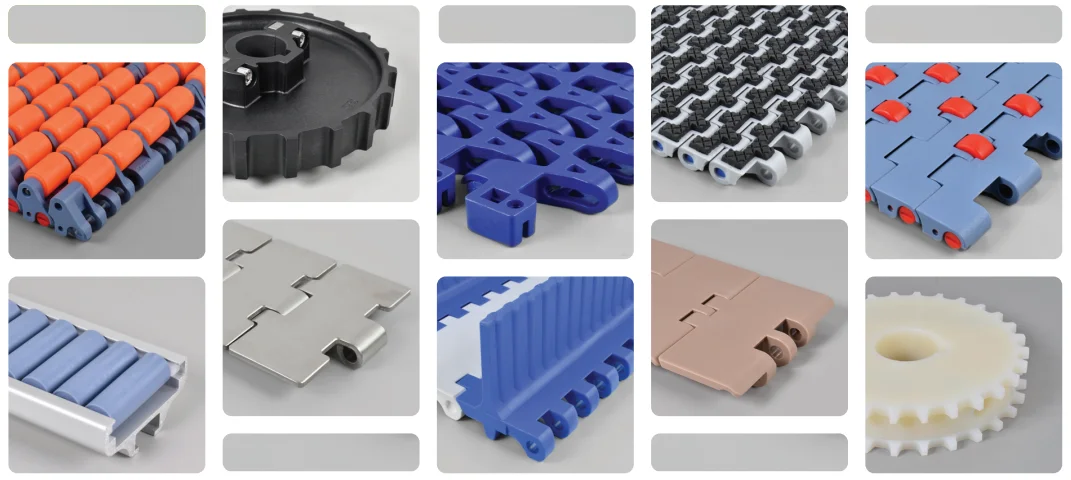
Μπορείτε να εξηγήσετε την επίδραση της θερμοκρασίας και της έκθεσης σε χημικές ουσίες στην απόδοση της πλαστικής ταινίας;
Η επίδραση της θερμοκρασίας και της έκθεσης σε χημικές ουσίες στην απόδοση της πλαστικής ταινίας είναι σημαντική. Ακολουθεί μια λεπτομερής εξήγηση:
- Θερμοκρασία:
Η θερμοκρασία μπορεί να έχει άμεσες και μακροπρόθεσμες επιπτώσεις στην απόδοση των πλαστικών ιμάντων. Οι ακραίες θερμοκρασίες μπορούν να προκαλέσουν φυσικές αλλαγές στις πλαστικές ταινίες που επηρεάζουν τη δομική τους ακεραιότητα και τη λειτουργικότητά τους. Ακολουθούν οι επιπτώσεις της θερμοκρασίας:
- Υψηλές θερμοκρασίες:
Η έκθεση σε υψηλές θερμοκρασίες μπορεί να προκαλέσει μαλάκυνση ή παραμόρφωση των πλαστικών ιμάντων. Αυτή η μαλάκυνση μπορεί να οδηγήσει σε επιμήκυνση του ιμάντα, απώλεια τάσης και μειωμένη ικανότητα μεταφοράς φορτίου. Σε ακραίες περιπτώσεις, ο ιμάντας μπορεί να μην ευθυγραμμιστεί σωστά ή ακόμα και να λιώσει, με αποτέλεσμα λειτουργικές διαταραχές και πιθανές ζημιές στο σύστημα μεταφοράς. Είναι σημαντικό να επιλέγετε πλαστικούς ιμάντες που μπορούν να αντέξουν τις υψηλές θερμοκρασίες της εφαρμογής, για να διασφαλίσετε αξιόπιστη απόδοση και να αποτρέψετε πρόωρη βλάβη.
- Χαμηλές θερμοκρασίες:
Οι χαμηλές θερμοκρασίες μπορούν να κάνουν τους πλαστικούς ιμάντες πιο εύθραυστους και ευάλωτους σε ρωγμές ή θραύση. Η μειωμένη ευκαμψία του υλικού του ιμάντα μπορεί να οδηγήσει σε αυξημένες συγκεντρώσεις τάσης, ειδικά σε περιοχές με αιχμηρές καμπύλες ή υψηλά φορτία κρούσης. Οι εύθραυστοι ιμάντες είναι πιο επιρρεπείς σε ζημιές κατά τη λειτουργία, γεγονός που μπορεί να οδηγήσει σε βλάβη του ιμάντα και σε διακοπή λειτουργίας του συστήματος. Η επιλογή πλαστικών ιμάντων ειδικά σχεδιασμένων για περιβάλλοντα χαμηλής θερμοκρασίας ή η εφαρμογή μέτρων μόνωσης μπορεί να βοηθήσει στον μετριασμό των αρνητικών επιπτώσεων των χαμηλών θερμοκρασιών στην απόδοση του ιμάντα.
- Έκθεση σε χημικές ουσίες:
Η έκθεση σε χημικές ουσίες μπορεί να επηρεάσει σημαντικά την απόδοση των πλαστικών ταινιών, ανάλογα με τον τύπο και τη συγκέντρωση των εμπλεκόμενων χημικών ουσιών. Οι πλαστικοί ταινίες μπορούν να υποστούν διάφορες μορφές χημικής υποβάθμισης, όπως:
- Χημική επίθεση:
Ορισμένες χημικές ουσίες μπορούν να αντιδράσουν με το πλαστικό υλικό, προκαλώντας τη διάσπαση ή την υποβάθμισή του. Αυτή η χημική προσβολή μπορεί να οδηγήσει σε απώλεια της αντοχής του υλικού, αυξημένη ευθραυστότητα ή αλλαγές στις φυσικές ιδιότητες του ιμάντα. Η σοβαρότητα της χημικής προσβολής εξαρτάται από τη συγκεκριμένη χημική σύνθεση του ιμάντα και τη φύση και τη συγκέντρωση των χημικών ουσιών με τις οποίες έρχεται σε επαφή. Είναι σημαντικό να επιλέγετε πλαστικούς ιμάντες με κατάλληλες ιδιότητες χημικής αντοχής με βάση το χημικό περιβάλλον της εφαρμογής.
- Οίδημα ή Διάλυση:
Ορισμένες χημικές ουσίες μπορούν να προκαλέσουν διόγκωση ή διάλυση των πλαστικών ιμάντων. Η διόγκωση συμβαίνει όταν η ζώνη απορροφά τη χημική ουσία, οδηγώντας σε αλλαγές διαστάσεων και πιθανή κακή ευθυγράμμιση της ζώνης. Η διάλυση συμβαίνει όταν η χημική ουσία διασπά το πλαστικό υλικό, με αποτέλεσμα την απώλεια της δομής και της αντοχής της ζώνης. Η διόγκωση και η διάλυση μπορούν να θέσουν σε κίνδυνο την ακεραιότητα της ζώνης και την ικανότητά της να λειτουργεί αποτελεσματικά. Η επιλογή πλαστικών ιμάντων με αντοχή στις συγκεκριμένες χημικές ουσίες που υπάρχουν στην εφαρμογή είναι απαραίτητη για την πρόληψη αυτών των προβλημάτων.
- Επιφανειακή ζημιά:
Η έκθεση σε χημικές ουσίες μπορεί επίσης να προκαλέσει επιφανειακή ζημιά στους πλαστικούς ιμάντες. Ορισμένες χημικές ουσίες μπορεί να προκαλέσουν λεκέδες, αποχρωματισμό ή τραχύτητα της επιφάνειας, κάτι που μπορεί να επηρεάσει την εμφάνιση του ιμάντα και ενδεχομένως τη λειτουργικότητά του. Επιπλέον, χημικές ουσίες με λειαντικές ιδιότητες μπορούν να προκαλέσουν φυσική φθορά στην επιφάνεια του ιμάντα, μειώνοντας τη διάρκεια ζωής του και αυξάνοντας τον κίνδυνο βλάβης του ιμάντα. Ο τακτικός έλεγχος και η άμεση αντικατάσταση των χημικά κατεστραμμένων ιμάντων είναι απαραίτητες για τη διατήρηση της βέλτιστης απόδοσης και την πρόληψη πιθανής μόλυνσης των μεταφερόμενων προϊόντων.
Συνοπτικά, η θερμοκρασία και η έκθεση σε χημικές ουσίες έχουν σημαντικές επιπτώσεις στην απόδοση του πλαστικού ιμάντα. Οι ακραίες θερμοκρασίες μπορούν να οδηγήσουν σε μαλάκυνση, παραμόρφωση ή ευθραυστότητα του υλικού του ιμάντα, επηρεάζοντας τη δομική του ακεραιότητα και την ικανότητα μεταφοράς φορτίου. Η έκθεση σε χημικές ουσίες μπορεί να προκαλέσει χημική προσβολή, διόγκωση, διάλυση ή επιφανειακή ζημιά, επηρεάζοντας την αντοχή, τη διαστατική σταθερότητα και τη συνολική λειτουργικότητα του ιμάντα. Η επιλογή πλαστικών ιμάντων σχεδιασμένων για το συγκεκριμένο εύρος θερμοκρασίας και το χημικό περιβάλλον της εφαρμογής, μαζί με την τακτική επιθεώρηση και συντήρηση, είναι ζωτικής σημασίας για τη διασφάλιση της αξιόπιστης και μακροχρόνιας απόδοσης των πλαστικών ιμάντων σε συστήματα μεταφορικών ταινιών.
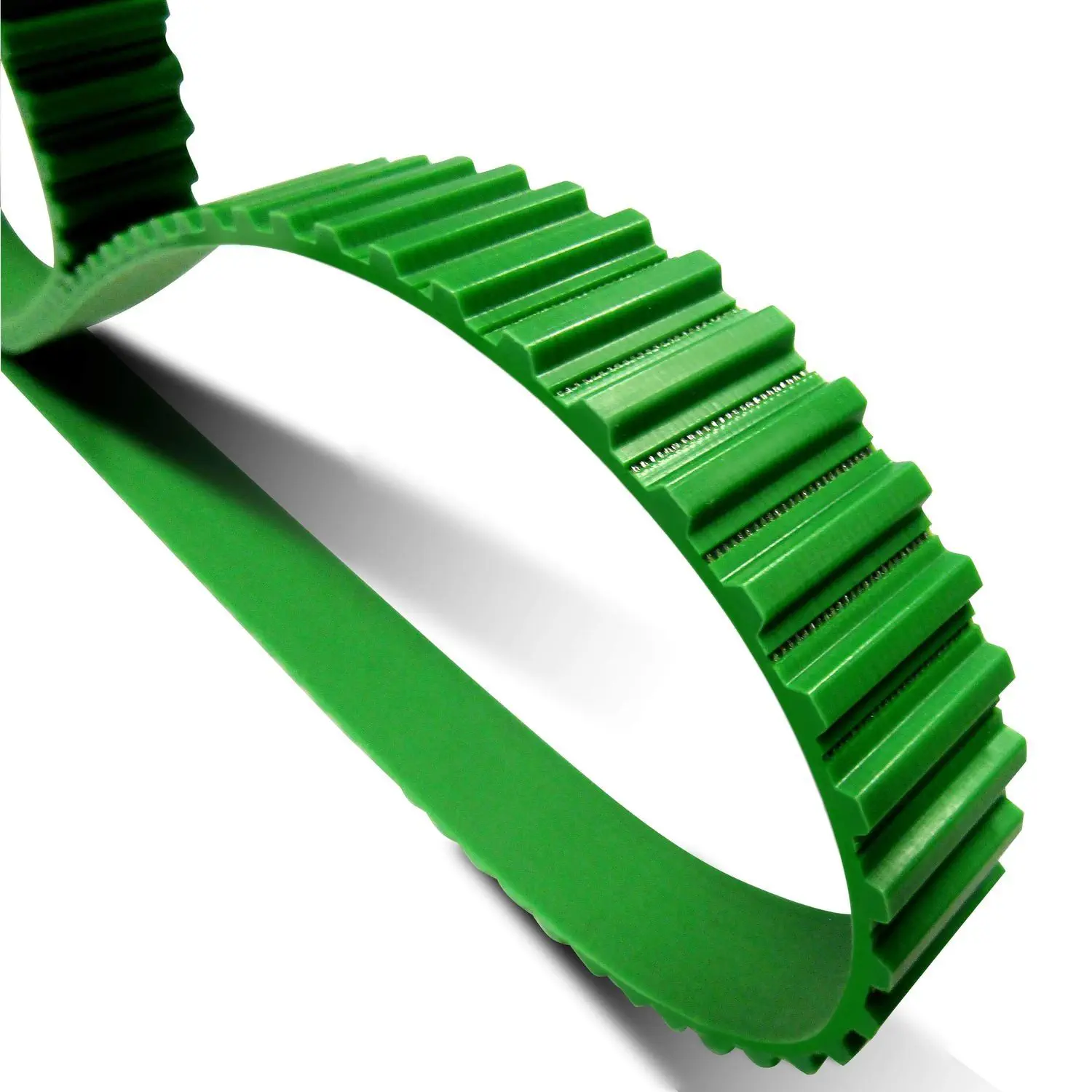
Μπορείτε να δώσετε παραδείγματα προϊόντων ή μηχανημάτων που χρησιμοποιούν πλαστικούς ιμάντες για σκοπούς μεταφοράς;
Πολλά προϊόντα και μηχανήματα σε διάφορες βιομηχανίες χρησιμοποιούν πλαστικούς ιμάντες για σκοπούς μεταφοράς. Ακολουθούν ορισμένα παραδείγματα:
- 1. Συστήματα Μεταφορικών Ταινιών:
Οι πλαστικοί ιμάντες χρησιμοποιούνται εκτενώς σε συστήματα μεταφορικών ταινιών σε διάφορους κλάδους. Αυτά τα συστήματα μπορούν να βρεθούν σε εγκαταστάσεις παραγωγής, αποθήκες, κέντρα διανομής, αεροδρόμια και άλλα. Τα συστήματα μεταφορικών ταινιών που είναι εξοπλισμένα με πλαστικούς ιμάντες χρησιμοποιούνται για τη μεταφορά μιας ευρείας γκάμας προϊόντων, συμπεριλαμβανομένων συσκευασμένων αγαθών, εξαρτημάτων αυτοκινήτων, ηλεκτρονικών ειδών, φαρμακευτικών προϊόντων, τροφίμων και ποτών.
- 2. Εξοπλισμός επεξεργασίας τροφίμων:
Στη βιομηχανία επεξεργασίας τροφίμων, διάφορος εξοπλισμός χρησιμοποιεί πλαστικούς ιμάντες για σκοπούς μεταφοράς. Παραδείγματα περιλαμβάνουν μηχανήματα διαλογής και ταξινόμησης τροφίμων, συστήματα πλύσης και καθαρισμού, φούρνους ψησίματος, σήραγγες ψύξης και κατάψυξης και γραμμές συσκευασίας. Οι πλαστικοί ιμάντες επιλέγονται για τις υγιεινές τους ιδιότητες, την ευκολία καθαρισμού και την ικανότητά τους να αντέχουν στις αυστηρές απαιτήσεις των περιβαλλόντων επεξεργασίας τροφίμων.
- 3. Μηχανήματα εμφιάλωσης και συσκευασίας:
Τα μηχανήματα εμφιάλωσης και συσκευασίας χρησιμοποιούν εκτενώς πλαστικούς ιμάντες για αποτελεσματικό χειρισμό και συσκευασία προϊόντων. Εξοπλισμός όπως μηχανές γεμίσματος, μηχανές πωματισμού, ετικετοποιητές, μηχανές χαρτοκιβωτίων και μηχανές συσκευασίας σε κιβώτια χρησιμοποιούν πλαστικούς ιμάντες για τη μεταφορά μπουκαλιών, δοχείων, κουτιών και άλλων υλικών συσκευασίας. Οι πλαστικοί ιμάντες επιτρέπουν την ομαλή και ακριβή μεταφορά, εξασφαλίζοντας ακριβή τοποθέτηση και υψηλής ταχύτητας λειτουργίες στις διαδικασίες εμφιάλωσης και συσκευασίας.
- 4. Αυτοματοποιημένα Συστήματα Χειρισμού Υλικών:
Τα αυτοματοποιημένα συστήματα χειρισμού υλικών, που χρησιμοποιούνται συνήθως σε βιομηχανίες όπως η αυτοκινητοβιομηχανία, η ηλεκτρονική και το ηλεκτρονικό εμπόριο, βασίζονται σε πλαστικούς ιμάντες για σκοπούς μεταφοράς και διαλογής. Αυτά τα συστήματα χρησιμοποιούν πλαστικούς ιμάντες για τη μεταφορά προϊόντων μεταξύ διαφορετικών σταδίων της γραμμής παραγωγής, την ταξινόμηση ειδών με βάση διάφορα κριτήρια και τη φόρτωση ή εκφόρτωση υλικών σε αποθήκες ή κέντρα διανομής. Οι πλαστικοί ιμάντες επιτρέπουν την αποτελεσματική και αξιόπιστη διαχείριση υλικών σε αυτά τα αυτοματοποιημένα συστήματα.
- 5. Εξοπλισμός εκτύπωσης και χειρισμού χαρτιού:
Τα τυπογραφικά πιεστήρια, ο εξοπλισμός βιβλιοδεσίας και οι μηχανές χειρισμού χαρτιού συχνά ενσωματώνουν πλαστικούς ιμάντες για την ομαλή κίνηση φύλλων χαρτιού, έντυπων υλικών ή εξαρτημάτων συσκευασίας. Οι πλαστικοί ιμάντες με αντιστατικές ιδιότητες χρησιμοποιούνται ιδιαίτερα σε αυτές τις εφαρμογές για την πρόληψη της συσσώρευσης στατικού ηλεκτρισμού και τη διασφάλιση της ασφαλούς χειρισμού ευαίσθητων υλικών.
- 6. Εξοπλισμός παραγωγής καθαρών χώρων και ηλεκτρονικών ειδών:
Τα περιβάλλοντα καθαρών χώρων και οι εγκαταστάσεις παραγωγής ηλεκτρονικών ειδών χρησιμοποιούν πλαστικούς ιμάντες για τη μεταφορά ευαίσθητων ηλεκτρονικών εξαρτημάτων, πλακετών κυκλωμάτων και ημιαγωγών. Οι πλαστικοί ιμάντες με χαμηλή παραγωγή σωματιδίων και εξαιρετική συμβατότητα με καθαρούς χώρους είναι ζωτικής σημασίας σε αυτές τις βιομηχανίες για τη διατήρηση αυστηρών προτύπων καθαριότητας και την πρόληψη μόλυνσης ή ζημιάς σε ευαίσθητες ηλεκτρονικές συσκευές.
Αυτά είναι μόνο μερικά παραδείγματα προϊόντων και μηχανημάτων που χρησιμοποιούν πλαστικούς ιμάντες για σκοπούς μεταφοράς. Οι πλαστικοί ιμάντες προσφέρουν ευελιξία, αξιοπιστία και επιλογές προσαρμογής, καθιστώντας τους κατάλληλους για ένα ευρύ φάσμα εφαρμογών σε διάφορους κλάδους.
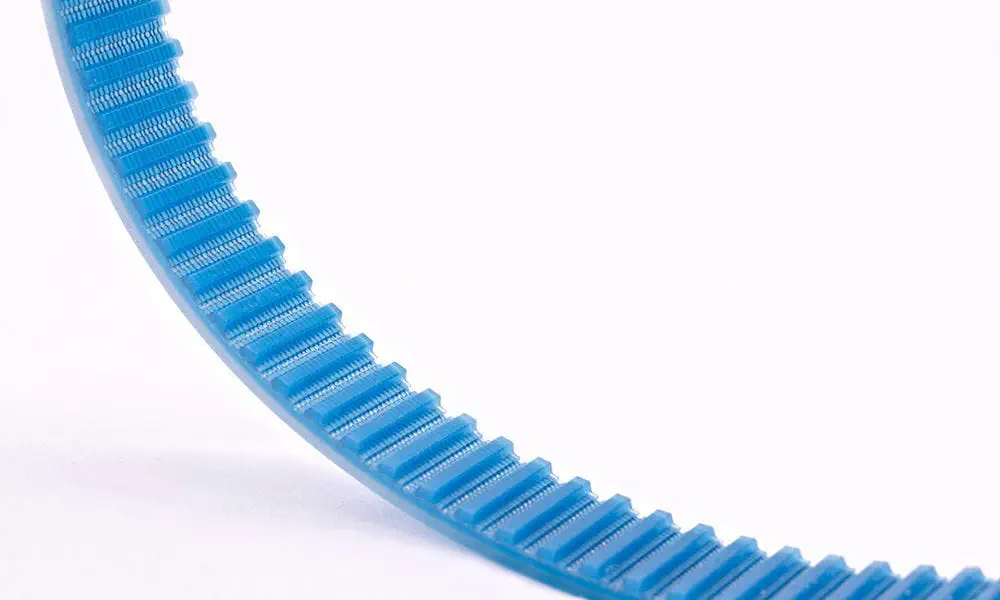
Υπάρχουν συγκεκριμένες εφαρμογές όπου οι πλαστικοί ιμάντες υπερτερούν σε απόδοση από άλλους τύπους μεταφορικών ιμάντων;
Ναι, υπάρχουν συγκεκριμένες εφαρμογές όπου οι πλαστικοί ιμάντες έχουν καλύτερες επιδόσεις από άλλους τύπους μεταφορικών ιμάντων. Ακολουθεί μια λεπτομερής εξήγηση:
- 1. Υγιεινά περιβάλλοντα:
Οι πλαστικοί ιμάντες είναι ιδιαίτερα κατάλληλοι για εφαρμογές σε υγιεινά περιβάλλοντα όπως η βιομηχανία τροφίμων και ποτών, η φαρμακευτική και η υγειονομική περίθαλψη. Προσφέρουν λείες, μη πορώδεις επιφάνειες που καθαρίζονται και απολυμαίνονται εύκολα, μειώνοντας τον κίνδυνο βακτηριακής ανάπτυξης και διασταυρούμενης μόλυνσης. Η αντοχή των πλαστικών ιμάντων στις χημικές ουσίες και την υγρασία τις καθιστά κατάλληλες για βιομηχανίες που απαιτούν τακτικό πλύσιμο και τήρηση αυστηρών προτύπων υγιεινής. Σε αυτές τις εφαρμογές, οι πλαστικοί ιμάντες ξεπερνούν άλλους τύπους ιμάντων, όπως οι υφασμάτινοι ή μεταλλικοί ιμάντες, οι οποίοι μπορεί να είναι πιο δύσκολοι στον καθαρισμό ή επιρρεπείς σε συσσώρευση βακτηρίων.
- 2. Συσσώρευση και εκτροπή προϊόντων:
Οι πλαστικοί ιμάντες, ειδικά οι αρθρωτοί πλαστικοί ιμάντες, υπερέχουν σε εφαρμογές που απαιτούν συσσώρευση και εκτροπή προϊόντων. Οι αλληλοσυνδεόμενες μονάδες στους αρθρωτούς πλαστικούς ιμάντες επιτρέπουν την ομαλή ροή και συσσώρευση προϊόντων χωρίς την ανάγκη πρόσθετων εξαρτημάτων ή πολύπλοκων συστημάτων ελέγχου. Αυτοί οι ιμάντες μπορούν επίσης να εκτρέπουν προϊόντα σε διαφορετικές λωρίδες ή μεταφορικούς ιμάντες χρησιμοποιώντας απλούς μηχανισμούς. Η ευελιξία και η προσαρμοστικότητα των πλαστικών ιμάντων τους καθιστούν εξαιρετική επιλογή για εφαρμογές όπου απαιτείται ακριβής έλεγχος και εκτροπή προϊόντων, όπως συστήματα διαλογής σε κέντρα διανομής ή γραμμές συναρμολόγησης με πολλαπλούς σταθμούς εργασίας.
- 3. Ήπιος χειρισμός προϊόντος:
Οι πλαστικοί ιμάντες, ιδιαίτερα αυτοί με αγκίστρια ή χαρακτηριστικά κενού αέρος, προτιμώνται όταν απαιτείται απαλός χειρισμός του προϊόντος. Τα αγκίστρια στους πλαστικούς ιμάντες βοηθούν στην αποφυγή ολίσθησης του προϊόντος και διασφαλίζουν σταθερή μεταφορά, καθιστώντας τους κατάλληλους για εφαρμογές σε κλίση ή κλίση ή για μεταφορά ευαίσθητων αντικειμένων. Οι πλαστικοί ιμάντες κενού αέρος χρησιμοποιούν την αναρρόφηση για να συγκρατούν ελαφριά ή εύθραυστα προϊόντα με ασφάλεια κατά τη μεταφορά, ελαχιστοποιώντας τη ζημιά στο προϊόν. Αυτοί οι ιμάντες υπερτερούν σε απόδοση από άλλους τύπους ιμάντων, όπως οι κυλινδρικοί ή αλυσιδωτοί μεταφορείς, οι οποίοι μπορεί να προκαλέσουν τριβή, κρούση ή τριβή στα μεταφερόμενα προϊόντα.
- 4. Μείωση θορύβου:
Οι πλαστικοί ιμάντες προσφέρουν πλεονεκτήματα μείωσης θορύβου σε σχέση με άλλους τύπους μεταφορικών ιμάντων. Οι ιδιότητες απόσβεσης των πλαστικών υλικών βοηθούν στην απορρόφηση των κραδασμών και στη μείωση του θορύβου που παράγεται κατά τη λειτουργία. Αυτό καθιστά τους πλαστικούς ιμάντες μια προτιμώμενη επιλογή σε εφαρμογές όπου τα επίπεδα θορύβου πρέπει να ελαχιστοποιηθούν, όπως περιβάλλοντα λιανικής πώλησης, γραφεία ή εγκαταστάσεις παραγωγής με αυστηρούς κανονισμούς θορύβου. Άλλοι τύποι ιμάντων, όπως οι μεταλλικοί ιμάντες ή οι υφασμάτινοι ιμάντες, ενδέχεται να παράγουν υψηλότερα επίπεδα θορύβου λόγω των ιδιοτήτων των υλικών τους ή του μηχανικού σχεδιασμού τους.
- 5. Διαβρωτικά ή υγρά περιβάλλοντα:
Οι πλαστικοί ιμάντες είναι ιδιαίτερα ανθεκτικοί σε χημικές ουσίες, έλαια και υγρασία, καθιστώντας τους κατάλληλους για εφαρμογές σε διαβρωτικά ή υγρά περιβάλλοντα. Σε βιομηχανίες όπως η χημική επεξεργασία, η επεξεργασία λυμάτων ή η εξόρυξη, όπου η έκθεση σε διαβρωτικές ουσίες ή νερό είναι συχνή, οι πλαστικοί ιμάντες προσφέρουν ανώτερη απόδοση και ανθεκτικότητα σε σύγκριση με τους ιμάντες που κατασκευάζονται από υλικά όπως μέταλλο ή ύφασμα. Η αντοχή των πλαστικών ιμάντων στη διάβρωση και στις ζημιές που σχετίζονται με την υγρασία εξασφαλίζει αξιόπιστη λειτουργία και παρατείνει τη διάρκεια ζωής του συστήματος μεταφοράς.
Συνοπτικά, οι πλαστικοί ιμάντες υπερτερούν σε απόδοση από άλλους τύπους μεταφορικών ιμάντων σε συγκεκριμένες εφαρμογές όπου η υγιεινή, η συσσώρευση και η εκτροπή προϊόντων, ο ήπιος χειρισμός, η μείωση του θορύβου και η αντοχή σε διαβρωτικά ή υγρά περιβάλλοντα είναι κρίσιμα. Η κατανόηση των μοναδικών πλεονεκτημάτων των πλαστικών ιμάντων σε αυτές τις εφαρμογές βοηθά τις βιομηχανίες να λαμβάνουν τεκμηριωμένες αποφάσεις κατά την επιλογή του καταλληλότερου μεταφορικού ιμάντα για τις ανάγκες χειρισμού υλικών τους.


editor by CX 2024-01-11