Product Description
Our Services
Product Design Material Selection
Mold Design Mold Making
Bulk Production Logo Printing
Surface Treatment Assembling
Packaging Door to Door Delivery
| Material | Nylon ,mc nylon, POM,ABS,PU,PP,PE,PTFE,UHMWPE,HDPE,LDPE, PVC,etc. |
| Color | Black, white, red, green, transparent or any color according to Pantone code |
| Size | As per customer’s requirements |
| Technology | Injection molding, CNC machining, Extrusion |
| Surface Treatment | Powder coating, Zinc coating, Galvanization, Electro-deposition coating, Chrome/zinc/nickel plating, Polishing, Silkscreen, Black oxide |
| Application | Automotive, ATV, Mechanical equipment, Construction, Home appliance, Aviation, Office facilities, Agriculture, etc. |
| Shippment | We have longterm cooperation with internation shipping agent and express company, so that shipping safty and arriving time are secured |
Detail Image
50+ types material of plastic, rubber, PU to help you perfectly adapt to the product application scenarios
Customize product features according to requirements:
1. Achieve medical-grade and food-grade products
2. Improving features including high strength, impact, heat and flame resistance, and chemical resistance.etc through various additives
3. Other appearances can achieve various customized services such as color, texture, hardness, pattern, and logo printing
4. Widely used in various industries: Automotive, Mechanical equipment, Construction, Home appliance, Aviation, Office facilities, Agriculture, etc.
Our products are widely used in various fields:
Γιατί να μας επιλέξετε
Our Machine
Product Range
Επικοινωνήστε μαζί μας /* March 10, 2571 17:59:20 */!function(){function s(e,r){var a,o={};try{e&&e.split(“,”).forEach(function(e,t){e&&(a=e.match(/(.*?):(.*)$/))&&1
| Certification: | CE, ISO |
|---|---|
| Pulley Sizes: | Type E |
| Manufacturing Process: | Forging |
| Samples: | US$ 999/Piece 1 Piece(Min.Order) | Order Sample For sample price, package information, and logisti |
|---|
| Customization: | Available | Customized Request |
|---|
.shipping-cost-tm .tm-status-off{background: none;padding:0;color: #1470cc}
| Shipping Cost: Estimated freight per unit. | about shipping cost and estimated delivery time. |
|---|
| Payment Method: |
|
|---|---|
| Initial Payment Full Payment |
| Currency: | US$ |
|---|
| Return&refunds: | You can apply for a refund up to 30 days after receipt of the products. |
|---|
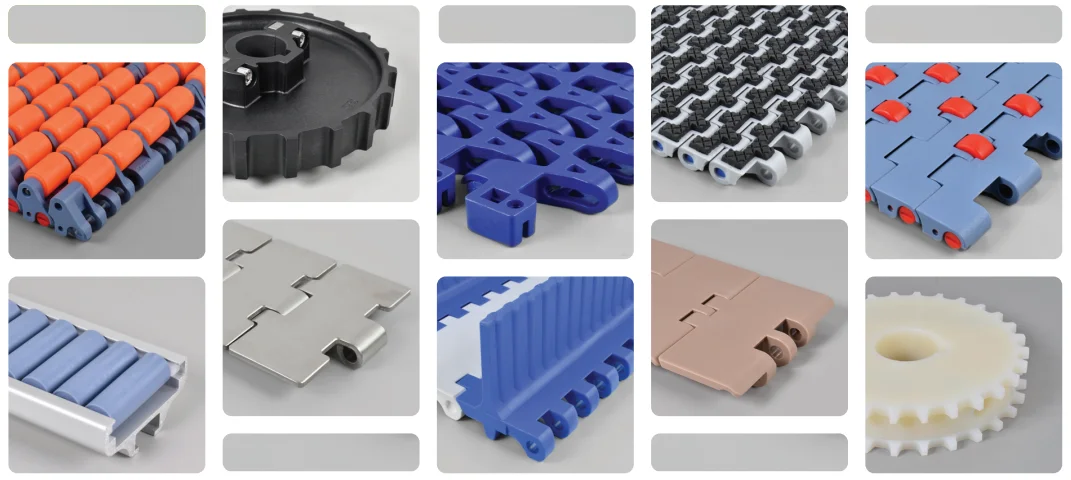
Can you provide insights into the future trends and developments in plastic belt technology for industrial conveyance?
Plastic belt technology for industrial conveyance is continuously evolving, driven by advancements in materials science, manufacturing processes, and industry demands. Here are some insights into the future trends and developments in plastic belt technology:
- 1. Enhanced Material Formulations:
Future developments in plastic belt technology will likely involve the development of advanced material formulations with improved properties. Manufacturers are investing in research and development to enhance the strength, durability, and wear resistance of plastic belts. These developments may include the use of new polymers, additives, and reinforcement materials to create belts that can withstand higher loads, temperatures, and abrasive environments.
- 2. Increased Customization:
Customization is becoming a significant trend in plastic belt technology. Conveyor systems are used in a wide range of industries with varying requirements, and customization allows for tailored solutions. In the future, plastic belt manufacturers may offer a wider range of customization options, such as belt width, surface patterns, and specialized coatings, to meet specific application needs. This trend will enable optimized performance, improved efficiency, and reduced maintenance for industrial conveyance systems.
- 3. Integration of Smart Technologies:
Smart technologies are increasingly being integrated into industrial systems, and plastic belt technology is no exception. In the future, plastic belts may incorporate sensors, data collection devices, and connectivity features to enable real-time monitoring and analysis of belt performance. This integration of smart technologies will allow for predictive maintenance, early fault detection, and optimization of conveyor system efficiency. The data collected from the belts can be used to optimize operations, reduce downtime, and improve overall productivity.
- 4. Focus on Sustainability:
Sustainability is a growing concern in the industrial sector, and future developments in plastic belt technology will likely reflect this trend. Manufacturers are exploring ways to reduce the environmental impact of plastic belts by incorporating recycled materials, adopting more sustainable manufacturing processes, and improving end-of-life management. Additionally, there may be an increased emphasis on designing belts that are lighter in weight, energy-efficient, and recyclable, thus further enhancing the sustainability profile of plastic belt technology.
- 5. Advancements in Joining and Splicing Techniques:
The joining and splicing of plastic belts are critical for creating a continuous and reliable conveyor system. Future developments may focus on advancements in joining and splicing techniques to improve the strength, flexibility, and longevity of belt connections. This can involve the development of new bonding agents, welding methods, or mechanical fastening systems that provide stronger and more durable belt joints. These advancements will contribute to the overall performance and reliability of plastic belt technology in industrial conveyance.
In summary, the future of plastic belt technology for industrial conveyance is expected to witness advancements in material formulations, increased customization options, integration of smart technologies, a focus on sustainability, and improvements in joining and splicing techniques. These developments will drive enhanced performance, efficiency, and sustainability of conveyor systems, meeting the evolving needs of industries across various sectors.
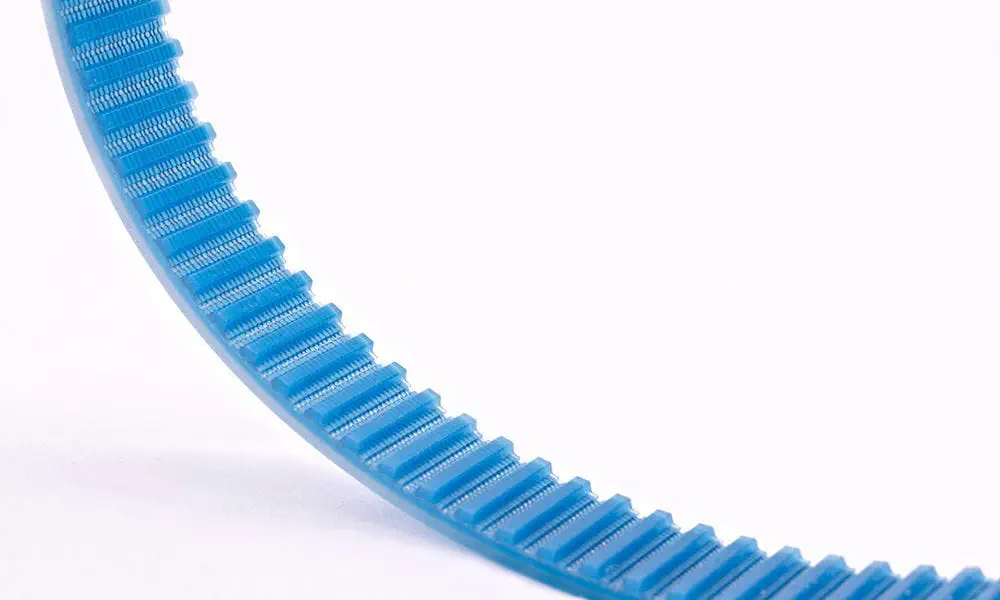
How do environmental factors affect the performance of plastic belts in outdoor applications?
Environmental factors can significantly impact the performance of plastic belts in outdoor applications. Here’s a detailed explanation:
- 1. Temperature:
The temperature in outdoor environments can vary widely, and extreme temperatures can affect the performance of plastic belts. High temperatures can cause plastic belts to soften, deform, or lose their structural integrity. On the other hand, low temperatures can make plastic belts brittle and more prone to cracking or breakage. It’s important to choose plastic belts that are specifically designed to withstand the temperature range of the outdoor application to ensure optimal performance and longevity.
- 2. UV Exposure:
Plastic belts exposed to direct sunlight in outdoor applications are susceptible to UV degradation. Prolonged exposure to UV radiation can cause the material to become brittle, fade in color, and weaken over time. UV-resistant plastic belts, typically made with additives or coatings that provide UV protection, are available to mitigate the effects of UV exposure. Using UV-resistant belts is crucial to maintain the performance and lifespan of plastic belts in outdoor environments.
- 3. Moisture and Humidity:
Outdoor environments often involve exposure to moisture and humidity, which can impact the performance of plastic belts. Excessive moisture can cause plastic belts to absorb water, leading to dimensional changes, reduced strength, and increased risk of mold or bacterial growth. High humidity can also affect the friction characteristics of the belts, potentially impacting their grip or slip resistance. Using moisture-resistant or waterproof plastic belts and implementing proper drainage and ventilation systems can help mitigate the effects of moisture and humidity.
- 4. Dust and Debris:
Outdoor applications are prone to the accumulation of dust, dirt, and debris. These particles can enter the conveyor system and become trapped between the plastic belt and other components, leading to increased friction, wear, and potential belt damage. Regular cleaning and maintenance practices, such as periodic belt cleaning or installing effective dust control measures, are essential to prevent the buildup of dust and debris and ensure the smooth operation of plastic belts in outdoor environments.
- 5. Mechanical Stress:
Outdoor applications may involve exposure to mechanical stressors such as heavy loads, impacts, or abrasive materials. Plastic belts should be selected based on their mechanical properties to withstand the specific demands of the outdoor environment. Reinforced or heavy-duty plastic belts with enhanced tensile strength and impact resistance may be necessary to ensure reliable performance and prevent premature failure.
- 6. Corrosive Substances:
In certain outdoor applications, plastic belts may come into contact with corrosive substances, such as chemicals or saltwater. Corrosive substances can degrade the plastic material, leading to reduced belt strength and potential failure. It’s important to choose plastic belts that are chemically resistant to the specific substances present in the outdoor environment to ensure long-term performance and minimize the risk of belt damage.
In summary, environmental factors such as temperature variations, UV exposure, moisture and humidity, dust and debris, mechanical stress, and corrosive substances can all impact the performance of plastic belts in outdoor applications. Selecting plastic belts specifically designed to withstand these environmental challenges, implementing proper maintenance practices, and considering additional protective measures can help ensure the longevity and reliable operation of plastic belts in outdoor settings.
Can you explain the advantages of using plastic belts over traditional materials in conveyor systems?
Using plastic belts in conveyor systems offers several advantages over traditional materials such as rubber or fabric. Plastic belts, also known as polymer belts or synthetic belts, are made from various types of plastic materials and provide unique characteristics that make them desirable for conveyor applications. Here’s a detailed explanation of the advantages of using plastic belts over traditional materials in conveyor systems:
- Durability and Longevity:
- Versatility and Customization:
- Hygienic and Easy to Clean:
- Low Friction and Energy Efficiency:
- Chemical Resistance:
- Lightweight and Easy Installation:
Plastic belts are known for their durability and longevity. They are resistant to wear, abrasion, and impact, allowing them to withstand harsh operating conditions. Unlike rubber or fabric belts, plastic belts do not easily degrade or stretch over time. They can handle heavy loads and maintain their shape and performance for extended periods, resulting in reduced maintenance and replacement costs for conveyor systems.
Plastic belts offer versatility and customization options for conveyor systems. They can be manufactured in various sizes, widths, and configurations to meet specific application requirements. Plastic belts can have different surface patterns, such as smooth, textured, or perforated, providing enhanced grip, airflow, or product release capabilities. Additionally, plastic belts can be designed with specialized features like high temperature resistance, chemical resistance, or anti-static properties, making them suitable for diverse industries and conveyor applications.
Plastic belts are highly hygienic and easy to clean, making them ideal for industries with strict cleanliness and sanitation standards. Unlike fabric belts, plastic belts do not absorb liquids or harbor bacteria, reducing the risk of contamination in food processing, pharmaceutical, or other clean environments. Plastic belts can be easily cleaned using water, steam, or cleaning agents, ensuring optimal hygiene and compliance with industry regulations.
Plastic belts offer low friction characteristics, resulting in energy-efficient conveyor systems. The reduced friction between the belt and the conveyor components minimizes power consumption, allowing for cost savings and environmental benefits. Additionally, the low friction properties of plastic belts contribute to smoother and quieter operation, reducing noise levels in the workplace.
Plastic belts exhibit excellent chemical resistance, making them suitable for conveyor systems that handle corrosive or aggressive substances. They can withstand exposure to various chemicals, oils, solvents, and cleaning agents without deteriorating or experiencing significant damage. Plastic belts’ chemical resistance ensures their longevity and reliability in industries such as chemical processing, pharmaceuticals, or wastewater treatment.
Plastic belts are lightweight compared to traditional materials, facilitating easy installation and maintenance of conveyor systems. The reduced weight of plastic belts reduces the strain on conveyor components, extending their lifespan. Additionally, the lightweight nature of plastic belts simplifies handling during installation or replacement, improving efficiency and reducing downtime.
In summary, using plastic belts in conveyor systems offers significant advantages over traditional materials. They provide durability, versatility, and customization options, ensuring long-lasting and efficient performance. Plastic belts are hygienic, easy to clean, and resistant to chemicals, making them suitable for industries with strict cleanliness requirements. They offer low friction and energy efficiency, contributing to cost savings and environmental benefits. Moreover, plastic belts are lightweight and easy to install, simplifying maintenance and reducing downtime. These advantages make plastic belts a preferred choice in various industries for their conveyor system needs.


editor by CX 2024-02-10