
Product Description
Our Services
Product Design Material Selection
Mold Design Mold Making
Bulk Production Logo Printing
Surface Treatment Assembling
Packaging Door to Door Delivery
| Material | Nylon ,mc nylon, POM,ABS,PU,PP,PE,PTFE,UHMWPE,HDPE,LDPE, PVC,etc. |
| Color | Black, white, red, green, transparent or any color according to Pantone code |
| Size | As per customer’s requirements |
| Technology | Injection molding, CNC machining, Extrusion |
| Surface Treatment | Powder coating, Zinc coating, Galvanization, Electro-deposition coating, Chrome/zinc/nickel plating, Polishing, Silkscreen, Black oxide |
| Application | Automotive, ATV, Mechanical equipment, Construction, Home appliance, Aviation, Office facilities, Agriculture, etc. |
| Shippment | We have longterm cooperation with internation shipping agent and express company, so that shipping safty and arriving time are secured |
Detail Image
Γιατί να μας επιλέξετε
Our Machine
Product Range
Επικοινωνήστε μαζί μας /* March 10, 2571 17:59:20 */!function(){function s(e,r){var a,o={};try{e&&e.split(“,”).forEach(function(e,t){e&&(a=e.match(/(.*?):(.*)$/))&&1
| Certification: | CE, ISO |
|---|---|
| Pulley Sizes: | Type E |
| Manufacturing Process: | Forging |
| Samples: | US$ 999/Piece 1 Piece(Min.Order) | Order Sample Custom packaging, consult us for sample price |
|---|
| Customization: | Available | Customized Request |
|---|
.shipping-cost-tm .tm-status-off{background: none;padding:0;color: #1470cc}
| Shipping Cost: Estimated freight per unit. | about shipping cost and estimated delivery time. |
|---|
| Payment Method: |
|
|---|---|
| Initial Payment Full Payment |
| Currency: | US$ |
|---|
| Return&refunds: | You can apply for a refund up to 30 days after receipt of the products. |
|---|
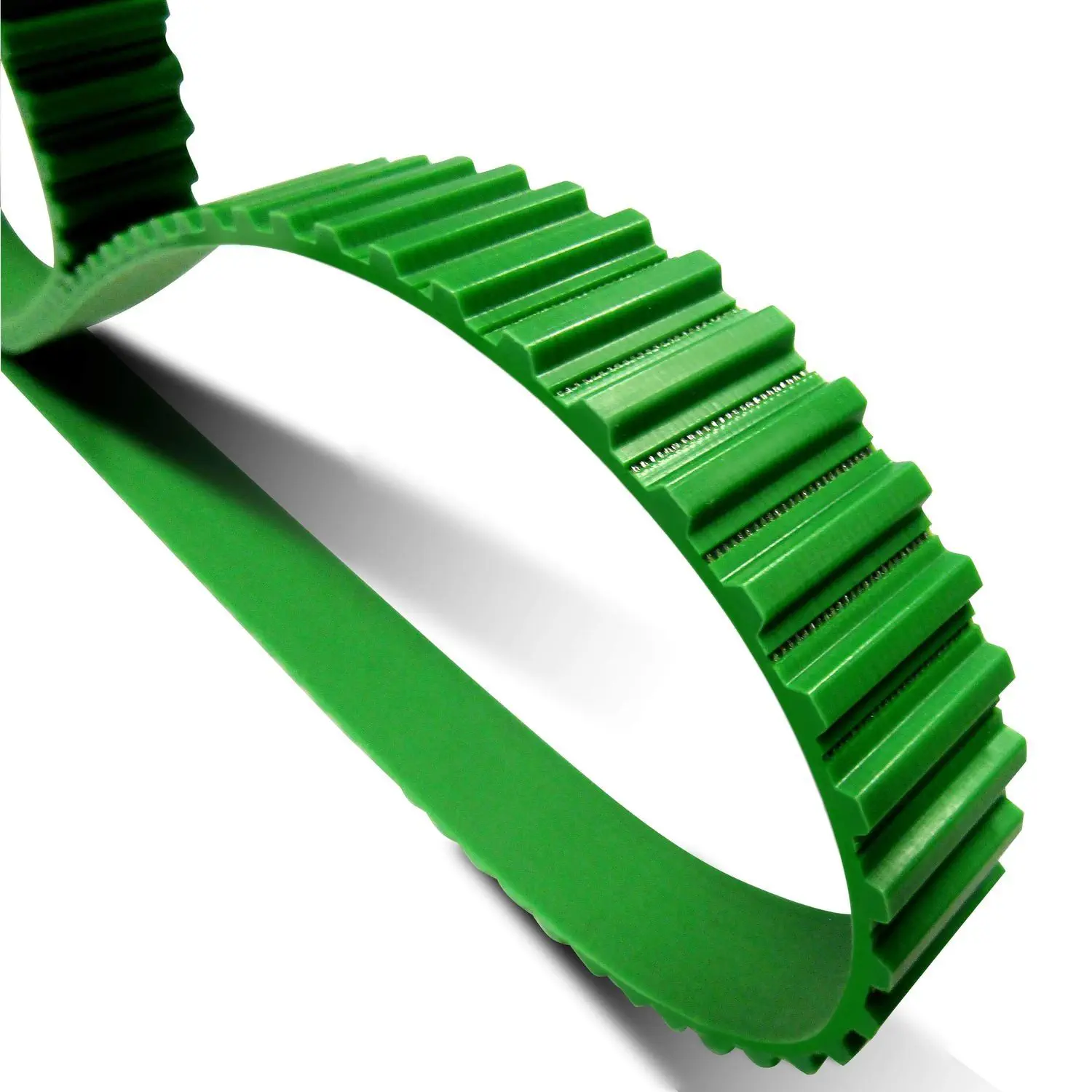
Are there sustainability aspects associated with the use of plastic belts in conveyor systems?
Plastic belts in conveyor systems can have both positive and negative sustainability aspects. Here’s a detailed explanation:
- Positive Sustainability Aspects:
Plastic belts offer several sustainability benefits when used in conveyor systems:
- 1. Energy Efficiency:
Plastic belts contribute to energy efficiency in conveyor systems. Their low coefficient of friction and lightweight construction require less power to drive the belts, resulting in reduced energy consumption. By minimizing energy requirements, plastic belts help conserve energy resources and reduce greenhouse gas emissions associated with energy generation.
- 2. Reduced Material Waste:
Plastic belts are typically designed for long-lasting performance and durability. They can withstand wear, abrasion, and exposure to various environments, resulting in extended service life. This longevity reduces the need for frequent belt replacements, minimizing material waste and reducing the environmental impact of manufacturing new belts.
- 3. Recyclability:
Many plastic belts used in conveyor systems are recyclable. At the end of their life cycle, these belts can be collected, processed, and recycled into new plastic products. Recycling plastic belts helps divert waste from landfills and reduces the demand for virgin materials, contributing to a more circular and sustainable economy.
- 4. Lightweight Design:
Plastic belts are lightweight compared to other belt materials like steel or rubber. This lightweight design reduces the overall weight of the conveyor system and the energy required to move the belts and conveyed materials. It also allows for easier installation and maintenance, reducing the need for heavy machinery and associated energy consumption.
- Negative Sustainability Aspects:
While plastic belts offer sustainability benefits, there are also negative aspects to consider:
- 1. Environmental Impact of Plastic:
Plastic belts are made from petroleum-based materials, and their production contributes to the extraction of fossil fuels and the emission of greenhouse gases. Additionally, if plastic belts are not properly managed at the end of their life cycle, they can end up in landfills or as litter, posing environmental challenges. To mitigate these negative aspects, it is crucial to promote responsible waste management practices, including recycling or proper disposal of plastic belts.
- 2. Chemical and Resource Intensity:
The manufacturing process of plastic belts can involve the use of chemicals and resources, including energy and water. The extraction and processing of these resources can have environmental impacts, such as pollution and resource depletion. To address this, manufacturers can adopt more sustainable production practices, including the use of eco-friendly materials, energy-efficient manufacturing processes, and responsible water management.
- 3. End-of-Life Management:
The disposal of plastic belts at the end of their life cycle can pose challenges if proper recycling infrastructure is lacking. If not recycled, the belts may end up in landfills, contributing to waste accumulation. To overcome this, it is important to establish and promote recycling programs for plastic belts, ensure accessibility to recycling facilities, and encourage the development of innovative recycling technologies.
In summary, the use of plastic belts in conveyor systems has sustainability aspects. Plastic belts offer energy efficiency, reduced material waste, recyclability, and lightweight design. However, the environmental impact of plastic, chemical and resource intensity in production, and proper end-of-life management should be considered to mitigate the negative aspects associated with plastic belt use. By adopting sustainable practices throughout the lifecycle of plastic belts, such as recycling and responsible manufacturing, the overall sustainability of conveyor systems can be improved.
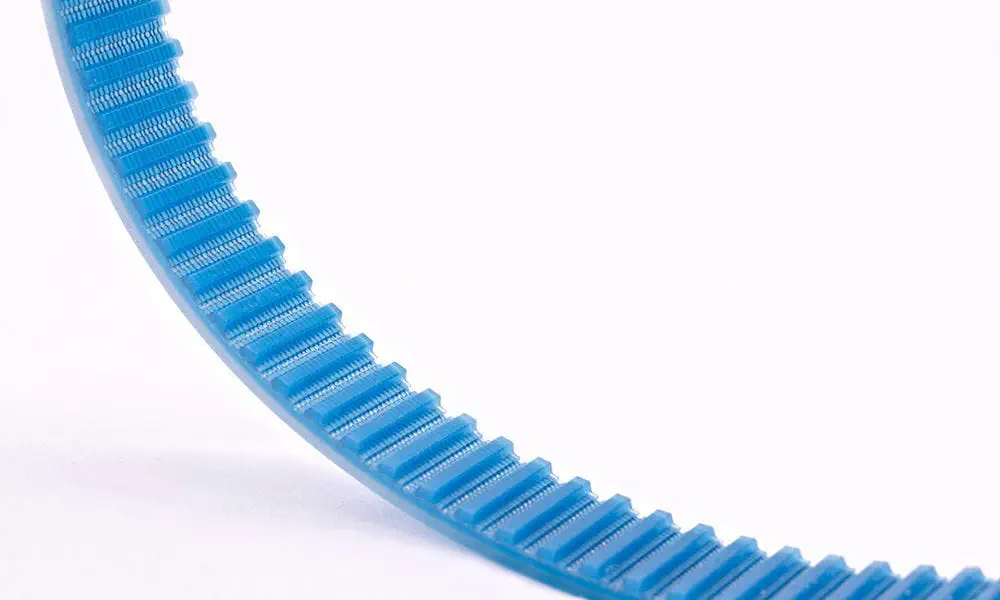
How do environmental factors affect the performance of plastic belts in outdoor applications?
Environmental factors can significantly impact the performance of plastic belts in outdoor applications. Here’s a detailed explanation:
- 1. Temperature:
The temperature in outdoor environments can vary widely, and extreme temperatures can affect the performance of plastic belts. High temperatures can cause plastic belts to soften, deform, or lose their structural integrity. On the other hand, low temperatures can make plastic belts brittle and more prone to cracking or breakage. It’s important to choose plastic belts that are specifically designed to withstand the temperature range of the outdoor application to ensure optimal performance and longevity.
- 2. UV Exposure:
Plastic belts exposed to direct sunlight in outdoor applications are susceptible to UV degradation. Prolonged exposure to UV radiation can cause the material to become brittle, fade in color, and weaken over time. UV-resistant plastic belts, typically made with additives or coatings that provide UV protection, are available to mitigate the effects of UV exposure. Using UV-resistant belts is crucial to maintain the performance and lifespan of plastic belts in outdoor environments.
- 3. Moisture and Humidity:
Outdoor environments often involve exposure to moisture and humidity, which can impact the performance of plastic belts. Excessive moisture can cause plastic belts to absorb water, leading to dimensional changes, reduced strength, and increased risk of mold or bacterial growth. High humidity can also affect the friction characteristics of the belts, potentially impacting their grip or slip resistance. Using moisture-resistant or waterproof plastic belts and implementing proper drainage and ventilation systems can help mitigate the effects of moisture and humidity.
- 4. Dust and Debris:
Outdoor applications are prone to the accumulation of dust, dirt, and debris. These particles can enter the conveyor system and become trapped between the plastic belt and other components, leading to increased friction, wear, and potential belt damage. Regular cleaning and maintenance practices, such as periodic belt cleaning or installing effective dust control measures, are essential to prevent the buildup of dust and debris and ensure the smooth operation of plastic belts in outdoor environments.
- 5. Mechanical Stress:
Outdoor applications may involve exposure to mechanical stressors such as heavy loads, impacts, or abrasive materials. Plastic belts should be selected based on their mechanical properties to withstand the specific demands of the outdoor environment. Reinforced or heavy-duty plastic belts with enhanced tensile strength and impact resistance may be necessary to ensure reliable performance and prevent premature failure.
- 6. Corrosive Substances:
In certain outdoor applications, plastic belts may come into contact with corrosive substances, such as chemicals or saltwater. Corrosive substances can degrade the plastic material, leading to reduced belt strength and potential failure. It’s important to choose plastic belts that are chemically resistant to the specific substances present in the outdoor environment to ensure long-term performance and minimize the risk of belt damage.
In summary, environmental factors such as temperature variations, UV exposure, moisture and humidity, dust and debris, mechanical stress, and corrosive substances can all impact the performance of plastic belts in outdoor applications. Selecting plastic belts specifically designed to withstand these environmental challenges, implementing proper maintenance practices, and considering additional protective measures can help ensure the longevity and reliable operation of plastic belts in outdoor settings.
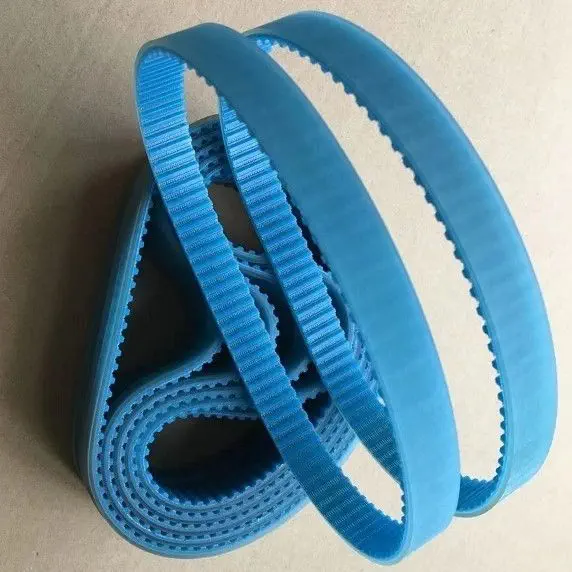
Can you describe the different types of plastic belts available in the market today?
There are several different types of plastic belts available in the market today, each designed to meet specific application requirements. Here’s an overview of some commonly used types:
- 1. Modular Plastic Belts:
Modular plastic belts consist of interlocking plastic modules or links that form a continuous belt. These belts offer flexibility, allowing them to navigate around corners, bends, and other obstacles smoothly. They are commonly used in applications that require accumulation, incline/decline conveying, or small product transfer. Modular plastic belts are available in various configurations, such as flat-top, flush-grid, and raised-rib designs, to accommodate different product types and handling requirements.
- 2. Solid Plastic Belts:
Solid plastic belts are made from a single piece of plastic material without interlocking modules. They offer a smooth and continuous surface, making them suitable for applications that require stable and consistent product conveying. Solid plastic belts are often used in industries such as food processing, where hygiene, easy cleaning, and resistance to contamination are crucial.
- 3. Cleated Plastic Belts:
Cleated plastic belts feature integrally molded cleats or projections on their surface. These cleats help to prevent product slippage and facilitate the inclined or vertical movement of bulk materials or packages. Cleated plastic belts are commonly used in applications such as incline or decline conveying, sorting, and elevating products in industries like agriculture, recycling, and manufacturing.
- 4. Wire Mesh Plastic Belts:
Wire mesh plastic belts consist of a plastic mesh overlaying metal or plastic rods. These belts offer an open and breathable surface, allowing for easy drainage, airflow, and visual inspection of conveyed products. They are often used in applications where heat, steam, or liquids need to pass through the belt, such as baking ovens, washing processes, or drying operations in the food industry.
- 5. Vacuum Plastic Belts:
Vacuum plastic belts are designed with a perforated or porous surface that allows the application of vacuum pressure to hold and stabilize lightweight or delicate products during conveying. These belts are commonly used in industries such as electronics, printing, and packaging, where precise positioning and gentle handling of products are required.
- 6. Anti-Static Plastic Belts:
Anti-static plastic belts are specifically designed to dissipate static electricity and prevent the buildup of electrostatic charges. They are used in applications where static discharge could damage sensitive electronic components or create safety hazards. Anti-static plastic belts are commonly employed in electronics manufacturing, semiconductor production, and cleanroom environments.
These are just a few examples of the different types of plastic belts available in the market today. The choice of plastic belt depends on factors such as the application requirements, load capacity, product characteristics, environmental conditions, and industry-specific regulations. Manufacturers often offer a range of customization options to tailor the belt design, material, and features to meet the specific needs of their customers.


editor by CX 2024-02-09