
Product Description
1. More than10 years manufacture in packing machine
2. 10 years alibaba supplier
3. 100% QC inspection before shipment
4. 12 months warranty
5. Product Certificated by CE
Introduction:
ARLM-160A Automatic Labeling Machine can meet the needs of semi circle labeling, bottle labeling switching between simple, convenient adjustment;
Wide application range: self-adhesive labels, adhesive film, electronic monitoring code, bar code etc..
Application Industry: widely used in food, medicine, cosmetics, daily chemical, electronics, hardware, plastics and other industries.
Application example: PET round bottle labeling, plastic bottle labeling, canned food, etc.
Features:
1. Labeling quality, using standard of spring cover belt, labeling smooth, no wrinkles, improve packaging quality.
2. Flexible application, bottle stand vertical labeling, with automatic sub bottle function, can be stand-alone production, can also be connected to the production line.
3. Intelligent control, automatic photoelectric tracking, with no matter no labeling, no standard automatic calibration and label automatic detection function, prevent leakage and label waste.
4. Simple adjustment, labeling speed, conveying speed, bottle speed can be achieved stepless speed regulation, according to the need to adjust.
5. Durable, using 3 bar adjustment mechanism, make full use of triangular stability, solid durable machine. Made of stainless steel and advanced aluminum alloy, accord with CE Production requirements.
Customized Functions:
1. Can add coding,printing
2. The conveyor can be replaced with a chain plate
3. The width,length,hight can be customize
4. The custom function is applicable to all automatic labeling machines
5. The machine can only be used to sticker labels, can be customized to stick transparent labels, need to change the optical fiber to transparent optical fiber.(Conventional label by induction color; Transparent label by induction thickness)
Note:
This machine is standard machine, can only be used normal round bottles , can not be too soft or bulge.
Can be customized if the bottle has grooves.
Parameter:
| Model | ARLM-160A |
| Power | 550W |
| Filling speed | 10-50PCS/min |
| Filling accuracy | ±1% |
| Bottle diameter | 30-150mm |
| Bottle high | 10-500mm |
| Lable Weight | 20-150mm |
| Lable Hight | 30-160mm |
Q: Are you a factory or a trading company?
A: We are factory manufacturing packaging machines and weprovide perfect OEM and after-sale service.
Q: Can you send me the video to show how the machine works?
A: Certainly, we have made video of every machine and uploaded them to Youtube.
Q: How can I know your machine works well?
A: Before delivery, we shall test the machine working condition for you.
Q: How can I know your machine is designed for my product?
A: You can send us samples of your product and we test it on machine.
Q: How can I pay my order?
A: We accept T/T, L/C paying methods. For those orders less than 500USD, we accept Trade Assurance to pay.
Q: Do you have a CE certificate?
A: For every model of machine, it has a CE certificate.
Your Satisfaction is Our Honor
/* March 10, 2571 17:59:20 */!function(){function s(e,r){var a,o={};try{e&&e.split(“,”).forEach(function(e,t){e&&(a=e.match(/(.*?):(.*)$/))&&1
| Automatic Grade: | Automatic |
|---|---|
| Applicable Industry: | Food, Cosmetics, Agriculture, Medicine, Daily Chem |
| Application: | Cosmetics, Drinks, Cleaning, Detergent, Skin Care Products, Hair Care Products, Oil, Tea, Fish, Meat, Snack, Seasoning, Dairy Products |
| Type: | Automatic Labeling Machine |
| Driven Type: | Electric |
| Classification: | Automatic Vertical Round Bottle Labeling Machine |
| Customization: | Available | Customized Request |
|---|
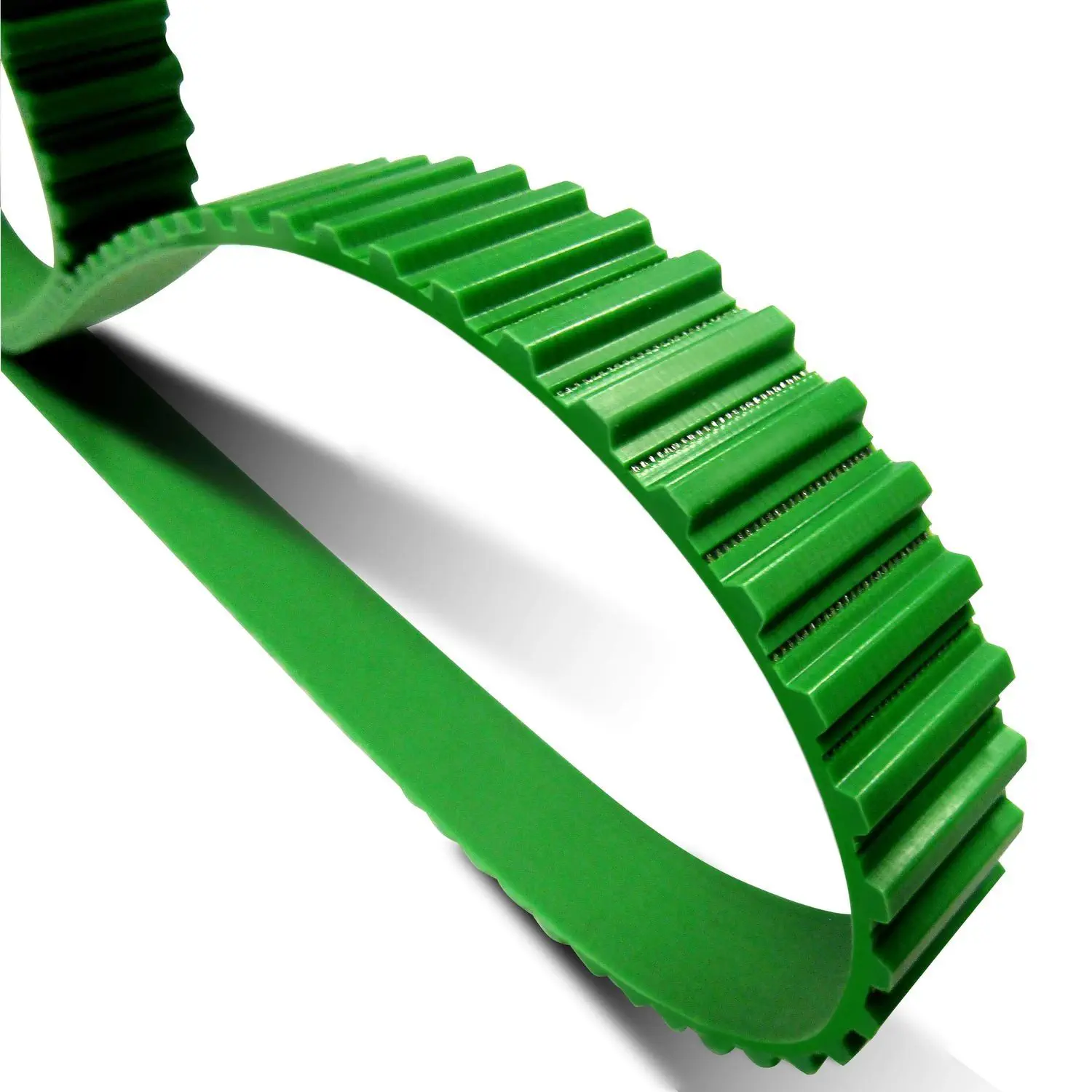
Are there sustainability aspects associated with the use of plastic belts in conveyor systems?
Plastic belts in conveyor systems can have both positive and negative sustainability aspects. Here’s a detailed explanation:
- Positive Sustainability Aspects:
Plastic belts offer several sustainability benefits when used in conveyor systems:
- 1. Energy Efficiency:
Plastic belts contribute to energy efficiency in conveyor systems. Their low coefficient of friction and lightweight construction require less power to drive the belts, resulting in reduced energy consumption. By minimizing energy requirements, plastic belts help conserve energy resources and reduce greenhouse gas emissions associated with energy generation.
- 2. Reduced Material Waste:
Plastic belts are typically designed for long-lasting performance and durability. They can withstand wear, abrasion, and exposure to various environments, resulting in extended service life. This longevity reduces the need for frequent belt replacements, minimizing material waste and reducing the environmental impact of manufacturing new belts.
- 3. Recyclability:
Many plastic belts used in conveyor systems are recyclable. At the end of their life cycle, these belts can be collected, processed, and recycled into new plastic products. Recycling plastic belts helps divert waste from landfills and reduces the demand for virgin materials, contributing to a more circular and sustainable economy.
- 4. Lightweight Design:
Plastic belts are lightweight compared to other belt materials like steel or rubber. This lightweight design reduces the overall weight of the conveyor system and the energy required to move the belts and conveyed materials. It also allows for easier installation and maintenance, reducing the need for heavy machinery and associated energy consumption.
- Negative Sustainability Aspects:
While plastic belts offer sustainability benefits, there are also negative aspects to consider:
- 1. Environmental Impact of Plastic:
Plastic belts are made from petroleum-based materials, and their production contributes to the extraction of fossil fuels and the emission of greenhouse gases. Additionally, if plastic belts are not properly managed at the end of their life cycle, they can end up in landfills or as litter, posing environmental challenges. To mitigate these negative aspects, it is crucial to promote responsible waste management practices, including recycling or proper disposal of plastic belts.
- 2. Chemical and Resource Intensity:
The manufacturing process of plastic belts can involve the use of chemicals and resources, including energy and water. The extraction and processing of these resources can have environmental impacts, such as pollution and resource depletion. To address this, manufacturers can adopt more sustainable production practices, including the use of eco-friendly materials, energy-efficient manufacturing processes, and responsible water management.
- 3. End-of-Life Management:
The disposal of plastic belts at the end of their life cycle can pose challenges if proper recycling infrastructure is lacking. If not recycled, the belts may end up in landfills, contributing to waste accumulation. To overcome this, it is important to establish and promote recycling programs for plastic belts, ensure accessibility to recycling facilities, and encourage the development of innovative recycling technologies.
In summary, the use of plastic belts in conveyor systems has sustainability aspects. Plastic belts offer energy efficiency, reduced material waste, recyclability, and lightweight design. However, the environmental impact of plastic, chemical and resource intensity in production, and proper end-of-life management should be considered to mitigate the negative aspects associated with plastic belt use. By adopting sustainable practices throughout the lifecycle of plastic belts, such as recycling and responsible manufacturing, the overall sustainability of conveyor systems can be improved.
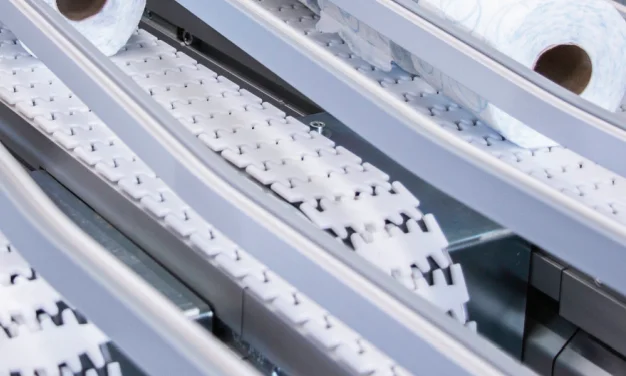
How does the durability of plastic belts compare to other materials in conveyor systems?
When comparing the durability of plastic belts to other materials used in conveyor systems, several factors come into play. Here’s a detailed explanation:
- 1. Wear Resistance:
Plastic belts generally offer good wear resistance, allowing them to withstand the demands of many industrial applications. The specific wear resistance can vary depending on the type of plastic material used for the belt. Some plastic materials, such as polyurethane (PU) or acetal (POM), exhibit excellent wear resistance and can withstand abrasive environments better than other materials like fabric or rubber belts. However, in high-intensity applications with heavy loads or sharp objects, metal belts may provide superior wear resistance compared to plastic belts.
- 2. Impact Resistance:
Plastic belts typically have good impact resistance, especially when compared to rigid materials like metal belts. Plastic belts can absorb and dissipate impact forces, reducing the risk of damage or breakage. This makes plastic belts suitable for applications where the conveyed products may encounter impacts during loading, unloading, or handling processes. However, in extremely demanding applications with heavy or sharp impacts, specialized metal belts or reinforced fabric belts may offer higher impact resistance than plastic belts.
- 3. Chemical Resistance:
Plastic belts generally exhibit excellent chemical resistance compared to other materials like fabric or rubber belts. They can withstand exposure to a wide range of chemicals, oils, solvents, and cleaning agents without significant degradation. This makes plastic belts suitable for industries where corrosive substances or chemical cleaning agents are present. In contrast, fabric or rubber belts may deteriorate or experience chemical damage when exposed to aggressive substances.
- 4. Moisture Resistance:
Plastic belts are highly resistant to moisture, making them suitable for applications in wet environments or where frequent washdowns are required. Unlike fabric belts that can absorb moisture and become weakened, plastic belts maintain their structural integrity and performance even when exposed to water or high humidity. Metal belts, on the other hand, may be prone to corrosion when exposed to moisture, requiring additional protective measures.
- 5. Temperature Resistance:
The temperature resistance of plastic belts can vary depending on the specific plastic material used. Some plastic materials, such as polypropylene (PP) or polyethylene (PE), have lower temperature resistance compared to other materials like metal belts. However, there are plastic belt options available, such as polyurethane (PU) or polyvinyl chloride (PVC), that offer high-temperature resistance and can withstand elevated temperatures in industrial applications. It’s essential to select a plastic belt that matches the temperature range of the intended application.
- 6. Longevity and Maintenance:
The longevity and maintenance requirements of plastic belts can be favorable compared to other materials. Plastic belts typically have a longer lifespan than fabric belts, as they are less prone to fraying, tearing, or stretching. They also require minimal maintenance, as they do not need regular lubrication or tension adjustments like metal belts. Plastic belts can be easily cleaned and sanitized, prolonging their service life. However, metal belts may offer exceptional longevity and require minimal maintenance as well.
In summary, plastic belts offer good durability in many industrial applications, particularly when it comes to wear resistance, impact resistance, chemical resistance, moisture resistance, and ease of maintenance. However, in certain demanding applications with heavy loads, sharp impacts, or extreme temperatures, specialized metal belts or reinforced fabric belts may provide superior durability. It’s crucial to assess the specific requirements of the application and select the most appropriate belt material based on the expected operating conditions and the desired level of durability.
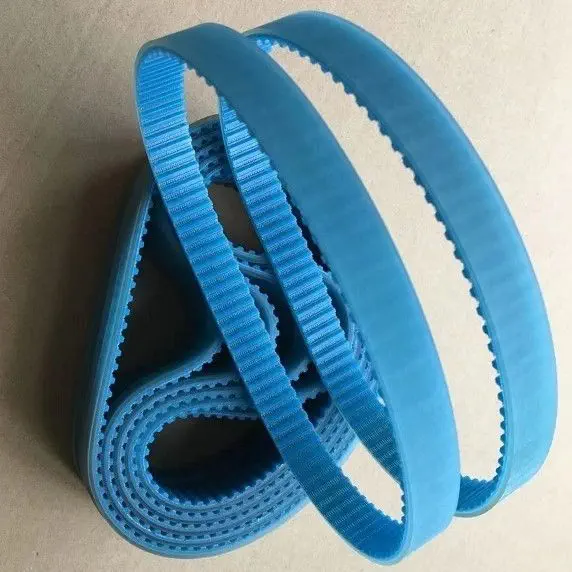
Can you describe the different types of plastic belts available in the market today?
There are several different types of plastic belts available in the market today, each designed to meet specific application requirements. Here’s an overview of some commonly used types:
- 1. Modular Plastic Belts:
Modular plastic belts consist of interlocking plastic modules or links that form a continuous belt. These belts offer flexibility, allowing them to navigate around corners, bends, and other obstacles smoothly. They are commonly used in applications that require accumulation, incline/decline conveying, or small product transfer. Modular plastic belts are available in various configurations, such as flat-top, flush-grid, and raised-rib designs, to accommodate different product types and handling requirements.
- 2. Solid Plastic Belts:
Solid plastic belts are made from a single piece of plastic material without interlocking modules. They offer a smooth and continuous surface, making them suitable for applications that require stable and consistent product conveying. Solid plastic belts are often used in industries such as food processing, where hygiene, easy cleaning, and resistance to contamination are crucial.
- 3. Cleated Plastic Belts:
Cleated plastic belts feature integrally molded cleats or projections on their surface. These cleats help to prevent product slippage and facilitate the inclined or vertical movement of bulk materials or packages. Cleated plastic belts are commonly used in applications such as incline or decline conveying, sorting, and elevating products in industries like agriculture, recycling, and manufacturing.
- 4. Wire Mesh Plastic Belts:
Wire mesh plastic belts consist of a plastic mesh overlaying metal or plastic rods. These belts offer an open and breathable surface, allowing for easy drainage, airflow, and visual inspection of conveyed products. They are often used in applications where heat, steam, or liquids need to pass through the belt, such as baking ovens, washing processes, or drying operations in the food industry.
- 5. Vacuum Plastic Belts:
Vacuum plastic belts are designed with a perforated or porous surface that allows the application of vacuum pressure to hold and stabilize lightweight or delicate products during conveying. These belts are commonly used in industries such as electronics, printing, and packaging, where precise positioning and gentle handling of products are required.
- 6. Anti-Static Plastic Belts:
Anti-static plastic belts are specifically designed to dissipate static electricity and prevent the buildup of electrostatic charges. They are used in applications where static discharge could damage sensitive electronic components or create safety hazards. Anti-static plastic belts are commonly employed in electronics manufacturing, semiconductor production, and cleanroom environments.
These are just a few examples of the different types of plastic belts available in the market today. The choice of plastic belt depends on factors such as the application requirements, load capacity, product characteristics, environmental conditions, and industry-specific regulations. Manufacturers often offer a range of customization options to tailor the belt design, material, and features to meet the specific needs of their customers.


editor by CX 2024-02-24