
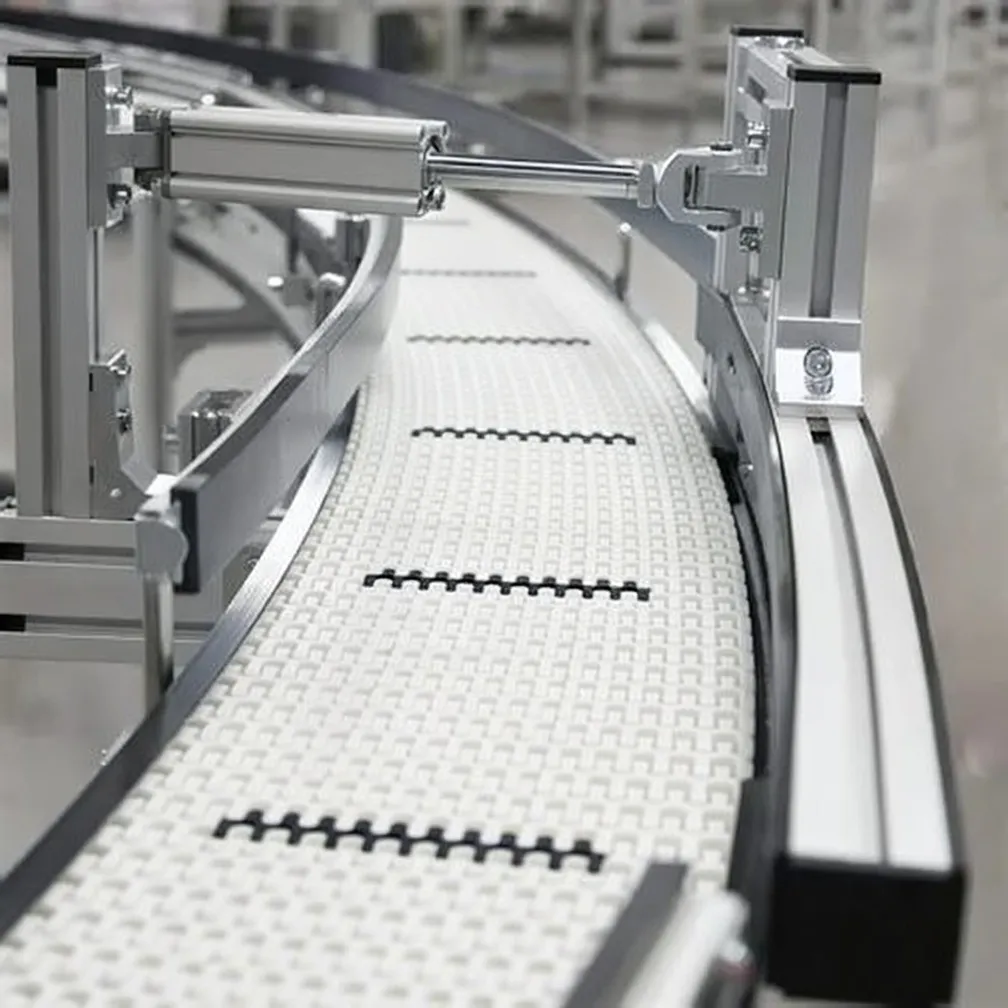
 Μέσα σε κάθε βαφείο αυτοκινήτων, το σύστημα μεταφοράς αποτελεί την άγνωστη ραχοκοκαλιά ολόκληρης της γραμμής παραγωγής. Είτε πρόκειται για τη μεταφορά γυμνών μεταλλικών κελυφών μέσω δεξαμενών φωσφάτωσης, είτε για τη μετακίνηση πάνελ αμαξώματος μέσω λουτρών ηλεκτροστατικής επίστρωσης (e-coat), είτε για τη μεταφορά πλήρως ασταρωμένων αμαξωμάτων στον φούρνο τελικής επίστρωσης, οι απαιτήσεις που επιβάλλονται σε οποιαδήποτε επιφάνεια μεταφοράς είναι εξαιρετικές. Ακραίες θερμοκρασίες, έκθεση σε επιθετικά χημικά, ακρίβεια διαστάσεων και σχεδόν μηδενική ανοχή στη μόλυνση συγκλίνουν σε αυτό το περιβάλλον - και ένας συμβατικός ιμάντας από καουτσούκ ή χάλυβα απλά δεν μπορεί να ανταποκριθεί σε αυτές τις απαιτήσεις αξιόπιστα. Αυτός ακριβώς είναι ο λόγος για τον οποίο ο πλαστικός αρθρωτός ιμάντας έχει γίνει η προτιμώμενη επιλογή για τις γραμμές μεταφοράς βαφείων αυτοκινήτων σε όλα τα εργοστάσια παραγωγής σε όλο το Ηνωμένο Βασίλειο και παγκοσμίως.
Σε αντίθεση με τα μονολιθικά υλικά ιμάντων που υποβαθμίζονται όταν εκτίθενται σε φωσφορικό οξύ, χημεία καταφορητικής βαφής ή θερμοκρασίες φούρνου σκλήρυνσης που υπερβαίνουν τους 200°C, ένας σωστά καθορισμένος πλαστικός αρθρωτός ιμάντας διατηρεί τη διαστατική σταθερότητα, την ακεραιότητα της επιφάνειας και τη μηχανική αντοχή σε ολόκληρη την αλυσίδα της διεργασίας. Ο σχεδιασμός της αλληλοσυνδεόμενης μονάδας σημαίνει ότι τα μεμονωμένα τμήματα μπορούν να αντικατασταθούν χωρίς να διακοπεί ολόκληρη η γραμμή - ένα κρίσιμο πλεονέκτημα στην αυτοκινητοβιομηχανία μεγάλου όγκου παραγωγής, όπου κάθε λεπτό διακοπής λειτουργίας έχει σημαντικό οικονομικό βάρος. Με τη σωστή επιλογή υλικού, τη γεωμετρία ανοιχτού μεντεσέ και τη διαμόρφωση κίνησης, ένας πλαστικός αρθρωτός ιμάντας γίνεται κάτι περισσότερο από μια απλή επιφάνεια μεταφοράς. Γίνεται ένας ενεργός παράγοντας που συμβάλλει στην ποιότητα της βαφής, την αποδοτικότητα της παραγωγής και το συνολικό κόστος ιδιοκτησίας.
Πλαστικός Αρθρωτός Ιμάντας — Εφαρμογή Μεταφορικού Ταινιοδρόμου σε Βαφείο Αυτοκινήτων
Συνιστώμενα: 1200×600px, μορφή WebP, alt="μεταφορικός ιμάντας από πλαστικό για συνεργείο βαφής αυτοκινήτων στο Ηνωμένο Βασίλειο"
Γιατί τα συνεργεία βαφής αυτοκινήτων απαιτούν διαφορετική κατηγορία μεταφορικού ιμάντα
Μηχανική Προοπτική · 18+ Χρόνια Εμπειρίας σε Εφαρμογές
Ζώνες σκλήρυνσης σε φούρνο (έως 220°C)
Οι φούρνοι σκλήρυνσης χρώματος εκθέτουν τις επιφάνειες των μεταφορικών ταινιών σε παρατεταμένα υψηλές θερμοκρασίες. Οι τυπικοί πολυμερείς ιμάντες παραμορφώνονται ή μαλακώνουν. Οι εξειδικευμένες ποιότητες αρθρωτών ιμάντων από πλαστικό ακετάλης ή πολυπροπυλενίου διατηρούν τη δομική ακεραιότητα μέσω επαναλαμβανόμενων θερμικών κύκλων χωρίς διαστατική ολίσθηση.
Γραμμές χημικής προεπεξεργασίας
Οι δεξαμενές φωσφορίωσης, απολίπανσης και ηλεκτρονικής επίστρωσης χρησιμοποιούν εξαιρετικά επιθετικά χημικά λουτρά. Η αντοχή του πλαστικού αρθρωτού ιμάντα σε οξέα, αλκάλια και χημικές ουσίες χρωμάτων με βάση διαλύτες σημαίνει ότι δεν υπάρχει υποβάθμιση του ιμάντα, καμία μόλυνση του λουτρού και κανένα μεταλλικό σωματίδιο που θα μπορούσε να θέσει σε κίνδυνο την πρόσφυση της επίστρωσης.
Απαίτηση μηδενικής μόλυνσης
Οποιοδήποτε ξένο σωματίδιο — μεταλλικά ρινίσματα, σκόνη από καουτσούκ, υπολείμματα ιμάντα — που έρχεται σε επαφή με μια ασταρωμένη επιφάνεια πριν από την τελική επίστρωση δημιουργεί ένα δαπανηρό αισθητικό ελάττωμα. Οι πλαστικοί αρθρωτοί ιμάντες έχουν σχεδιαστεί έτσι ώστε να μην παράγουν υπολείμματα, να μην ξεφλουδίζουν και να μην εκκενώνουν στατικά ηλεκτρικά φορτία που θα μπορούσαν να προσελκύσουν σκόνη σε φρεσκοασταρωμένα πάνελ.
Ταχεία Συντήρηση Εντός Σειράς
Σε εργοστάσια αυτοκινήτων μεγάλου όγκου στο Ηνωμένο Βασίλειο που λειτουργούν σε δύο ή τρεις βάρδιες, τα παράθυρα συντήρησης είναι περιορισμένα. Η δομή αλληλοσυνδεόμενων μονάδων ενός πλαστικού αρθρωτού ιμάντα επιτρέπει την αντικατάσταση κατεστραμμένων τμημάτων σε λίγα λεπτά χωρίς εργαλεία ή πλήρη αφαίρεση του ιμάντα — ένα πλεονέκτημα που μειώνει δραματικά τον προγραμματισμένο και μη προγραμματισμένο χρόνο διακοπής λειτουργίας.
Διαστατική Ακρίβεια για Ρομποτική
Τα σύγχρονα βαφεία χρησιμοποιούν ρομποτικούς βραχίονες για τη σφράγιση ραφών, την επίστρωση του κάτω μέρους του αμαξώματος και την εφαρμογή τελικής επίστρωσης. Αυτά τα ρομπότ απαιτούν την τοποθέτηση του αμαξώματος του οχήματος με επαναληψιμότητα ±1 mm. Τα συστήματα πλαστικών αρθρωτών ιμάντων, όταν τεντώνονται και καθοδηγούνται σωστά, παρέχουν την ακρίβεια παρακολούθησης που απαιτούν οι ρομποτικοί σταθμοί σε ολόκληρη τη γραμμή παραγωγής.
Σχεδιασμός αποστράγγισης με ανοιχτή άρθρωση
Οι ζώνες προεπεξεργασίας και ξεβγάλματος δημιουργούν σημαντική απορροή υγρών. Τα σχέδια πλαστικών αρθρωτών ιμάντων με ανοιχτή κορυφή επιτρέπουν στα υγρά διεργασίας να στραγγίζουν ελεύθερα μέσω του ιμάντα, αποτρέποντας τη συσσώρευση στην επιφάνεια του ιμάντα, μειώνοντας το βάρος του ιμάντα υπό φορτίο και διατηρώντας σταθερές συγκεντρώσεις λουτρού σε συστήματα προεπεξεργασίας τύπου εμβάπτισης.
Τεχνικές παράμετροι: Πλαστικός αρθρωτός ιμάντας για εφαρμογές βαφείου
Επιλογή Υλικού · Δεδομένα Απόδοσης · Όρια Λειτουργίας
Ο καθορισμός του σωστού πλαστικού αρθρωτού ιμάντα για ένα βαφείο αυτοκινήτων ξεκινά με την κατανόηση του λειτουργικού περιβλήματος κάθε ζώνης. Μια προσέγγιση "ένα μέγεθος για όλους" αποτυγχάνει επειδή η ζώνη εμβάπτισης με ηλεκτρονική επίστρωση, ο φούρνος σκλήρυνσης και το τμήμα μεταφοράς του τελικού αμαξώματος επιβάλλουν θεμελιωδώς διαφορετικές απαιτήσεις ως προς το υλικό, το βήμα και την υφή της επιφάνειας. Ο παρακάτω πίνακας ενοποιεί τις βασικές παραμέτρους που σχετίζονται με τις ομάδες μηχανικών μεταφορικών ταινιών βαφείων αυτοκινήτων στο Ηνωμένο Βασίλειο που αξιολογούν τις επιλογές πλαστικού αρθρωτού ιμάντα.
| Παράμετρος | PP (Πολυπροπυλένιο) | POM (Ακετάλη) | PVDF / Ειδικότητα |
|---|---|---|---|
| Θερμοκρασία λειτουργίας (συνεχής) | -10°C έως +120°C | -40°C έως +100°C | Έως +150°C |
| Μέγιστη Θερμοκρασία (Βραχυπρόθεσμη) | +130°C | +110°C | +220°C |
| Χημική αντοχή (οξέα) | Εξοχος | Καλός | Εξοχος |
| Χημική αντοχή (αλκάλια) | Εξοχος | Εξοχος | Εξοχος |
| Αντοχή σε εφελκυσμό (Πλάτος ιμάντα) | Έως 2.500 N/m | Έως 3.800 N/m | Έως 2.200 N/m |
| Βήμα ενότητας (Τυπικό) | 25,4 / 38,1 χιλιοστά | 25,4 / 50,8 χιλιοστά | 38,1 χιλιοστά |
| Εύρος πλάτους ιμάντα (Προσαρμοσμένο) | 100 – 3.000 χιλιοστά | 100 – 2.500 χιλιοστά | 100 – 2.000 χιλιοστά |
| Επιλογές επιφάνειας | Επίπεδο / Διάτρητο / Λαβή-κορυφή | Επίπεδο / Χαμηλής τριβής | Επίπεδο / Ανοιχτό πλέγμα |
| Τυπική Ζώνη Εργαστηρίου Χρωμάτων | Προεπεξεργασία / Ηλεκτρονική επίστρωση | Μεταφορά / Συναρμολόγηση | Φούρνος σκλήρυνσης |
| Συμμόρφωση με FDA / RoHS | Διαθέσιμος | Διαθέσιμος | Διαθέσιμος |
Εφαρμογή ανά ζώνη: Όπου η πλαστική αρθρωτή ταινία υπερέχει στο βαφείο
Μηχανική Διαδικασιών · Ολοκλήρωση Γραμμών · Συμβατότητα Υλικών
Ένα βαφείο αυτοκινήτων δεν είναι ένα ενιαίο περιβάλλον. Είναι μια ακολουθία διακριτών ζωνών διεργασίας, καθεμία με το δικό της προφίλ θερμοκρασίας, χημική έκθεση και απαίτηση απόδοσης. Η κατανόηση της προδιαγραφής πλαστικού αρθρωτού ιμάντα που ταιριάζει σε κάθε ζώνη είναι θεμελιώδης για τη μακροπρόθεσμη αξιοπιστία της γραμμής παραγωγής. Πάνω από δεκαοκτώ χρόνια εφαρμογής σε αυτόν τον τομέα, η ακόλουθη ανάλυση ζωνών έχει αποδειχθεί σταθερά ακριβής σε εγκαταστάσεις αυτοκινητοβιομηχανίας στο Ηνωμένο Βασίλειο, την Ευρώπη και τον κόσμο.
Αφρόλουτρο & Προ-Απολίπανση
Τα αλκαλικά σπρέι απορρυπαντικού και τα ξεπλύματα υψηλής πίεσης αφαιρούν τα λάδια κατασκευής και τα λιπαντικά σφράγισης από το γυμνό μεταλλικό σώμα. Ο πλαστικός αρθρωτός ιμάντας εδώ πρέπει να ανέχεται συγκεντρώσεις επιφανειοδραστικών ουσιών έως 5% w/v, θερμοκρασίες έως 65°C και συνεχή εμβάπτιση στο νερό. Οι μονάδες πολυπροπυλενίου ανοιχτής άρθρωσης με ανοιχτή επιφάνεια 35–45% αποτελούν την τυπική προδιαγραφή, επιτρέποντας πλήρη αποστράγγιση ενώ παράλληλα υποστηρίζουν το βάρος του σώματος σε όλο το άνοιγμα του μεταφορέα.
Προδιαγραφές ιμάντα: Ανοιχτή οροφή PP, βήμα 38,1 mm, επίπεδη επιφάνεια πλέγματος
Φωσφάτωση & Επικάλυψη Μετατροπής
Τα λουτρά ψευδαργύρου ή φωσφορικού σιδήρου δημιουργούν το στρώμα μετατροπής που εξασφαλίζει την πρόσφυση της βαφής. Συγκεντρώσεις φωσφορικού οξέος 10–25 g/L, σε συνδυασμό με επιταχυντές όπως το νιτρώδες νάτριο, απαιτούν πλήρη αντοχή σε οξύ από τον μεταφορικό ιμάντα. Ένας τυπικός ελαστικός ή χαλύβδινος ιμάντας θα διαβρώσει ή θα απελευθερώσει ιόντα στο λουτρό, διαταράσσοντας τη χημεία της επίστρωσης και προκαλώντας ελαττώματα ποιότητας. Ο αρθρωτός ιμάντας από πλαστικό PP διατηρεί τη χημική ουδετερότητα σε όλη την έκταση, χωρίς μετρήσιμη συμβολή ιόντων στη σύνθεση του λουτρού καθ' όλη τη διάρκεια ζωής του ιμάντα.
Προδιαγραφές ιμάντα: PP οξύβαθμος, βήμα 25,4 mm, πλήρως ανοιχτή άρθρωση
Ηλεκτρο-Επίστρωση (E-Coat / Καταφόρηση)
Στη δεξαμενή ηλεκτρονικής επίστρωσης, το αμάξωμα του οχήματος είναι πλήρως βυθισμένο και ηλεκτροχημικά επικαλυμμένο με ένα στρώμα ασταριού στα 250–450V DC. Ο μεταφορικός ιμάντας λειτουργεί εξ ολοκλήρου υποβρύχια σε λουτρό γαλακτώματος βαφής στους 28–32°C. Οποιοδήποτε μεταλλικό εξάρτημα ενός συμβατικού ιμάντα θα διατάρασσε το ηλεκτρικό πεδίο και θα έθετε σε κίνδυνο την ομοιομορφία της επίστρωσης. Τα μη αγώγιμα πλαστικά υλικά των αρθρωτών ιμάντων — το πολυπροπυλένιο είναι το βιομηχανικό πρότυπο — είναι ηλεκτρικά διαφανή στη διαδικασία καταφόρησης, εξασφαλίζοντας ομοιόμορφη εναπόθεση ασταριού σε όλες τις επιφάνειες του αμαξώματος, συμπεριλαμβανομένων των εσωτερικών κοιλοτήτων.
Προδιαγραφές ιμάντα: PP μη αγώγιμο, βήμα 38,1 mm, υποβρύχιος βαθμός
Φούρνος σκλήρυνσης E-Coat (175–190°C)
Αφού φύγει από τη δεξαμενή ηλεκτρονικής επίστρωσης, το ασταρωμένο σώμα διέρχεται από έναν φούρνο σκλήρυνσης για να διασυνδέσει την επίστρωση ασταριού. Σε θερμοκρασίες 175–190°C που διατηρούνται για 20–30 λεπτά, το τυπικό PP αρχίζει να μαλακώνει. Αυτή η ζώνη απαιτεί είτε ποιότητες PP υψηλής θερμοκρασίας (θερμικά σταθεροποιημένες συνθέσεις) είτε διαμορφώσεις πλαστικών αρθρωτών ιμάντων με βάση το PVDF. Οι ποιότητες υψηλής θερμοκρασίας διατηρούν την πλήρη μηχανική αντοχή και τη γεωμετρία του ιμάντα μέσω συνεχούς θερμικού κύκλου χωρίς να παραμορφώνονται, να επιμηκύνονται ή να απελευθερώνουν πτητικές ενώσεις που θα μπορούσαν να επηρεάσουν την επιφάνεια του φρεσκοσκληρυμένου ασταριού.
Προδιαγραφές ιμάντα: HT-PP ή PVDF, σταθεροποιημένος με θερμότητα, βήμα 38,1 mm
Σφράγιση, Κάτω Αμαξώματος & Ζώνη Τελικής Επίστρωσης
Μετά τη σκλήρυνση του ασταριού, το αμάξωμα κινείται μέσα από ρομπότ στεγανοποίησης ραφών, εφαρμογή PVC κάτω από το αμάξωμα και τέλος από τους θαλάμους ψεκασμού τελικής επίστρωσης. Εδώ, ο πλαστικός αρθρωτός ιμάντας χρησιμεύει κυρίως ως μεταφορικός ιμάντας ακριβείας. Η υφή της επιφάνειας αποκτά κρίσιμη σημασία — ένας ιμάντας με εκτεθειμένα χαρακτηριστικά λαβής ή προεξοχές ενέχει τον κίνδυνο να αφήσει σημάδια επαφής στην τελική επιφάνεια βαφής. Οι μονάδες ακετάλης (POM) με επίπεδη επιφάνεια ή χαμηλού προφίλ είναι η προτιμώμενη προδιαγραφή σε αυτές τις ζώνες μετά το αστάρι, προσφέροντας ομαλή, μη σημαδεμένη επαφή με μηδενικό κίνδυνο τριβής στην επιφάνεια του σκληρυμένου ασταριού ή της τελικής επίστρωσης.
Προδιαγραφές ιμάντα: Επίπεδη κορυφή POM, βήμα 25,4 mm, επιφάνεια χαμηλής τριβής
Φούρνος τελικής επίστρωσης & Τελικός ποιοτικός έλεγχος
Ο τελικός φούρνος σκλήρυνσης — συνήθως 140–160°C για υδατοδιαλυτά τελικά χρώματα ή έως 200°C για συστήματα με διαλύτη — αντιπροσωπεύει την τελευταία θερμική πρόκληση πριν το αμάξωμα του οχήματος φτάσει στον σταθμό ποιοτικού ελέγχου. Σε αυτό το στάδιο, ο πλαστικός αρθρωτός ιμάντας πρέπει όχι μόνο να αντέχει στη θερμοκρασία, αλλά και να εξέρχεται από τον φούρνο χωρίς να χαλαρώνει, να παραμορφώνεται ή να σημαδεύει την επιφάνεια. Ο ποιοτικός έλεγχος μετά τον φούρνο απαιτεί τέλεια γεωμετρία ιμάντα για να διατηρείται η θέση του αμαξώματος κάτω από τα οπτικά συστήματα ελέγχου που ελέγχουν για επιφανειακά ελαττώματα υπό συνθήκες έντονου φωτισμού.
Προδιαγραφές ιμάντα: Σταθεροποιημένος HT-PP, επίπεδη κορυφή, με ακριβή ιχνηλασία
Επιτυχία Πελάτη: Υλοποίηση Πλαστικής Μονάδας Ζώνης σε Πραγματικό Κόσμο
Μελέτη περίπτωσης · Προμηθευτής αυτοκινήτων βαθμίδας 1 στο Ηνωμένο Βασίλειο · Ανακαίνιση βαφείου
Δυτικά Μίντλαντς, Ηνωμένο Βασίλειο
Προμηθευτής Αυτοκινήτων Κατηγορίας 1
Ανακαίνιση Βαφείου 2023
Αντικατάσταση Μεταφορικών Ταινιών από Χαλύβδινες Λωρίδες με Πλαστική Αρθρωτή Ταινία σε 340 μέτρα Γραμμής Βαφής
Ένας καθιερωμένος κατασκευαστής εξαρτημάτων προφυλακτήρων και εξωτερικών διακοσμητικών Tier 1, που λειτουργούσε σε εγκαταστάσεις 45.000 τ.μ. στα Δυτικά Μίντλαντς, λειτουργούσε με μεταφορικούς ιμάντες από χάλυβα στο βαφείο του από τις αρχές της δεκαετίας του 2000. Μέχρι το 2022, η διάβρωση από τη ζώνη φωσφάτωσης είχε μειώσει τα διαστήματα συντήρησης σε κάθε έξι εβδομάδες και τα σωματίδια σκουριάς από τις φθαρμένες λαμαρίνες προκαλούσαν αστοχίες πρόσφυσης του ασταριού με ρυθμό περίπου 1,8% απόδοσης — ένας αριθμός που μεταφράστηκε άμεσα σε δαπανηρές επαναλήψεις και ειδοποιήσεις πελατών προς το εργοστάσιο συναρμολόγησης OEM που προμήθευε.
Μετά από έλεγχο της γραμμής παραγωγής, η ομάδα μηχανικών μας προέβλεψε μια πλήρη μετατροπή σε πλαστική αρθρωτή ταινία ανοιχτής οροφής από PP στις ζώνες προεπεξεργασίας και ηλεκτρονικής επίστρωσης, μεταβαίνοντας σε θερμικά σταθεροποιημένες μονάδες HT-PP μέσω φούρνων σκλήρυνσης, και προδιαγραφών επίπεδης οροφής POM για τα τμήματα τελικής επίστρωσης και επιθεώρησης. Ολόκληρη η μετατροπή της γραμμής παραγωγής μήκους 340 μέτρων ολοκληρώθηκε σε τρία προγραμματισμένα Σαββατοκύριακα διακοπής λειτουργίας, χωρίς καμία διακοπή του χρονοδιαγράμματος παραγωγής ενδιάμεσα.
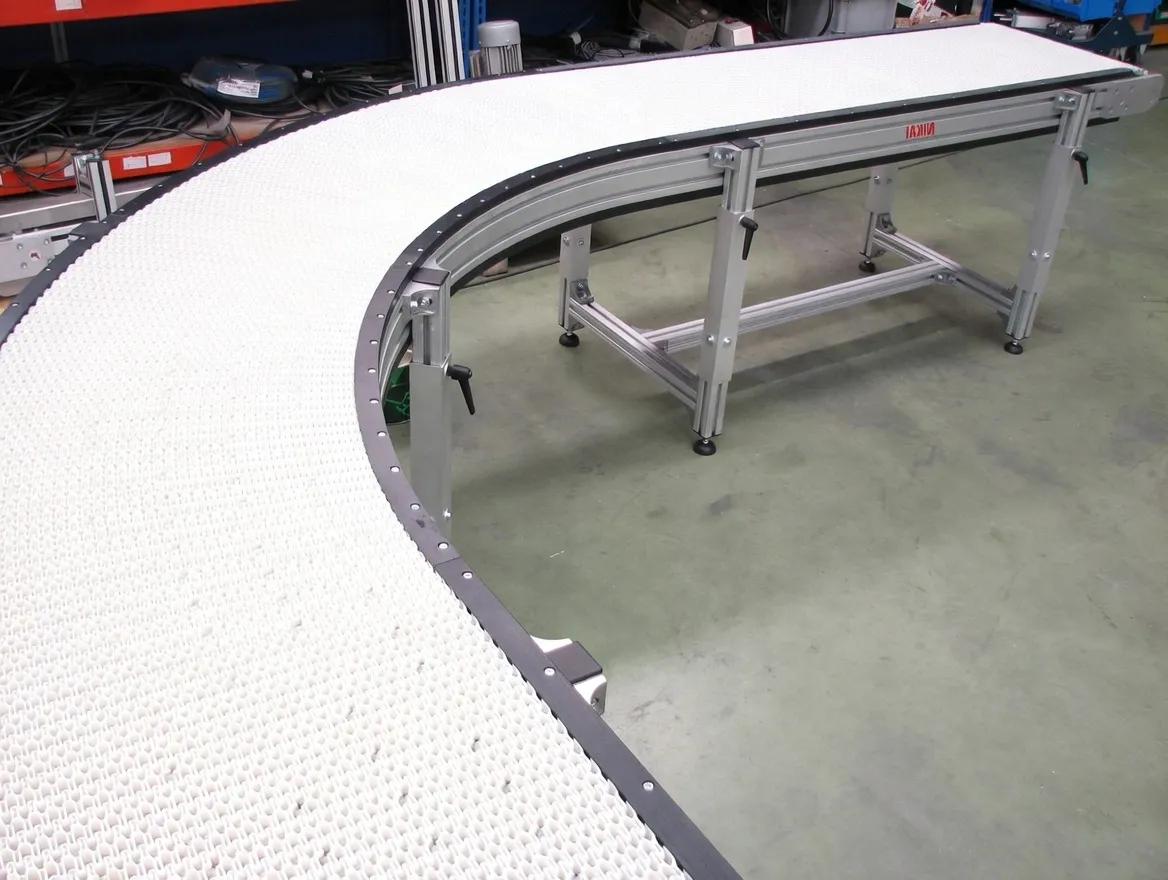
Τι λένε οι πελάτες μας
Για χρόνια παλεύαμε με τη σκουριά στο λουτρό ηλεκτροστατικής βαφής μας. Αφού αλλάξαμε σε πλαστική αρθρωτή ταινία σε όλη τη ζώνη προεπεξεργασίας, δεν είχαμε ούτε ένα περιστατικό μόλυνσης στο λουτρό. Η χημεία είναι πιο καθαρή, η πρόσφυση της επίστρωσης είναι μετρήσιμα καλύτερη και η ίδια η ταινία δεν έχει απαιτήσει σχεδόν καμία προσοχή για δεκατέσσερις μήνες συνεχούς λειτουργίας.
Ο αρθρωτός σχεδιασμός ήταν ο καθοριστικός παράγοντας για εμάς. Ο μεταφορικός ιμάντας του φούρνου μας εκτείνεται σε 80 μέτρα και η δυνατότητα αντικατάστασης μεμονωμένων κατεστραμμένων μονάδων κατά τη διάρκεια μιας αλλαγής βάρδιας αντί να τραβιέται ολόκληρος ο ιμάντας έχει μεταμορφώσει τον σχεδιασμό συντήρησης. Ο χρόνος διακοπής λειτουργίας στη ζώνη σκλήρυνσης αποτελούσε παλαιότερα σημαντικό κίνδυνο, τώρα είναι πραγματικά διαχειρίσιμος. Η διαδικασία υποβολής προσφορών ήταν επίσης απλή και ο χρόνος παράδοσης ήταν ανταγωνιστικός.
Προμηθεύουμε ανταλλακτικά OEM σε τρία εργοστάσια συναρμολόγησης στο Ηνωμένο Βασίλειο, επομένως η ποιότητα του φινιρίσματος δεν είναι προαιρετική — είναι συμβατική. Η αναβάθμιση της ζώνης τελικής επίστρωσης με πλαστικό αρθρωτό ιμάντα εξάλειψε τα σημάδια επαφής που παίρναμε από τις παλιές λαστιχένιες λαμαρίνες. Τα ποσοστά επιτυχίας στον έλεγχο ποιότητας για πρώτη φορά αυξήθηκαν από 96,4% σε 99,1% εντός δύο μηνών από τη μετατροπή. Αυτό είναι το είδος του αποτελέσματος που αποδίδει πολύ γρήγορα όταν διαχειρίζεστε όγκους παραγωγής με τους οποίους ασχολούμαστε.
Δυνατότητα Παραγωγής & Προσαρμοσμένη Μηχανική
Ever Power · Πλαστική αρθρωτή ζώνη · Εξατομικευμένες λύσεις
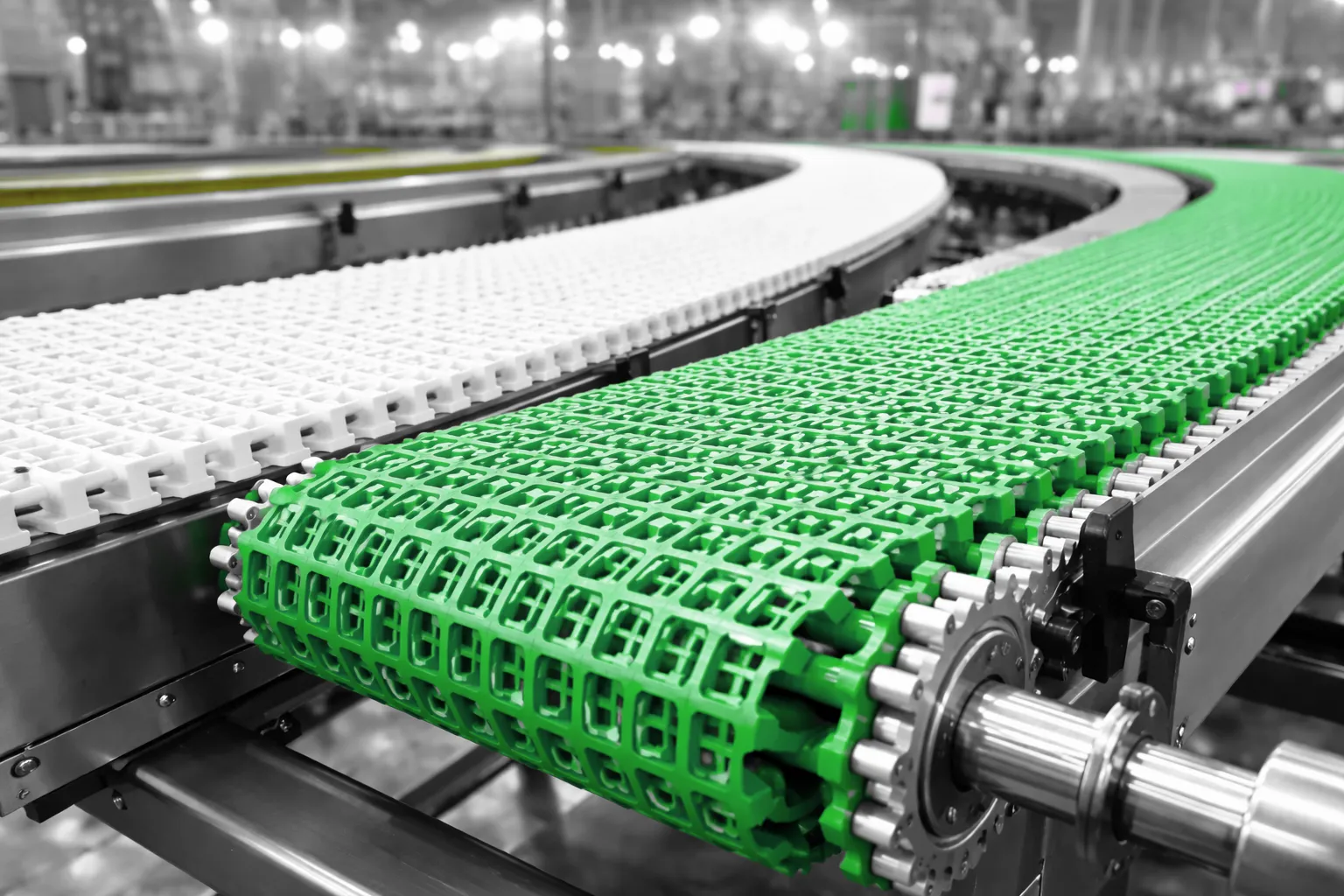 Στην Ever Power, η δυνατότητα κατασκευής και προσαρμογής πλαστικών αρθρωτών ιμάντων ξεπερνά κατά πολύ τα τυπικά πλάτη και βήματα του καταλόγου. Κατανοούμε ότι οι γραμμές μεταφοράς βαφείων αυτοκινήτων σπάνια είναι τυπικές — τα πλάτη γραμμών, οι αλλαγές υψομέτρου, η ενσωμάτωση του συστήματος κίνησης και οι απαιτήσεις επιφάνειας που αφορούν συγκεκριμένες διεργασίες δημιουργούν προκλήσεις προσαρμογής που τα έτοιμα προς πώληση προϊόντα δεν μπορούν να αντιμετωπίσουν. Η εσωτερική ομάδα μηχανικών μας παρέχει πλήρη ανάπτυξη εξατομικευμένων προδιαγραφών, από τον αρχικό έλεγχο διεργασίας και την επιλογή ιμάντα έως την αναθεώρηση του μηχανολογικού σχεδιασμού, τις δοκιμές αποδοχής στο εργοστάσιο και την υποστήριξη θέσης σε λειτουργία επί τόπου σε ολόκληρο το Ηνωμένο Βασίλειο.
Οι προσαρμοσμένες υπηρεσίες περιλαμβάνουν: πλάτη ιμάντα από 100 mm έως 3.000 mm σε οποιαδήποτε αύξηση, ανάπτυξη μη τυποποιημένου βήματος μονάδων, ενσωματωμένους διαχωριστές λωρίδων και πλευρικούς οδηγούς, προσαρμοσμένες υφές επιφανειών και προφίλ πρόσφυσης, αντιστατικές και αντιηλεκτρονικές ποιότητες, μονάδες με χρωματική κωδικοποίηση για την αναγνώριση ζωνών και επείγουσα κατασκευή με μειωμένους χρόνους παράδοσης για την προμήθεια αντικατάστασης σε περίπτωση βλάβης. Για πελάτες στο Ηνωμένο Βασίλειο που δραστηριοποιούνται στην αλυσίδα εφοδιασμού αυτοκινήτων, προσφέρουμε ρυθμίσεις αποθεμάτων σε παρακαταθήκη και αποκλειστική διαχείριση λογαριασμών με τεχνική υποστήριξη.
Προσαρμοσμένο πλάτος ζώνης
Οποιοδήποτε πλάτος 100–3.000 mm, οποιοδήποτε βήμα, οποιαδήποτε ποιότητα υλικού — κατασκευάζεται σύμφωνα με τις ακριβείς προδιαγραφές του πλαισίου του μεταφορικού ιμάντα σας.
Προσδιορισμός Υλικού
Παρέχουμε πιστοποιητικά υλικών, φύλλα δεδομένων χημικής συμβατότητας και εκθέσεις θερμικών δοκιμών με κάθε παραγγελία για την τεκμηρίωση της ποιότητάς σας.
Γρήγορη παράδοση στο Ηνωμένο Βασίλειο
Οι τυπικές παραγγελίες αποστέλλονται εντός 5–10 εργάσιμων ημερών. Διατίθεται προμήθεια έκτακτης ανάγκης σε περίπτωση βλάβης με προτεραιότητα κατασκευής 48 ωρών για λογαριασμούς στο Ηνωμένο Βασίλειο.
Τεχνική Υποστήριξη επί τόπου
Οι μηχανικοί εφαρμογών μας είναι διαθέσιμοι να επισκεφθούν εγκαταστάσεις στο Ηνωμένο Βασίλειο για ελέγχους γραμμών, υποστήριξη εγκατάστασης και συμβουλές βελτιστοποίησης συστήματος μεταφορικών ταινιών.
Πλεονεκτήματα της πλαστικής αρθρωτής ταινίας έναντι των εναλλακτικών συστημάτων μεταφοράς
Συγκριτική Ανάλυση · Χαλύβδινη Λωρίδα · Ελαστικός Ιμάντας · Συστήματα Αλυσίδας
Οι μηχανικοί που αξιολογούν την τεχνολογία μεταφορικών ταινιών για εφαρμογές βαφείων αυτοκινήτων συνήθως συγκρίνουν τον πλαστικό αρθρωτό ιμάντα με τους μεταφορικούς ιμάντες από χαλύβδινες λαμαρίνες, τους ελαστικούς ιμάντες και τα συστήματα εναέριας αλυσίδας. Κάθε εναλλακτική λύση έχει περιορισμούς που γίνονται εμφανείς στις συνθήκες του βαφείου. Ο συνδυασμός χημικής αδράνειας, αρθρωτής επισκευασιμότητας, μη αγωγιμότητας και επιφανειακής ευελιξίας του πλαστικού αρθρωτού ιμάντα αντιμετωπίζει κάθε σημαντικό τρόπο αστοχίας των εναλλακτικών λύσεων σε μία μόνο πλατφόρμα.
| Ιδιοκτησία | Πλαστική αρθρωτή ζώνη | Χαλύβδινη σανίδα | Λαστιχένια ζώνη | Αλυσίδα υπεράνω |
|---|---|---|---|---|
| Χημική αντοχή (οξέα/αλκάλια) | ✔ Εξαιρετικό | ✘ Κακή (διαβρώνει) | ~ Περιορισμένη | ~ Μέτριο |
| Δυνατότητα υψηλής θερμοκρασίας (έως 220°C) | ✔ Ναι (ειδικές ποιότητες) | ✔ Ναι | ✘ Όχι (<80°C) | ✔ Ναι |
| Μηδενική μόλυνση μετάλλων | ✔ Ναι | ✘ Υψηλός κίνδυνος | ✔ Ναι | ✘ Κίνδυνος διαρροής λιπαντικού |
| Επισκευή σε επίπεδο μονάδας (χωρίς πλήρη αλλαγή ιμάντα) | ✔ Ναι | ✘ Όχι | ✘ Όχι | ~ Μερική |
| Ηλεκτρική μη αγωγιμότητα (ζώνη ηλεκτροστατικής επίστρωσης) | ✔ Ναι | ✘ Αγωγιμότητα | ✔ Ναι | ✘ Αγωγιμότητα |
| Κίνδυνος σημαδιών επιφάνειας (ζώνη τελικής επίστρωσης) | ✔ Μίνιμαλ (επίπεδη οροφή) | ✘ Υψηλή (σήμανση ακμής) | ~ Μέτριο | ~ Δ/Υ (εναέρια) |
| Συνολικό 5ετές κόστος συντήρησης (σχετικό) | Χαμηλός | Πολύ Υψηλό | Μέσον | Μέτρια-Υψηλή |
Συχνές ερωτήσεις
Βαφείο αυτοκινήτων · Πλαστικός ιμάντας · Αγοραστές στο Ηνωμένο Βασίλειο
Είστε έτοιμοι να επιλέξετε τον κατάλληλο πλαστικό ιμάντα για το βαφείο σας;
Οι μηχανικοί εφαρμογών μας είναι έτοιμοι να βοηθήσουν τους προμηθευτές και κατασκευαστές αυτοκινήτων στο Ηνωμένο Βασίλειο να επιλέξουν, να καθορίσουν και να προμηθευτούν τον σωστό πλαστικό αρθρωτό ιμάντα για κάθε ζώνη της γραμμής μεταφοράς βαφείου σας. Επικοινωνήστε μαζί μας για μια τεχνική συμβουλευτική χωρίς υποχρέωση και μια ανταγωνιστική προσφορά.
© Ever Power · Ειδικοί σε Πλαστικές Μονάδες Ζώνες · Ηνωμένο Βασίλειο · [email protected]
επεξεργασία από gzl