 Περάστε από οποιοδήποτε μεγάλο βαφείο αυτοκινήτων στο Ηνωμένο Βασίλειο — είτε πρόκειται για εγκατάσταση OEM πρώτης βαθμίδας στα Δυτικά Μίντλαντς είτε για εξειδικευμένο κατασκευαστή αμαξωμάτων στο Γιορκσάιρ — και η γραμμή μεταφοράς αποτελεί τη ραχοκοκαλιά ολόκληρης της διαδικασίας φινιρίσματος. Τα αμαξώματα των οχημάτων πρέπει να περνούν από σταθμούς προεπεξεργασίας, ηλεκτροστατικής βαφής (e-coat), στεγανοποίησης, ασταριού, βασικής βαφής και διαφανούς βαφής με ακρίβεια χιλιοστού, μηδενικό κίνδυνο μόλυνσης και σταθερή απόδοση, μέρα με τη μέρα, βάρδια με τη βάρδια. Ο πλαστικός αρθρωτός ιμάντας, σχεδιασμένος ειδικά για αυτά τα απαιτητικά περιβάλλοντα, έχει γίνει η λύση μεταφοράς που προτιμούν οι μηχανικοί που κατανοούν τι πραγματικά διακυβεύεται σε μια γραμμή μεταφοράς βαφείου.
Σε αντίθεση με τους παραδοσιακούς μεταφορικούς ιμάντες από χαλύβδινες λαμαρίνες ή τους ελαστικούς ιμάντες που διαβρώνονται, απορροφούν ρύπους και απαιτούν εντατικά προγράμματα συντήρησης, ο πλαστικός αρθρωτός ιμάντας προσφέρει έναν συνδυασμό χημικής αντοχής, διαστατικής σταθερότητας και υγιεινής ανοιχτής άρθρωσης που ευθυγραμμίζεται απόλυτα με τα αυστηρά πρωτόκολλα ποιότητας του σύγχρονου φινιρίσματος αυτοκινήτων. Η αρθρωτή αρχιτεκτονική σημαίνει ότι οποιοδήποτε κατεστραμμένο τμήμα μπορεί να αντικατασταθεί σε λίγα λεπτά αντί για ώρες, διατηρώντας τον χρόνο διακοπής της παραγωγής στο απόλυτο ελάχιστο - ένας παράγοντας που μιλάει άμεσα για το τελικό αποτέλεσμα κάθε διευθυντή παραγωγής που επιβλέπει ένα σύστημα μεταφορικού ιμάντα θαλάμου βαφής.
Αυτό το άρθρο βασίζεται σε πραγματικές εφαρμογές σε ευρωπαϊκά και βρετανικά εργοστάσια αυτοκινήτων για να εξηγήσει γιατί η τεχνολογία πλαστικών αρθρωτών ιμάντων έχει κερδίσει τον κεντρικό της ρόλο στις γραμμές μεταφοράς βαφείων, καθώς και ποιες αποφάσεις σχεδιασμού, υλικού και εγκατάστασης παράγουν τα καλύτερα αποτελέσματα.
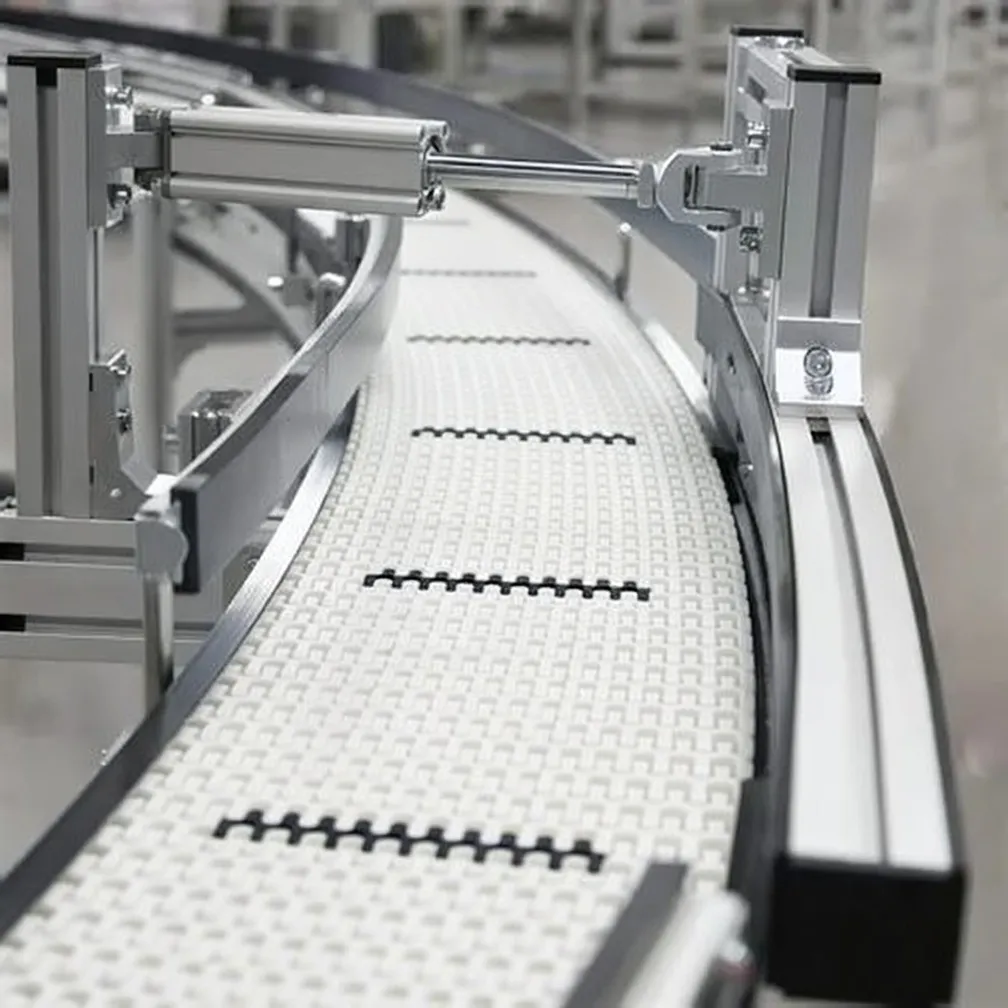
Πλαστικός αρθρωτός ιμάντας Ever Power εγκατεστημένος σε γραμμή μεταφοράς βαφείου αυτοκινήτων — παρέχοντας χημική αντοχή, ακριβή παρακολούθηση και γρήγορη πρόσβαση στη συντήρηση σε όλη τη διαδικασία φινιρίσματος.
Γιατί οι γραμμές μεταφοράς βαφής αυτοκινήτων απαιτούν μια εξειδικευμένη λύση με ιμάντα
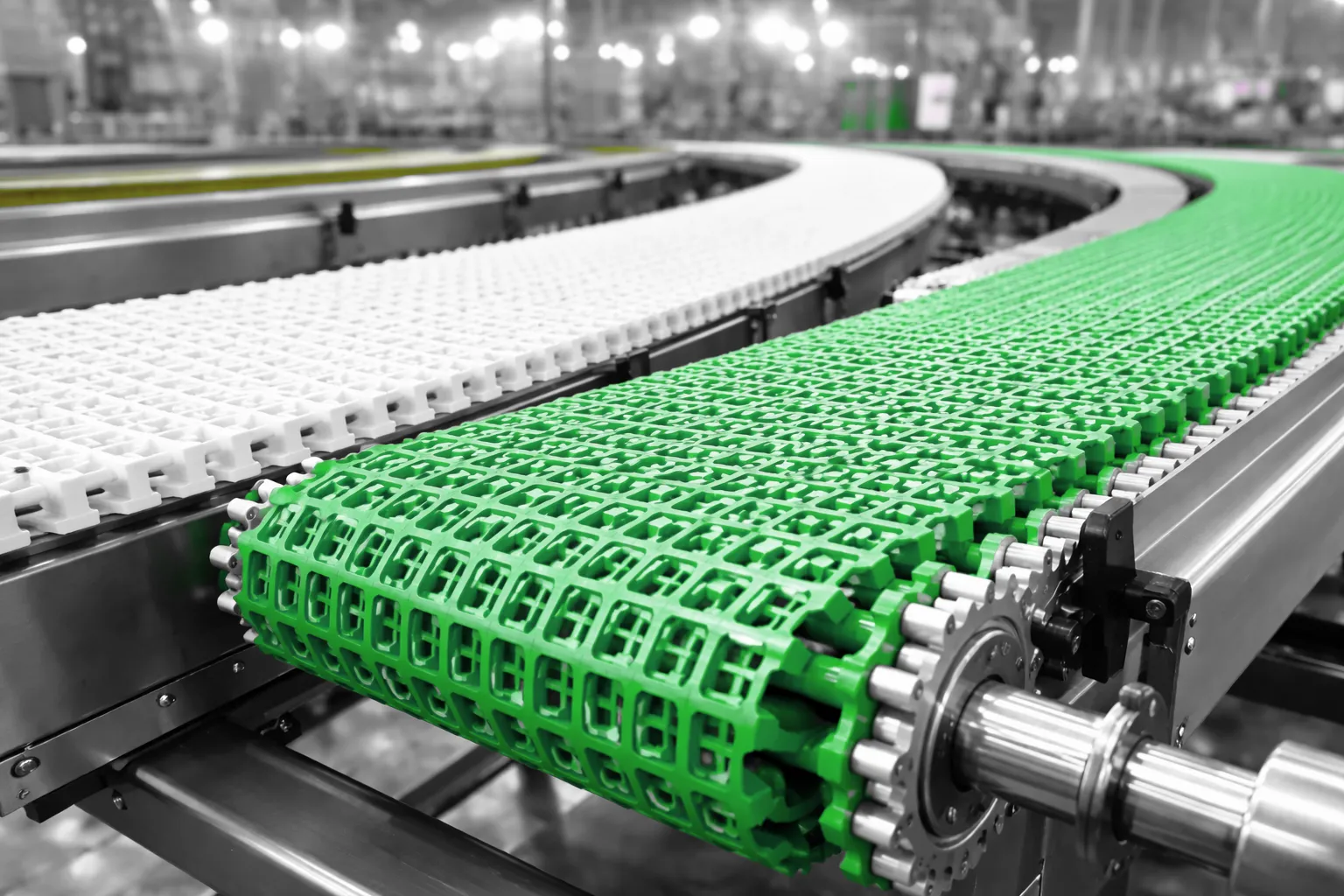 Το περιβάλλον μέσα σε ένα βαφείο αυτοκινήτων είναι ένα από τα πιο επιθετικά βιομηχανικά περιβάλλοντα που μπορεί να αντιμετωπίσει ένας μεταφορικός ιμάντας. Τα λουτρά προεπεξεργασίας φωσφορικών, οι δεξαμενές καθοδικής ηλεκτρονικής επίστρωσης, οι θάλαμοι ψεκασμού με διαλύτες και οι φούρνοι σκλήρυνσης υψηλής θερμοκρασίας - που συχνά λειτουργούν στους 170-200 °C - δημιουργούν ένα κοκτέιλ χημικής, θερμικής και μηχανικής καταπόνησης που θα καταστρέψει τα κακώς καθορισμένα υλικά του ιμάντα μέσα σε λίγους μήνες. Οι μηχανικοί που έχουν αφιερώσει χρόνο σε αυτά τα εργοστάσια γνωρίζουν ότι μια βλάβη του μεταφορικού ιμάντα κατά την εφαρμογή της βαφής δεν σταματά απλώς την παραγωγή: κινδυνεύει να μολύνει τα φρεσκοβαμμένα αμαξώματα οχημάτων και να προκαλέσει μια σειρά από έξοδα επανεπεξεργασίας που μπορούν να ανέλθουν σε δεκάδες χιλιάδες λίρες ανά περιστατικό.
Ο πλαστικός αρθρωτός ιμάντας αντιμετωπίζει αυτές τις προκλήσεις μέσω της επιστήμης των υλικών και όχι μέσω της ωμής μηχανικής αντοχής. Οι θερμοπλαστικές ρητίνες υψηλής απόδοσης - κυρίως πολυπροπυλένιο (PP), πολυαιθυλένιο (PE), ακετάλη (POM) και νάιλον (PA) - προσφέρουν έναν μοναδικό συνδυασμό ιδιοτήτων που τα συμβατικά υλικά ιμάντα απλά δεν μπορούν να συναγωνιστούν σε μια εφαρμογή μεταφορικού ιμάντα βαφής. Δεν σκουριάζουν, δεν απορροφούν τις επιθετικές χημικές ουσίες διεργασίας που χρησιμοποιούνται στα στάδια προεπεξεργασίας και σφράγισης, και οι επιλογές λείας, κλειστής ή ανοιχτής επιφάνειας μπορούν να επιλεγούν ώστε να ταιριάζουν στις συγκεκριμένες απαιτήσεις αποστράγγισης και στήριξης κάθε ζώνης κατά μήκος της γραμμής βαφής.
Πέρα από τη χημική σύνθεση, η αρθρωτή κατασκευή ενός πλαστικού αρθρωτού ιμάντα παρέχει ένα εγγενές μηχανικό πλεονέκτημα: ο ιμάντας μπορεί να διευρυνθεί, να στενέψει ή να αναδιαμορφωθεί χωρίς να αντικατασταθεί ολόκληρο το σύστημα ιμάντα. Σε ένα βαφείο όπου οι αλλαγές μοντέλων και η αναπροσαρμογή γραμμών συμβαίνουν τακτικά, αυτή η προσαρμοστικότητα αποτελεί ένα πραγματικό λειτουργικό πλεονέκτημα που μειώνει τόσο τις κεφαλαιουχικές δαπάνες όσο και τον χρόνο διακοπής λειτουργίας της μηχανικής.
Τεχνικό Υλικό & Παράμετροι Απόδοσης
Δεδομένα αναφοράς για τυπικές ποιότητες πλαστικών αρθρωτών ιμάντων που χρησιμοποιούνται σε περιβάλλοντα μεταφορικών ταινιών βαφείων αυτοκινήτων. Διατίθενται προσαρμοσμένες προδιαγραφές κατόπιν αιτήματος.
Εφαρμογή σε κάθε στάδιο: Πώς αποδίδει η πλαστική αρθρωτή ταινία σε όλο το βαφείο
Ένας μεταφορικός ιμάντας βαφής αυτοκινήτων δεν αποτελεί μία μόνο εφαρμογή — είναι μια ακολουθία έξι έως δέκα διακριτών ζωνών διεργασίας, καθεμία από τις οποίες επιβάλλει διαφορετικά μηχανικά, θερμικά και χημικά φορτία στον ιμάντα. Η επιλογή του σωστού πλαστικού αρθρωτού ιμάντα για κάθε ζώνη, αντί της εφαρμογής μιας ενιαίας λύσης σε ολόκληρη τη γραμμή, είναι το σήμα κατατεθέν ενός έμπειρου μηχανικού εφαρμογών και το κλειδί για την επίτευξη τόσο μακροζωίας του ιμάντα όσο και σταθερών αποτελεσμάτων ποιότητας βαφής.
Ζώνη 1 — Προεπεξεργασία & Φωσφάτωση
Οι ποιότητες πλαστικών αρθρωτών ιμάντων από πολυπροπυλένιο ή UHMW-PE υπερέχουν εδώ. Ο σχεδιασμός της επιφάνειας με ανοιχτό πλέγμα επιτρέπει στα φωσφορικά διαλύματα, το νερό έκπλυσης και τα χημικά απολίπανσης να στραγγίζουν ελεύθερα χωρίς να συσσωρεύονται στην επιφάνεια του ιμάντα. Η αντοχή στη διάβρωση είναι ύψιστης σημασίας — οι εναλλακτικές λύσεις χάλυβα αποικοδομούνται γρήγορα σε αυτά τα λουτρά.
Ζώνη 2 — Μπάνιο με ηλεκτροστατική επίστρωση (E-Coat)
Οι δεξαμενές ηλεκτρονικής επίστρωσης περιέχουν ηλεκτρικά φορτισμένη βαφή αιωρούμενη σε νερό. Ο πλαστικός αρθρωτός ιμάντας πρέπει να είναι ηλεκτρικά μη αγώγιμος για να αποφευχθεί η παρεμβολή στη διαδικασία εναπόθεσης. Όλες οι ποιότητες θερμοπλαστικών αρθρωτών ιμάντων είναι εγγενώς διηλεκτρικές, γεγονός που τις καθιστά τη σωστή επιλογή — ένας αλυσιδωτός μεταφορέας από χάλυβα εδώ διατρέχει τον κίνδυνο διαρροής ρεύματος και ανομοιόμορφου πάχους επίστρωσης.
Ζώνη 3 — Φούρνος σκλήρυνσης E-Coat (έως 200 °C)
Οι φούρνοι σκλήρυνσης υψηλής θερμοκρασίας απαιτούν εξειδικευμένες ποιότητες ιμάντα ενισχυμένου με νάιλον (PA) ή ενισχυμένου με υαλονήματα. Οι τυπικές ποιότητες PP δεν είναι κατάλληλες για θερμοκρασίες άνω των 105 °C και μια λανθασμένη προδιαγραφή εδώ είναι η πιο συνηθισμένη αιτία βλάβης του ιμάντα σε εφαρμογές βαφείου. Πάντα να επιβεβαιώνετε τη μέγιστη θερμοκρασία του φούρνου και τον χρόνο παραμονής πριν καθορίσετε το υλικό του ιμάντα.
Ζώνη 4 — Εφαρμογή στεγανωτικού και κάτω μέρους του αμαξώματος
Τα ρομπότ στεγανοποίησης και τα συστήματα επίστρωσης κάτω μέρους του αμαξώματος εναποθέτουν παχύρρευστα, ιξώδη υλικά. Η επιφάνεια του ιμάντα δεν πρέπει να απορροφά την υπερβολική ποσότητα ψεκασμού και οι παραλλαγές επιφάνειας επίπεδης επιφάνειας ή πλέγματος του πλαστικού αρθρωτού ιμάντα κάνουν τον καθαρισμό πολύ πιο εύκολο από τις εναλλακτικές λύσεις από καουτσούκ με υφή. Μια λεία άνω επιφάνεια μειώνει επίσης τον κίνδυνο μόλυνσης των φρέσκων επιφανειών ηλεκτρονικής επίστρωσης στο κάτω μέρος του οχήματος από το στεγανωτικό.
Ζώνη 5 — Θάλαμοι ψεκασμού ασταριού και τελικής επίστρωσης
Στους θαλάμους ψεκασμού, η παραγωγή σωματιδίων είναι ο εχθρός της ποιότητας του φινιρίσματος. Ο πλαστικός αρθρωτός ιμάντας ουσιαστικά δεν παράγει μεταλλικά υπολείμματα, ίνες ή νιφάδες σε σύγκριση με την χαλύβδινη αλυσίδα ή τους ελαστικούς ιμάντες. Το ελάχιστο προφίλ αποβολής σωματιδίων σημαίνει λιγότερες εγκλείσεις στην τελική επίστρωση — κάτι που μεταφράζεται άμεσα σε χαμηλότερα ποσοστά ελαττωμάτων και μειωμένη εργασία στίλβωσης στο τέλος της γραμμής.
Ζώνη 6 — Τελικός Έλεγχος & Πύλη Ποιότητας
Οι αρθρωτοί ιμάντες ακετάλης (POM), με την υψηλή ακαμψία και την εξαιρετική σταθερότητα διαστάσεων, προτιμώνται σε περιοχές επιθεώρησης και ελέγχου ποιότητας όπου απαιτείται ακριβής τοποθέτηση του οχήματος για αυτοματοποιημένα συστήματα όρασης ή χειροκίνητη επιθεώρηση. Η χαμηλή τάνυση και το σταθερό βήμα του πλαστικού αρθρωτού ιμάντα POM διασφαλίζουν επαναλήψιμη ακρίβεια τοποθέτησης με ακρίβεια ±1 mm.
Επτά βασικά πλεονεκτήματα σε σχέση με τα παραδοσιακά συστήματα μεταφοράς
Γιατί οι μηχανικοί αυτοκινήτων στο Ηνωμένο Βασίλειο προκρίνουν τον πλαστικό αρθρωτό ιμάντα αντί για εναλλακτικές λύσεις με χαλύβδινη αλυσίδα, ελαστικό ιμάντα ή μεταφορικό ιμάντα με λαμαρίνες.
🛡️
Πλήρης χημική αντοχή
Οι θερμοπλαστικές ρητίνες είναι ανθεκτικές στο φωσφορικό οξύ, τα καυστικά καθαριστικά, τα χρώματα με διαλύτη και τη χημεία των λουτρών ηλεκτρονικής επίστρωσης χωρίς υποβάθμιση ή αλλαγή διαστάσεων κατά τη διάρκεια της πολυετούς διάρκειας ζωής τους.
⚙️
Αντικατάσταση μονάδας χωρίς εργαλεία
Οι κατεστραμμένες ή φθαρμένες μονάδες αποκολλώνται και οι καινούργιες ασφαλίζουν χρησιμοποιώντας τυπικές μπιέλες — μια επισκευή που διαρκεί 15-20 λεπτά έναντι αρκετών ωρών για την αντικατάσταση της χαλύβδινης αλυσίδας ή τον βουλκανισμό του ελαστικού ιμάντα.
📏
Χαμηλή εκπομπή σωματιδίων
Χωρίς μεταλλικά προϊόντα διάβρωσης, χωρίς θραύσματα καουτσούκ, χωρίς αποκόλληση ινών. Η καθαρή λειτουργία του πλαστικού αρθρωτού ιμάντα μειώνει άμεσα τα ποσοστά ελαττωμάτων βαφής στις ζώνες του θαλάμου βαφής ελαχιστοποιώντας τις πηγές μόλυνσης.
🔧
Ρυθμιζόμενο πλάτος και επιφάνεια
Το πλάτος του ιμάντα μπορεί να διαμορφωθεί σε βήματα που ταιριάζουν με το βήμα της μονάδας. Τα προφίλ επιφάνειας με ανοιχτό πλέγμα, επίπεδη κορυφή, κορυφή τριβής και υπερυψωμένη νευρωση εξυπηρετούν διαφορετικές ζώνες βαφείου, από τα στάδια πλύσης έως τα καταστρώματα συναρμολόγησης.
💡
Ηλεκτρική μη αγωγιμότητα
Κρίσιμο σε εφαρμογές ηλεκτρονικής επίστρωσης. Όλες οι τυπικές θερμοπλαστικές αρθρωτές ιμάντες είναι διηλεκτρικές, αποτρέποντας τις διαδρομές αδέσποτων ρευμάτων που θα μπορούσαν να διαταράξουν την ομοιομορφία της επίστρωσης ή να δημιουργήσουν κινδύνους για την ασφάλεια κοντά σε δεξαμενές βαφής υψηλής τάσης συνεχούς ρεύματος.
📉
Χαμηλότερο συνολικό κόστος ιδιοκτησίας
Όταν αναλύεται σε ορίζοντα παραγωγής 5 ετών, ο πλαστικός αρθρωτός ιμάντας προσφέρει σταθερά χαμηλότερο συνολικό κόστος ιδιοκτησίας (TCO) από τα συστήματα χαλύβδινων αλυσίδων, γεγονός που εξηγεί το μειωμένο κόστος λίπανσης, τις λιγότερες επείγουσες επεμβάσεις συντήρησης και τον μεγαλύτερο μέσο χρόνο μεταξύ των αντικαταστάσεων.
🌱
Λειτουργία χωρίς λίπανση
Σε αντίθεση με τους αλυσομεταφορείς από χάλυβα που απαιτούν συχνή λίπανση — η οποία εισάγει κίνδυνο μόλυνσης από λάδι στους θαλάμους ψεκασμού — ο πλαστικός αρθρωτός ιμάντας λειτουργεί χωρίς νερό, εξαλείφοντας μια σημαντική πηγή επιφανειακών ελαττωμάτων και μειώνοντας το κανονιστικό βάρος γύρω από την απόρριψη λιπαντικών.
Ιστορία Επιτυχίας Πελάτη
Δεδομένα απόδοσης πραγματικού κόσμου από μια επαληθευμένη εγκατάσταση Ever Power
Προμηθευτής Αυτοκινήτων Κατηγορίας 1
Δυτικά Μίντλαντς, Αγγλία
Η Midlands Automotive Coachbuilder μειώνει το ποσοστό ελαττωμάτων χρώματος κατά 34% μετά τη μετάβαση σε πλαστική αρθρωτή ζώνη
Ένας εξειδικευμένος κατασκευαστής αμαξωμάτων αυτοκινήτων στα Δυτικά Μίντλαντς — που παρήγαγε αμαξώματα επαγγελματικών οχημάτων χαμηλού όγκου και υψηλών προδιαγραφών για έναν μεγάλο φορέα εκμετάλλευσης στόλου στο Ηνωμένο Βασίλειο — αντιμετώπιζε επαναλαμβανόμενα προβλήματα ποιότητας βαφής στα στάδια στεγανοποίησης και ασταρώματος. Η έρευνα αποκάλυψε ότι ο παλαιότερος χαλύβδινος ιμάντας μεταφοράς με λαμαρίνες δημιουργούσε μόλυνση από σωματίδια σιδήρου στους θαλάμους ψεκασμού, προκαλώντας ορατά εγκλείσματα στα πάνελ βασικής επίστρωσης που απαιτούσαν χειροκίνητο γυάλισμα και περιστασιακή απόρριψη των πάνελ.
Η Ever Power παρείχε μια πλήρη αντικατάσταση γραμμής χρησιμοποιώντας αρθρωτή πλαστική ταινία ανοιχτού πλέγματος PP για τα στάδια προεπεξεργασίας και πλύσης, μεταβαίνοντας σε επίπεδη επιφάνεια PP μέσω της ζώνης σφράγισης και σε ταινία PA υψηλής θερμοκρασίας μέσω του φούρνου σκλήρυνσης ασταριού. Η εγκατάσταση ολοκληρώθηκε κατά τη διάρκεια μιας προγραμματισμένης διακοπής λειτουργίας του εργοστασίου δύο εβδομάδων χωρίς μηδενικό μη προγραμματισμένο χρόνο διακοπής λειτουργίας.
Εντός του πρώτου τριμήνου λειτουργίας, ο πελάτης κατέγραψε μείωση κατά 34% στο ποσοστό ελαττωμάτων βαφής σταδίου ασταρώματος, μείωση κατά 22% στις ώρες εργασίας στίλβωσης και πλήρη εξάλειψη των παραπόνων μόλυνσης από σίδηρο που προηγουμένως απαιτούσαν μεταλλουργική ανάλυση από τρίτους σε κάθε επηρεαζόμενο πάνελ. Το κόστος συντήρησης για τη γραμμή μεταφοράς μειώθηκε κατά περίπου 18.000 £ ετησίως σε σύγκριση με το σύστημα χαλύβδινων πηχακιών, και ο σχεδιασμός της αρθρωτής ταινίας επέτρεψε στον πελάτη να αναδιαμορφώσει το πλάτος της ταινίας σε μία ζώνη για να φιλοξενήσει μια νέα ευρύτερη παραλλαγή οχήματος χωρίς να αγοράσει νέα υποδομή μεταφοράς.
«Η απόφαση να χρησιμοποιήσουμε πλαστική αρθρωτή ζώνη από την Ever Power ήταν απλή μόλις κατανοήσαμε τα δεδομένα μόλυνσης. Η μείωση των ελαττωμάτων και μόνο δικαίωσε την επένδυση εντός οκτώ μηνών. Μακάρι να είχαμε κάνει αυτή την αλλαγή τρία χρόνια νωρίτερα.»
— Διευθυντής Μηχανικής Εργοστασίου, Κατασκευαστής Αμαξωμάτων West Midlands (ταυτότητα που δεν αποκαλύπτεται κατόπιν αιτήματος πελάτη)
Τι λένε οι πελάτες μας
«Διαθέτουμε τρεις γραμμές βαφής στις εγκαταστάσεις μας στο Κόβεντρι και η πλαστική αρθρωτή ταινία Ever Power στα κυκλώματα ηλεκτρονικής επίστρωσης και ασταριού μας ουσιαστικά δεν χρειάζεται συντήρηση εδώ και δύο χρόνια. Η απόδοση της επένδυσης (ROI) ήταν εξαιρετική και η τεχνική υποστήριξη από την ομάδα τους στο Ηνωμένο Βασίλειο είναι εξαιρετική.»
— Διευθυντής Συντήρησης, Κατασκευαστής Ανταλλακτικών Αυτοκινήτων Επιπέδου 2, Κόβεντρι
«Ο καθορισμός του κατάλληλου ιμάντα για φούρνο σκλήρυνσης στους 185 °C ήταν κρίσιμος. Η ομάδα μηχανικών της Ever Power παρείχε δεδομένα υλικών, αποτελέσματα δοκιμών κύκλου θερμοκρασίας και καθοδήγηση εγκατάστασης πριν δεσμευτούμε για την παραγγελία. Αυτό το επίπεδο τεχνικού βάθους πριν από την πώληση είναι σπάνιο. Ο ιμάντας PA λειτουργεί εδώ και 18 μήνες χωρίς καμία βλάβη μονάδας.»
— Ανώτερος Μηχανικός Διεργασιών, Εργαστήριο Βαφής OEM, Σάντερλαντ
«Χρειαζόμασταν ένα προσαρμοσμένο πλάτος ιμάντα για να φιλοξενήσουμε μια πλατφόρμα οχήματος κατά παραγγελία που κανένα τυπικό προϊόν καταλόγου δεν θα μπορούσε να εξυπηρετήσει. Η Ever Power κατασκεύασε σύμφωνα με το ακριβές σχέδιό μας μέσα σε τέσσερις εβδομάδες και ο ιμάντας ταίριαξε τέλεια στην πρώτη εγκατάσταση. Η δυνατότητα κατασκευής κατά παραγγελία αποτελεί σημαντικό ανταγωνιστικό πλεονέκτημα για εμάς ως εξειδικευμένο παραγωγό χαμηλού όγκου.»
— Διευθυντής Λειτουργιών, Εξειδικευμένος Κατασκευαστής Οχημάτων, Γιορκσάιρ
Ever Power: Κατασκευή προσαρμοσμένων πλαστικών αρθρωτών ιμάντων για την αυτοκινητοβιομηχανία του Ηνωμένου Βασιλείου
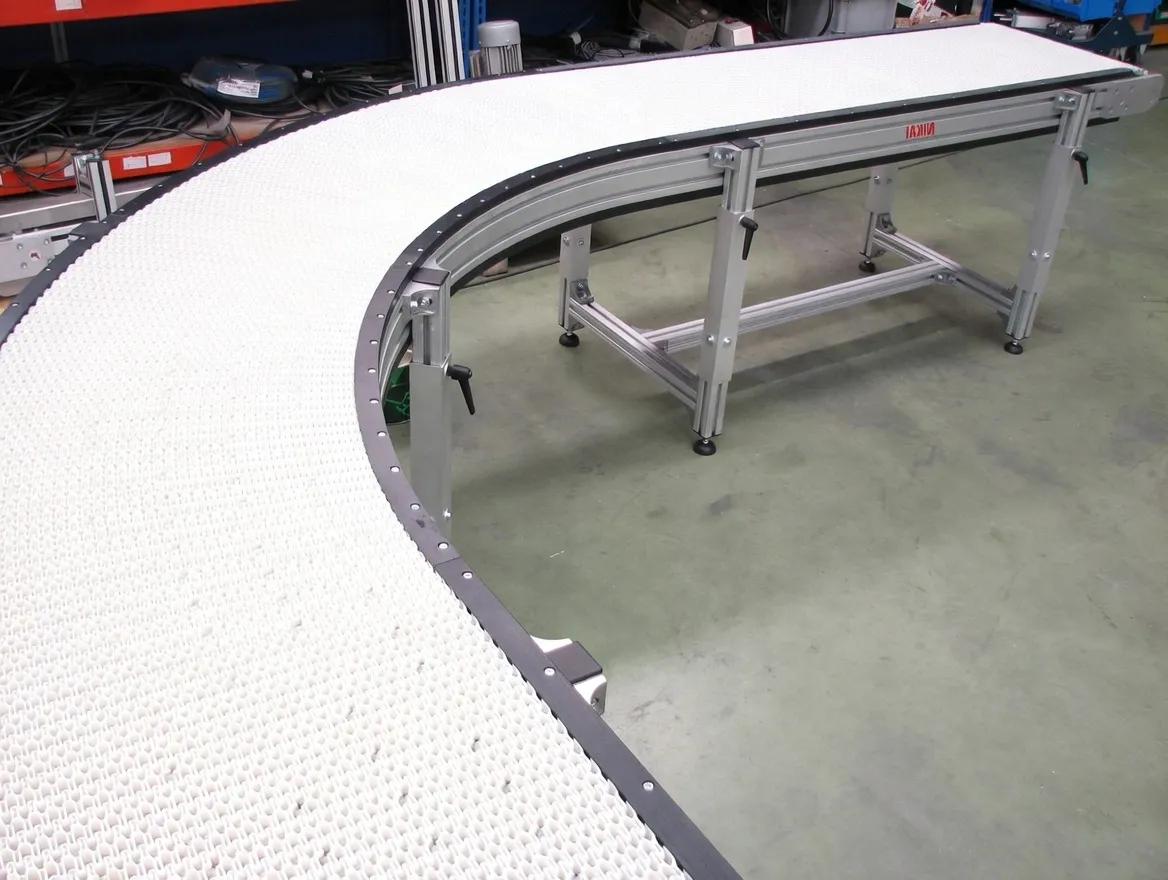 Δεν υπάρχουν δύο ίδιες γραμμές μεταφοράς σε βαφεία αυτοκινήτων. Οι θερμοκρασίες του φούρνου, τα μοτίβα φόρτωσης ιμάντα, η γεωμετρία του οχήματος, οι απαιτήσεις απόδοσης και οι περιορισμοί πρόσβασης στη συντήρηση διαφέρουν μεταξύ κάθε εγκατάστασης. Αυτός ακριβώς είναι ο λόγος για τον οποίο η Ever Power έχει επενδύσει σε ολοκληρωμένες δυνατότητες κατασκευής προσαρμοσμένων πλαστικών αρθρωτών ιμάντα που ξεπερνούν κατά πολύ την προμήθεια έτοιμων προϊόντων.
Στις εγκαταστάσεις παραγωγής μας, παράγουμε πλαστικές αρθρωτές ταινίες σε πλάτη, βήματα και προφίλ επιφάνειας που καθορίζονται από τον πελάτη, χρησιμοποιώντας θερμοπλαστικές μονάδες χυτευμένες με έγχυση, κατασκευασμένες από πιστοποιημένες πρώτες ύλες με πλήρη τεκμηρίωση ιχνηλασιμότητας υλικών. Η ομάδα μηχανικών μας προσφέρει ολοκληρωμένες υπηρεσίες αξιολόγησης εφαρμογών — από την αρχική ανάλυση διάταξης βαφείου και τον υπολογισμό φορτίου έως την προδιαγραφή ιμάντα, τη διαστασιολόγηση του συστήματος κίνησης και την υποστήριξη εγκατάστασης. Για πελάτες αυτοκινητοβιομηχανίας στο Ηνωμένο Βασίλειο που λειτουργούν σύμφωνα με τις απαιτήσεις διαχείρισης ποιότητας IATF 16949, παρέχουμε το πακέτο τεκμηρίωσης για την υποστήριξη των δραστηριοτήτων πιστοποίησης, συμπεριλαμβανομένων πιστοποιητικών υλικών, αναφορών διαστάσεων και δεδομένων ικανότητας διεργασίας, κατόπιν αιτήματος.
Παρέχουμε επίσης μονάδες άμεσης αντικατάστασης για συστήματα ιμάντων ανταγωνιστών, επιτρέποντας στους πελάτες να τυποποιήσουν το απόθεμα ανταλλακτικών τους και να απλοποιήσουν την προμήθεια χωρίς να απαιτείται πλήρης αναβάθμιση του μεταφορικού ιμάντα. Προσαρμοσμένα πλευρικά προστατευτικά, ταινίες φθοράς, χρώματα μονάδων για οπτική αναγνώριση ζωνών και αντιστατικές επεξεργασίες για ευαίσθητες ζώνες ψεκασμού είναι όλα διαθέσιμα ως εργοστασιακές επιλογές — όχι ως προσθήκες aftermarket. Όταν συνεργάζεστε με την Ever Power, συνεργάζεστε με έναν προμηθευτή που κατανοεί ότι ο πλαστικός αρθρωτός ιμάντας δεν είναι ένα βασικό εξάρτημα: είναι ένα προϊόν μηχανικής ακριβείας του οποίου οι προδιαγραφές επηρεάζουν άμεσα την ποιότητα κάθε οχήματος που βγαίνει από τη γραμμή βαφής σας.
Είστε έτοιμοι να επιλέξετε τον κατάλληλο πλαστικό ιμάντα για το βαφείο σας;
Στείλτε μας τη διάταξη του μεταφορικού ιμάντα, τις θερμοκρασίες ζώνης και τις απαιτήσεις απόδοσης — οι μηχανικοί μας θα σας απαντήσουν με μια σύσταση προδιαγραφών εντός 48 ωρών.
Εξυπηρετώντας τον Τομέα Αυτοκινητοβιομηχανίας του Ηνωμένου Βασιλείου
Το Ηνωμένο Βασίλειο διατηρεί μια σημαντική και τεχνικά εξελιγμένη βάση κατασκευής αυτοκινήτων, παρά τις καλά τεκμηριωμένες πιέσεις των τελευταίων ετών. Τα εργοστάσια συναρμολόγησης OEM στο Σάντερλαντ, την Οξφόρδη, το Σόλιχαλ, το Λούτον και το Έλσμερ Πορτ, μαζί με ένα πυκνό δίκτυο προμηθευτών αμαξωμάτων και εξαρτημάτων πρώτης και δεύτερης βαθμίδας, συγκεντρωμένα στα Δυτικά Μίντλαντς, το Γιορκσάιρ και τη Βορειοδυτική Αγγλία, αντιπροσωπεύουν συλλογικά μια σημαντική ζήτηση για εξαρτήματα μεταφορικών ταινιών υψηλής απόδοσης, κατάλληλα για απαιτητικά περιβάλλοντα βαφείων.
Η Ever Power προμηθεύει πλαστικές αρθρωτές ταινίες σε χειριστές βαφείων αυτοκινήτων σε όλες αυτές τις περιοχές, με τεχνική υποστήριξη που παρέχεται από μηχανικούς εφαρμογών που είναι εξοικειωμένοι με τις συγκεκριμένες απαιτήσεις παραγωγής της αυτοκινητοβιομηχανίας στο Ηνωμένο Βασίλειο — συμπεριλαμβανομένων των ιδιαίτερων προκλήσεων των εφαρμογών ανακαίνισης σε παλαιότερες εγκαταστάσεις όπου η γεωμετρία των μεταφορικών ταινιών ενδέχεται να μην συμμορφώνεται με τις τυπικές διαστάσεις, και τις απαιτήσεις συμμόρφωσης που ισχύουν σύμφωνα με τα πλαίσια σήμανσης REACH του Ηνωμένου Βασιλείου, CE/UKCA και τις σχετικές οδηγίες ασφάλειας μεταφορικών ταινιών της Εκτελεστικής Επιτροπής Υγείας και Ασφάλειας (HSE).
Οι χρόνοι παράδοσης για τους τυπικούς πλαστικούς αρθρωτούς ιμάντες καταλόγου σε πελάτες αυτοκινητοβιομηχανίας στο Ηνωμένο Βασίλειο είναι συνήθως 5-10 εργάσιμες ημέρες. Οι ιμάντες κατά παραγγελία προσφέρονται ανά έργο, με χρόνους παράδοσης από 3 έως 6 εβδομάδες ανάλογα με την πολυπλοκότητα της διαμόρφωσης. Διατηρείται απόθεμα μονάδων έκτακτης αντικατάστασης για τις πιο συνηθισμένες σειρές ιμάντα βαφής, για την υποστήριξη πελατών που αντιμετωπίζουν απρόβλεπτο χρόνο διακοπής λειτουργίας των μεταφορικών ταινιών.
Συχνές ερωτήσεις
Απαντήσεις στις πιο συχνές ερωτήσεις από ομάδες προμηθειών και μηχανικών αυτοκινήτων στο Ηνωμένο Βασίλειο.
Ποιο υλικό πλαστικού αρθρωτού ιμάντα είναι καταλληλότερο για φούρνο σκλήρυνσης ηλεκτρονικής επίστρωσης στους 185 °C σε βαφείο αυτοκινήτων στο Ηνωμένο Βασίλειο;
Για θερμοκρασίες φούρνου άνω των 120 °C, νάιλον ενισχυμένο με υαλονήματα (PA-GF) πλαστική αρθρωτή ζώνη είναι το συνιστώμενο υλικό. Οι τυπικές ποιότητες PA έχουν ονομαστική τιμή περίπου 120 °C συνεχούς λειτουργίας, αλλά οι παραλλαγές με ενίσχυση GF αντέχουν έως και 180–190 °C με ελάχιστη παραμόρφωση. Να επαληθεύετε πάντα τη μέγιστη θερμοκρασία του φούρνου και τον χρόνο παραμονής του ιμάντα πριν από τον καθορισμό — μια σύντομη θερμική απόκλιση στους 185 °C είναι μια πολύ διαφορετική μηχανική απαίτηση από μια συνεχή κατάσταση λειτουργίας στους 185 °C.
Πόσο κοστίζει ένα σύστημα πλαστικού αρθρωτού ιμάντα μεταφοράς για μια σειρά βαφείων αυτοκινήτων στο Ηνωμένο Βασίλειο και πού μπορώ να λάβω μια προσφορά;
Η τιμή ενός πλαστικού αρθρωτού συστήματος ιμάντα για έναν μεταφορικό ιμάντα βαφής αυτοκινήτων εξαρτάται από το πλάτος, το μήκος, τον τύπο επιφάνειας, την ποιότητα του υλικού και από το εάν περιλαμβάνονται τα εξαρτήματα κίνησης. Ως γενικός οδηγός, μια πλήρης προμήθεια ιμάντα για ένα κύκλωμα μεταφορικού ιμάντα ενός θαλάμου βαφής 30-50 μέτρων μπορεί να κυμαίνεται από 4.000 £ έως 18.000 £ ανάλογα με τις προδιαγραφές. Για μια ακριβή προσφορά που να αντικατοπτρίζει τις ακριβείς απαιτήσεις σας, επικοινωνήστε απευθείας με την Ever Power στη διεύθυνση [email protected].
Ποιος είναι ο τυπικός χρόνος παράδοσης για την προμήθεια ενός πλαστικού ιμάντα αρθρωτού τύπου προσαρμοσμένου πλάτους σε έναν κατασκευαστή αυτοκινήτων στα Δυτικά Μίντλαντς;
Για πλαστικές αρθρωτές ταινίες προσαρμοσμένου πλάτους που κατασκευάζονται σε μη τυποποιημένες διαστάσεις, ο τυπικός χρόνος παράδοσης από την επιβεβαιωμένη παραγγελία έως την παράδοση σε διεύθυνση στο Ηνωμένο Βασίλειο είναι 3 έως 6 εβδομάδες. Οι ιμάντες τυπικού πλάτους από την κανονική γκάμα προϊόντων μας είναι γενικά διαθέσιμοι εντός 5-10 εργάσιμων ημερών. Η προμήθεια μονάδων έκτακτης ανάγκης για περιπτώσεις συντήρησης μπορεί συχνά να επιταχυνθεί — μιλήστε με την ομάδα πωλήσεών μας σχετικά με τις επιλογές εάν αντιμετωπίζετε επείγουσα διακοπή λειτουργίας.
Μπορεί να χρησιμοποιηθεί πλαστικός αρθρωτός ιμάντας στο τμήμα της δεξαμενής εμβάπτισης ηλεκτρονικής επίστρωσης ενός μεταφορικού ιμάντα βαφής αυτοκινήτων και είναι ασφαλής κοντά σε συστήματα συνεχούς ρεύματος υψηλής τάσης;
Ναι — όλες οι τυπικές θερμοπλαστικές αρθρωτές ταινίες (PP, PA, POM, UHMW-PE) είναι ηλεκτρικά μη αγώγιμες και κατάλληλες για χρήση σε ή δίπλα σε κυκλώματα μεταφοράς δεξαμενών ηλεκτρονικής επίστρωσης. Η διηλεκτρική φύση αυτών των υλικών σημαίνει ότι δεν θα δημιουργήσουν διαδρομές αδέσποτων ρευμάτων που θα μπορούσαν να διαταράξουν την ομοιομορφία της επίστρωσης ή να παρουσιάσουν ηλεκτρικούς κινδύνους κοντά στα συστήματα συνεχούς ρεύματος υψηλής τάσης που χρησιμοποιούνται σε διαδικασίες καθοδικής ηλεκτροεπίστρωσης. Να επιβεβαιώνετε πάντα με τον προμηθευτή του συστήματος βαφής σας ότι δεν ισχύουν πρόσθετες απαιτήσεις γείωσης για την συγκεκριμένη εγκατάστασή σας.
Πώς βοηθά ο πλαστικός αρθρωτός ιμάντας στη μείωση των ελαττωμάτων μόλυνσης του χρώματος σε θαλάμους ψεκασμού αυτοκινήτων σε σύγκριση με τους αλυσομεταφορείς από χάλυβα;
Οι μεταφορικοί ιμάντες από χάλυβα με αλυσίδα παράγουν σωματίδια σιδηρούχου σιδήρου μέσω φθοράς και διάβρωσης μετάλλου-με-μέταλλο, ιδιαίτερα σε περιβάλλοντα όπου εκτίθενται σε χημικές ουσίες προεπεξεργασίας. Αυτά τα σωματίδια μεταφέρονται στον αέρα στα συστήματα κίνησης αέρα των θαλάμων ψεκασμού και εναποτίθενται σε φρεσκοβαμμένες επιφάνειες, προκαλώντας εγκλείσματα και ελαττώματα τύπου fisheye. Ο πλαστικός αρθρωτός ιμάντας δεν παράγει μεταλλικά υπολείμματα, παράγει ελάχιστα σωματίδια ακόμη και μετά από παρατεταμένη φθορά και δεν διαβρώνεται. Οι πελάτες που αλλάζουν από χαλύβδινη αλυσίδα σε πλαστικό αρθρωτό ιμάντα σε ζώνες θαλάμων ψεκασμού αναφέρουν συνήθως μετρήσιμες μειώσεις στα ποσοστά επιφανειακών ελαττωμάτων εντός του πρώτου τριμήνου παραγωγής.
Πού μπορώ να βρω έναν αξιόπιστο προμηθευτή πλαστικών αρθρωτών ιμάντων στο Ηνωμένο Βασίλειο, ο οποίος μπορεί επίσης να παρέχει επιτόπια υποστήριξη εγκατάστασης για έργα μεταφορικών ταινιών βαφής αυτοκινήτων;
Η Ever Power προμηθεύει πλαστικές αρθρωτές ζώνες σε συνεργεία βαφής αυτοκινήτων σε όλο το Ηνωμένο Βασίλειο, από εγκαταστάσεις OEM στο Sunderland και το Swindon έως εξειδικευμένους κατασκευαστές αμαξωμάτων στα Midlands και το Yorkshire. Παρέχουμε τεχνικές συμβουλές πριν από το έργο, υποστήριξη προδιαγραφών ιμάντα, τεκμηρίωση υλικών και συμμόρφωσης και μπορούμε να συντονίσουμε επιτόπια καθοδήγηση εγκατάστασης για νέες εγκαταστάσεις ή έργα ανακαίνισης. Επικοινωνήστε μαζί μας στη διεύθυνση [email protected] για να συζητήσουμε το έργο σας.
Καθορίστε τον κατάλληλο πλαστικό αρθρωτό ιμάντα για τη γραμμή μεταφοράς του βαφείου σας
Στείλτε τις τεχνικές σας απαιτήσεις στην ομάδα μηχανικών εφαρμογών της Ever Power. Θα εξετάσουμε τη διάταξη του μεταφορικού σας ιμάντα, τις θερμοκρασίες διεργασίας και τους στόχους απόδοσης και θα σας απαντήσουμε με μια πλήρη σύσταση προδιαγραφών — χωρίς κόστος.
✉ Στείλτε μας email: [email protected]
Ever Power · Ειδικοί σε πλαστικούς αρθρωτούς ιμάντες · Ηνωμένο Βασίλειο
επεξεργασία από gzl