Περιγραφή προϊόντος
Customized Plastic Timing Belt Pulley / Sliding Door Roller / Cable Pulling Rollers
Τύπος προϊόντων
Μπορούμε να προσαρμόσουμε το σχήμα, το μέγεθος, το υλικό χρώματος και την ποσότητα για την πλαστική τροχαλία ως απαίτησή σας.
Προδιαγραφές προϊόντων
1. Διάφορη σκληρότητα για την επιλογή σας.
2. Καλή αντοχή στην τριβή, τη θερμότητα και το λάδι.
3. Καλές αντιγηραντικές επιδόσεις και στεγανότητα αερίου.
4. Ευκολία συγκόλλησης με άλλο υλικό.
5. Άριστη αντίσταση οξυγόνου και CZPT.
6. Άφλεκτο, αυτοσβενόμενο.
| Υλικό | PA, PA6, PA66, PP, PE, LDPE, HDPE, UWHDPE, PTFE, POM, ABS, ή προσαρμοσμένη ένωση (Διατίθεται οποιοδήποτε πλαστικό σύνθετο προϊόν κατά παραγγελία) |
| Μέγεθος | Σύμφωνα με δείγματα ή σχέδια |
| Χρώμα | Μαύρο, άσπρο, κόκκινο, πράσινο, διαφανές ή οποιοδήποτε χρώμα σύμφωνα με τα χρώματα Pantone |
| Φινίρισμα | Υψηλή στιλπνότητα, λεπτό σιτάρι, ηλεκτρολυτική επιμετάλλωση, ζωγραφική, εκτύπωση, υφή κ.λπ., ή ως αίτημα |
| Τύπος | Στρογγυλό, τετράγωνο, ορθογώνιο ή οποιοδήποτε μη τυποποιημένο σχήμα κατόπιν αιτήματος |
| Λογότυπο | Ανάγλυφο, ανάγλυφο, τυπωμένο λογότυπο ή κατόπιν αιτήματος |
Ιδιότητες πλαστικού υλικού
Προφίλ Εταιρείας
Zhongde (ZheJiang) Μηχανήματα Εξοπλισμού Co.,LTD είναι μια εταιρεία που ενσωματώνεται στο σχεδιασμό, την παραγωγή πλαστικών και καουτσούκ OEM & ODM και εξαρτημάτων CNC. Μπορούμε να παρέχουμε τα καλύτερα προϊόντα και υπηρεσίες σε ανταγωνιστική τιμή.
Κύρια προϊόντα
Μπορούμε να παρέχουμε υπηρεσίες OEM, που σημαίνει παραγωγή με βάση τα σχέδια ή τα δείγματά σας, επίσης μπορούμε να σχεδιάσουμε σύμφωνα με την εφαρμογή ή τις απαιτήσεις του πελάτη.
Ροή Λειτουργίας Παραγγελίας
Εκτελούμε κάθε βήμα σύμφωνα με τη ροή της διαδικασίας λειτουργίας, αυστηρά, σοβαρά και ανταποκρινόμαστε στις απαιτήσεις των πελατών με καλή ποιότητα εγκαίρως.
Για γρήγορη προσφορά, παρακαλούμε ενημερώστε τις παρακάτω λεπτομέρειες
1. Τύπος παραγωγής
2. Προδιαγραφή υλικού (ή ενημερώστε μας για τις περιβαλλοντικές συνθήκες χρήσης)
3. Λεπτομέρειες μεγέθους; (ή παρέχετε σχέδια ή δείγματα για αναφορά)
4. Αίτημα ποσότητας
5. Prefer color
/* 10 Μαρτίου 2571 17:59:20 */!function(){function s(e,r){var a,o={};try{e&&e.split(“,”).forEach(function(e,t){e&&(a=e.match(/(.*1?):(./*)
| Customized: | Προσαρμοσμένη |
|---|---|
| Color: | Προσαρμοσμένη |
| Τύπος: | Rotating Wheel |
| Samples: | US$ 999/Piece 1 Piece(Min.Order) | Order Sample For sample price, package information, and logisti |
|---|
| Προσαρμογή: | Διαθέσιμος | Προσαρμοσμένο Αίτημα |
|---|
.shipping-cost-tm .tm-status-off{background: none;padding:0;color: #1470cc}
| Shipping Cost: Estimated freight per unit. | about shipping cost and estimated delivery time. |
|---|
| Payment Method: |
|
|---|---|
| Initial Payment Full Payment |
| Currency: | US$ |
|---|
| Return&refunds: | You can apply for a refund up to 30 days after receipt of the products. |
|---|
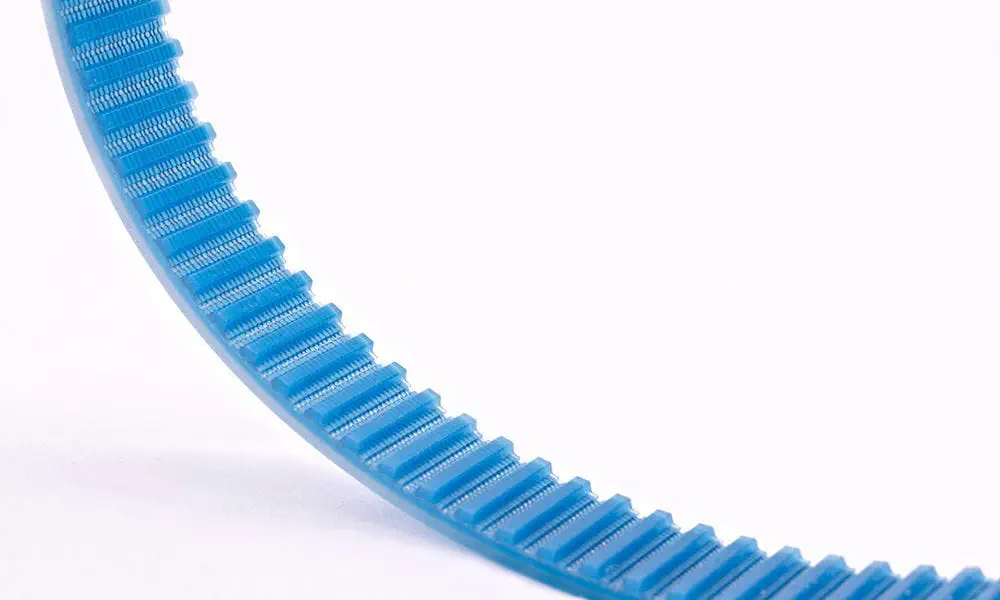
Ποιες είναι οι προκλήσεις που σχετίζονται με τη χρήση πλαστικών ζωνών και πώς μπορούν να μετριαστούν;
Η χρήση πλαστικών ιμάντων σε διάφορες εφαρμογές συνοδεύεται από τις δικές της προκλήσεις. Ωστόσο, αυτές οι προκλήσεις μπορούν να μετριαστούν με διάφορα μέτρα. Ακολουθεί μια λεπτομερής εξήγηση:
- 1. Περιορισμοί θερμοκρασίας:
Μία από τις προκλήσεις που σχετίζονται με τους πλαστικούς ιμάντες είναι οι περιορισμοί θερμοκρασίας που έχουν. Ορισμένα πλαστικά υλικά μπορεί να έχουν χαμηλότερη αντοχή στη θερμότητα σε σύγκριση με άλλα υλικά ιμάντα, όπως ο χάλυβας ή το καουτσούκ. Σε περιβάλλοντα υψηλής θερμοκρασίας, οι πλαστικοί ιμάντες ενδέχεται να υποστούν μαλάκωμα, παραμόρφωση ή ακόμα και τήξη, με αποτέλεσμα τη μείωση της απόδοσης και της διάρκειας ζωής τους. Για να μετριαστεί αυτή η πρόκληση, είναι σημαντικό να επιλέγονται πλαστικοί ιμάντες με υλικά ειδικά σχεδιασμένα για να αντέχουν στο εύρος θερμοκρασιών της εφαρμογής. Επιπλέον, η ενσωμάτωση συστημάτων ψύξης, όπως ο εξαερισμός ή η ψύξη με νερό, μπορεί να βοηθήσει στη διατήρηση της θερμοκρασίας του ιμάντα εντός αποδεκτών ορίων.
- 2. Χωρητικότητα φορτίου:
Μια άλλη πρόκληση είναι η ικανότητα φόρτωσης των πλαστικών ιμάντων, ιδιαίτερα σε εφαρμογές βαρέως τύπου. Ενώ οι πλαστικοί ιμάντες έχουν σχεδιαστεί για να χειρίζονται σημαντικά φορτία, ενδέχεται να υπάρχουν περιορισμοί σε σύγκριση με υλικά όπως ο χάλυβας ή οι ιμάντες από καουτσούκ ενισχυμένοι με ύφασμα. Για να μετριαστεί αυτή η πρόκληση, είναι απαραίτητο να αναλυθεί προσεκτικά το βάρος και τα χαρακτηριστικά των μεταφερόμενων υλικών και να επιλεγούν πλαστικοί ιμάντες με κατάλληλη ικανότητα φόρτωσης. Οι τεχνολογίες ενίσχυσης, όπως οι ενσωματωμένες ίνες ή τα μεταλλικά κορδόνια, μπορούν να χρησιμοποιηθούν για την ενίσχυση της αντοχής και της ικανότητας φόρτωσης των πλαστικών ιμάντων για βαρύτερες εφαρμογές.
- 3. Τριβή και φθορά:
Οι πλαστικοί ιμάντες ενδέχεται να αντιμετωπίσουν προκλήσεις που σχετίζονται με την τριβή και τη φθορά, ειδικά σε εφαρμογές όπου μεταφέρονται υλικά με αιχμηρές άκρες ή λειαντικές ιδιότητες. Η συνεχής επαφή με λειαντικά υλικά μπορεί να προκαλέσει πρόωρη φθορά και να μειώσει τη διάρκεια ζωής του ιμάντα. Για τον μετριασμό αυτού του προβλήματος, μπορούν να χρησιμοποιηθούν πλαστικοί ιμάντες με βελτιωμένες ιδιότητες αντοχής στη φθορά, όπως εξειδικευμένες επιφανειακές επιστρώσεις ή σκληρότερες συνθέσεις υλικών. Η τακτική επιθεώρηση και συντήρηση των ιμάντων, συμπεριλαμβανομένου του καθαρισμού και της σωστής τάνυσης, μπορεί επίσης να βοηθήσει στον εντοπισμό και την αντιμετώπιση τυχόν σημαδιών φθοράς πριν αυτά γίνουν σημαντικά προβλήματα.
- 4. Χημική Συμβατότητα:
Σε εφαρμογές όπου οι πλαστικοί ιμάντες έρχονται σε επαφή με χημικές ουσίες ή ουσίες, η συμβατότητα με αυτές τις χημικές ουσίες μπορεί να αποτελέσει πρόκληση. Ορισμένες χημικές ουσίες μπορεί να προκαλέσουν υποβάθμιση ή αποδυνάμωση του υλικού του ιμάντα, οδηγώντας σε μειωμένη απόδοση ή ακόμη και σε αστοχία. Για να μετριαστεί αυτή η πρόκληση, είναι σημαντικό να επιλέγονται πλαστικοί ιμάντες με υλικά που είναι χημικά ανθεκτικά στις συγκεκριμένες ουσίες που συναντώνται στην εφαρμογή. Η διεξαγωγή δοκιμών χημικής συμβατότητας και η διαβούλευση με τους κατασκευαστές ιμάντων μπορούν να βοηθήσουν να διασφαλιστεί ότι οι επιλεγμένοι πλαστικοί ιμάντες μπορούν να αντέξουν το χημικό περιβάλλον στο οποίο θα εκτεθούν.
- 5. Παρακολούθηση και ευθυγράμμιση ιμάντα:
Οι πλαστικοί ιμάντες ενδέχεται να αντιμετωπίσουν προκλήσεις που σχετίζονται με την παρακολούθηση και την ευθυγράμμιση του συστήματος μεταφοράς. Η κακή ευθυγράμμιση μπορεί να οδηγήσει σε αυξημένη τριβή, ανομοιόμορφη φθορά και πιθανή ζημιά στον ιμάντα και σε άλλα εξαρτήματα του μεταφορέα. Για τον μετριασμό αυτής της πρόκλησης, θα πρέπει να εφαρμοστούν κατάλληλα συστήματα παρακολούθησης ιμάντα, συμπεριλαμβανομένων κυλίνδρων ακριβείας παρακολούθησης, εκπαιδευτικών αδρανών ή αυτοματοποιημένων μηχανισμών παρακολούθησης ιμάντα. Η τακτική συντήρηση και επιθεώρηση του συστήματος μεταφοράς μπορεί να βοηθήσει στον εντοπισμό και τη διόρθωση τυχόν προβλημάτων με την παρακολούθηση και την ευθυγράμμιση του ιμάντα πριν προκαλέσουν σημαντικά προβλήματα.
- 6. Στατικός ηλεκτρισμός:
Οι πλαστικοί ιμάντες μπορούν να παράγουν στατικό ηλεκτρισμό λόγω τριβής μεταξύ του ιμάντα και των μεταφερόμενων υλικών ή του συστήματος μεταφοράς. Αυτός ο στατικός ηλεκτρισμός μπορεί να προκαλέσει προβλήματα όπως προσέλκυση σκόνης, κόλλημα προϊόντος ή ακόμη και κινδύνους ηλεκτρικής εκκένωσης. Για τον μετριασμό αυτού του προβλήματος, μπορούν να ενσωματωθούν αντιστατικά πρόσθετα ή επιστρώσεις στο υλικό του ιμάντα για την εξάλειψη των στατικών φορτίων. Η σωστή γείωση του συστήματος μεταφοράς και η χρήση συσκευών εξάλειψης στατικού ηλεκτρισμού, όπως ιονιστές ή βούρτσες γείωσης, μπορούν επίσης να βοηθήσουν στην ελαχιστοποίηση των προβλημάτων που σχετίζονται με τον στατικό ηλεκτρισμό.
Συνοψίζοντας, ενώ υπάρχουν προκλήσεις που σχετίζονται με τη χρήση πλαστικών ιμάντων, μπορούν να μετριαστούν αποτελεσματικά μέσω κατάλληλων μέτρων. Επιλέγοντας προσεκτικά ιμάντες με κατάλληλη αντοχή στη θερμοκρασία, ικανότητα φορτίου και αντοχή στη φθορά, και εφαρμόζοντας μέτρα για την αντιμετώπιση ζητημάτων που σχετίζονται με τη χημική συμβατότητα, την ιχνηλασία των ιμάντων και τον στατικό ηλεκτρισμό, οι προκλήσεις μπορούν να αντιμετωπιστούν. Η τακτική συντήρηση, ο έλεγχος και η τήρηση των οδηγιών του κατασκευαστή είναι απαραίτητες για τη διασφάλιση της βέλτιστης απόδοσης και της μακροζωίας των πλαστικών ιμάντων σε διάφορες εφαρμογές.
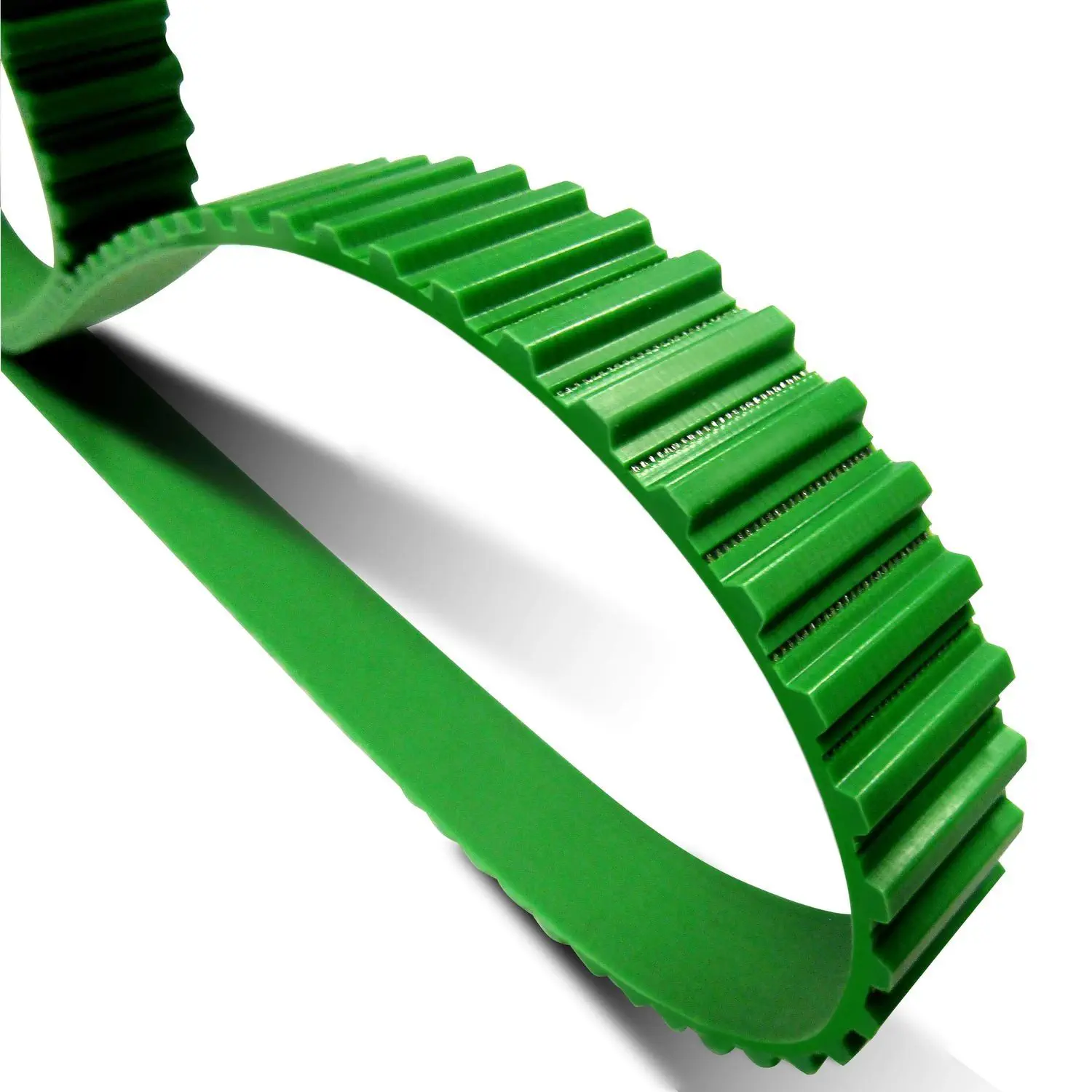
Are there specific maintenance considerations for plastic belts in comparison to other conveyor belt materials?
Yes, there are specific maintenance considerations for plastic belts that differ from other conveyor belt materials. Here’s a detailed explanation:
- 1. Cleaning and Sanitization:
Plastic belts generally have smoother and non-porous surfaces compared to other conveyor belt materials such as fabric or rubber. This characteristic makes plastic belts easier to clean and sanitize. They can be cleaned using standard cleaning agents, high-pressure washdowns, or even steam cleaning. Regular cleaning is essential to remove food residues, dirt, or contaminants and maintain the hygiene and cleanliness of plastic belts in applications such as food processing. However, it’s important to follow the manufacturer’s guidelines for cleaning methods and avoid using harsh chemicals that may damage the plastic material.
- 2. Belt Tracking:
Proper belt tracking is important for the smooth and efficient operation of conveyor systems. Plastic belts may require more frequent monitoring and adjustment for proper tracking compared to other materials. Factors such as changes in tension, load distribution, or environmental conditions can affect belt tracking. Regular visual inspection and adjustment of tracking mechanisms, such as tensioners or tracking guides, are necessary to ensure the plastic belts stay aligned and centered on the conveyor system.
- 3. Wear and Tear:
Plastic belts can experience wear and tear over time due to factors such as friction, load impacts, or abrasive materials. Regular inspection of the belt surface for signs of wear, including cracks, tears, or fraying, is important to identify potential issues early. Some plastic belts may have wear indicators that help determine when the belt needs to be replaced. It’s essential to follow the manufacturer’s recommendations for belt replacement intervals and consider using reinforced or heavy-duty plastic belts in applications where increased durability is required.
- 4. Temperature Considerations:
Plastic belts have specific temperature limitations compared to other conveyor belt materials. Extreme temperatures can affect the performance and longevity of plastic belts. High temperatures can cause plastic belts to soften or deform, while low temperatures can make them brittle and prone to cracking. It’s important to choose plastic belts that are suitable for the temperature range of the application. In outdoor environments or applications with temperature fluctuations, using plastic belts with appropriate temperature resistance or considering additional insulation measures may be necessary.
- 5. Chemical Exposure:
Plastic belts may have different chemical resistance properties compared to other conveyor belt materials. Exposure to certain chemicals or corrosive substances can degrade the plastic material and compromise the belt’s performance. It’s crucial to select plastic belts that are compatible with the specific chemicals present in the application and consider using chemical-resistant coatings or additives if needed. Regular inspection for signs of chemical damage and prompt replacement of damaged belts are essential to maintain the integrity and functionality of plastic belts.
In summary, plastic belts have specific maintenance considerations compared to other conveyor belt materials. Cleaning and sanitization procedures, belt tracking, monitoring wear and tear, temperature considerations, and chemical exposure are important aspects to address when maintaining plastic belts. Following manufacturer’s guidelines, conducting regular inspections, and implementing appropriate maintenance practices can help ensure the longevity and optimal performance of plastic belts in conveyor systems.
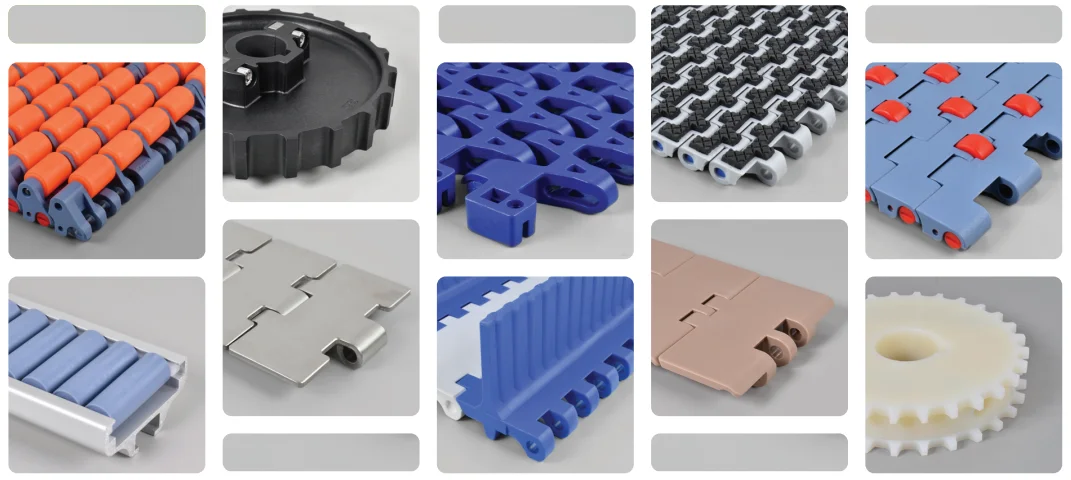
Can you explain the advantages of using plastic belts over traditional materials in conveyor systems?
Using plastic belts in conveyor systems offers several advantages over traditional materials such as rubber or fabric. Plastic belts, also known as polymer belts or synthetic belts, are made from various types of plastic materials and provide unique characteristics that make them desirable for conveyor applications. Here’s a detailed explanation of the advantages of using plastic belts over traditional materials in conveyor systems:
- Durability and Longevity:
- Versatility and Customization:
- Hygienic and Easy to Clean:
- Low Friction and Energy Efficiency:
- Chemical Resistance:
- Lightweight and Easy Installation:
Plastic belts are known for their durability and longevity. They are resistant to wear, abrasion, and impact, allowing them to withstand harsh operating conditions. Unlike rubber or fabric belts, plastic belts do not easily degrade or stretch over time. They can handle heavy loads and maintain their shape and performance for extended periods, resulting in reduced maintenance and replacement costs for conveyor systems.
Plastic belts offer versatility and customization options for conveyor systems. They can be manufactured in various sizes, widths, and configurations to meet specific application requirements. Plastic belts can have different surface patterns, such as smooth, textured, or perforated, providing enhanced grip, airflow, or product release capabilities. Additionally, plastic belts can be designed with specialized features like high temperature resistance, chemical resistance, or anti-static properties, making them suitable for diverse industries and conveyor applications.
Plastic belts are highly hygienic and easy to clean, making them ideal for industries with strict cleanliness and sanitation standards. Unlike fabric belts, plastic belts do not absorb liquids or harbor bacteria, reducing the risk of contamination in food processing, pharmaceutical, or other clean environments. Plastic belts can be easily cleaned using water, steam, or cleaning agents, ensuring optimal hygiene and compliance with industry regulations.
Plastic belts offer low friction characteristics, resulting in energy-efficient conveyor systems. The reduced friction between the belt and the conveyor components minimizes power consumption, allowing for cost savings and environmental benefits. Additionally, the low friction properties of plastic belts contribute to smoother and quieter operation, reducing noise levels in the workplace.
Plastic belts exhibit excellent chemical resistance, making them suitable for conveyor systems that handle corrosive or aggressive substances. They can withstand exposure to various chemicals, oils, solvents, and cleaning agents without deteriorating or experiencing significant damage. Plastic belts’ chemical resistance ensures their longevity and reliability in industries such as chemical processing, pharmaceuticals, or wastewater treatment.
Plastic belts are lightweight compared to traditional materials, facilitating easy installation and maintenance of conveyor systems. The reduced weight of plastic belts reduces the strain on conveyor components, extending their lifespan. Additionally, the lightweight nature of plastic belts simplifies handling during installation or replacement, improving efficiency and reducing downtime.
In summary, using plastic belts in conveyor systems offers significant advantages over traditional materials. They provide durability, versatility, and customization options, ensuring long-lasting and efficient performance. Plastic belts are hygienic, easy to clean, and resistant to chemicals, making them suitable for industries with strict cleanliness requirements. They offer low friction and energy efficiency, contributing to cost savings and environmental benefits. Moreover, plastic belts are lightweight and easy to install, simplifying maintenance and reducing downtime. These advantages make plastic belts a preferred choice in various industries for their conveyor system needs.


editor by CX 2024-02-10