
Περιγραφή προϊόντος
Product Details
Description
- OEM size suit for customers’ requirment
- Multiple color can be choosed
- Engraved or embossed logo accepted
- Large order quantity are CZPT to be fulfilled
- Strict quality control system
- In time delivery and thoughtful custom-service
- Certification: SGS, GB/T 19001-2016, ISO9001:2005
| Service | Product & Mold Design and Making,Material Modification,Surface Treatment,Assembly,Custom Packaging |
| Τεχνολογία | Injection molding, CNC machining, Extrusion, vacuum forming, Compression molding, Over molding&insert molding |
| Υλικό | Rubber silicone plastic metal Nylon ,mc nylon, POM,ABS,PU,PP,PE,PTFE,UHMWPE,HDPE,LDPE, PVC,etc. |
| Χρώμα | any color according to Pantone code |
| Μέγεθος | Σύμφωνα με τις απαιτήσεις του πελάτη |
| Additives | UV absorbers, Flame retardants, Plasticizers, Colorants, Carbon fibers, Glass fibers |
| Επιφανειακή επεξεργασία | Glossy, Semi-gloss, Matte, Textured finish, As-machined |
| Biggest Part Size | 1500*1500*1000mm |
| Tolerance | 0.01mm–0.001mm |
| Product Volume | 50,000,000 Pcs/Month |
| Drawing Format | 2D Drawing: PDF/JPG/PNG 3D Drawing: STEP/STP/IGS/DXF/DWG |
| Packaging | Can be customized packaging |
| Αποστολή | Έχουμε μακροπρόθεσμη συνεργασία με διεθνή ναυτιλιακό πράκτορα και εταιρεία express, έτσι ώστε να εξασφαλίζεται η ασφάλεια της αποστολής και ο χρόνος άφιξης. |
| Εφαρμογή | Αυτοκίνητο, ATV, Μηχανολογικός εξοπλισμός, Κατασκευές, Οικιακές συσκευές, Αεροπορία, Εγκαταστάσεις γραφείων, γεωργία, κ.λπ. |
Our Factory
Customization Capabilities
/* 10 Μαρτίου 2571 17:59:20 */!function(){function s(e,r){var a,o={};try{e&&e.split(“,”).forEach(function(e,t){e&&(a=e.match(/(.*1?):(./*)
| Μεγέθη τροχαλιών: | Type D |
|---|---|
| Διαδικασία Παραγωγής: | Σφυρηλάτηση |
| Υλικό: | Plastic |
| Samples: | US$ 999/Piece 1 Piece(Min.Order) | Order Sample For sample price, package information, and logisti |
|---|
| Προσαρμογή: | Διαθέσιμος | Προσαρμοσμένο Αίτημα |
|---|
.shipping-cost-tm .tm-status-off{background: none;padding:0;color: #1470cc}
| Shipping Cost: Estimated freight per unit. | about shipping cost and estimated delivery time. |
|---|
| Payment Method: |
|
|---|---|
| Initial Payment Full Payment |
| Currency: | US$ |
|---|
| Return&refunds: | You can apply for a refund up to 30 days after receipt of the products. |
|---|
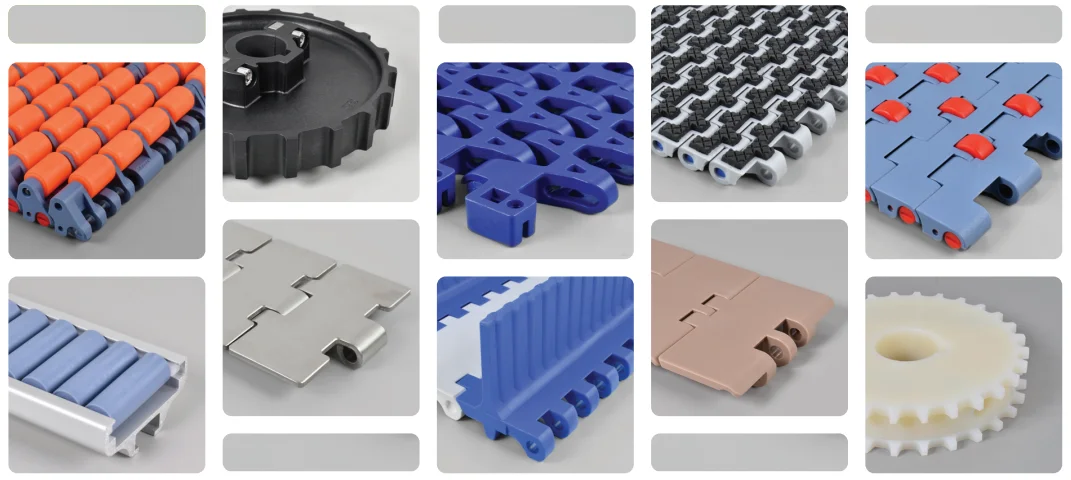
Can you provide insights into the future trends and developments in plastic belt technology for industrial conveyance?
Plastic belt technology for industrial conveyance is continuously evolving, driven by advancements in materials science, manufacturing processes, and industry demands. Here are some insights into the future trends and developments in plastic belt technology:
- 1. Βελτιωμένες Συνθέσεις Υλικών:
Future developments in plastic belt technology will likely involve the development of advanced material formulations with improved properties. Manufacturers are investing in research and development to enhance the strength, durability, and wear resistance of plastic belts. These developments may include the use of new polymers, additives, and reinforcement materials to create belts that can withstand higher loads, temperatures, and abrasive environments.
- 2. Increased Customization:
Customization is becoming a significant trend in plastic belt technology. Conveyor systems are used in a wide range of industries with varying requirements, and customization allows for tailored solutions. In the future, plastic belt manufacturers may offer a wider range of customization options, such as belt width, surface patterns, and specialized coatings, to meet specific application needs. This trend will enable optimized performance, improved efficiency, and reduced maintenance for industrial conveyance systems.
- 3. Integration of Smart Technologies:
Smart technologies are increasingly being integrated into industrial systems, and plastic belt technology is no exception. In the future, plastic belts may incorporate sensors, data collection devices, and connectivity features to enable real-time monitoring and analysis of belt performance. This integration of smart technologies will allow for predictive maintenance, early fault detection, and optimization of conveyor system efficiency. The data collected from the belts can be used to optimize operations, reduce downtime, and improve overall productivity.
- 4. Focus on Sustainability:
Sustainability is a growing concern in the industrial sector, and future developments in plastic belt technology will likely reflect this trend. Manufacturers are exploring ways to reduce the environmental impact of plastic belts by incorporating recycled materials, adopting more sustainable manufacturing processes, and improving end-of-life management. Additionally, there may be an increased emphasis on designing belts that are lighter in weight, energy-efficient, and recyclable, thus further enhancing the sustainability profile of plastic belt technology.
- 5. Advancements in Joining and Splicing Techniques:
The joining and splicing of plastic belts are critical for creating a continuous and reliable conveyor system. Future developments may focus on advancements in joining and splicing techniques to improve the strength, flexibility, and longevity of belt connections. This can involve the development of new bonding agents, welding methods, or mechanical fastening systems that provide stronger and more durable belt joints. These advancements will contribute to the overall performance and reliability of plastic belt technology in industrial conveyance.
In summary, the future of plastic belt technology for industrial conveyance is expected to witness advancements in material formulations, increased customization options, integration of smart technologies, a focus on sustainability, and improvements in joining and splicing techniques. These developments will drive enhanced performance, efficiency, and sustainability of conveyor systems, meeting the evolving needs of industries across various sectors.
Ποιοι παράγοντες πρέπει να λαμβάνονται υπόψη κατά την επιλογή πλαστικών ιμάντων για διαφορετικές βιομηχανικές εφαρμογές;
Κατά την επιλογή πλαστικών ιμάντων για διαφορετικές βιομηχανικές εφαρμογές, θα πρέπει να λαμβάνονται υπόψη διάφοροι παράγοντες. Ακολουθούν οι βασικοί παράγοντες που πρέπει να λάβετε υπόψη:
- 1. Απαιτήσεις Αίτησης:
Κατανοήστε τις συγκεκριμένες απαιτήσεις της εφαρμογής. Λάβετε υπόψη παράγοντες όπως ο τύπος των προϊόντων που μεταφέρονται, το βάρος και το μέγεθος των φορτίων, η επιθυμητή ταχύτητα μεταφοράς, το εύρος θερμοκρασίας λειτουργίας, η παρουσία υγρασίας ή χημικών ουσιών και τυχόν ειδικές ανάγκες χειρισμού. Η σαφής γνώση των απαιτήσεων της εφαρμογής θα βοηθήσει στην επιλογή μιας πλαστικής ταινίας με τα κατάλληλα χαρακτηριστικά και δυνατότητες.
- 2. Διαμόρφωση και Σχεδιασμός Ζώνης:
Λάβετε υπόψη τη διαμόρφωση και τον σχεδιασμό του ιμάντα που ταιριάζει καλύτερα στην εφαρμογή. Διαφορετικοί πλαστικοί ιμάντες διατίθενται σε διάφορες διαμορφώσεις, όπως επίπεδη κορυφή, επίπεδο πλέγμα, υπερυψωμένη νευρωση και αρθρωτό σχεδιασμό. Αξιολογήστε την υφή της επιφάνειας του ιμάντα, το ποσοστό ανοιχτής επιφάνειας και τυχόν εξειδικευμένα χαρακτηριστικά, όπως σφήνες, διατρήσεις ή δυνατότητες κενού. Ο σχεδιασμός του ιμάντα θα πρέπει να ευθυγραμμίζεται με τα χαρακτηριστικά του προϊόντος, τις συνθήκες μεταφοράς και τυχόν συγκεκριμένες απαιτήσεις, όπως η μεταφορά σε κλίση/κάθοδο ή η εκτροπή προϊόντος.
- 3. Επιλογή Υλικού:
Επιλέξτε το κατάλληλο πλαστικό υλικό για τον ιμάντα με βάση τις απαιτήσεις της εφαρμογής. Τα συνηθισμένα πλαστικά υλικά που χρησιμοποιούνται για ιμάντες περιλαμβάνουν το πολυαιθυλένιο (PE), το πολυπροπυλένιο (PP), την ακετάλη (POM), το πολυβινυλοχλωρίδιο (PVC) και την πολυουρεθάνη (PU). Λάβετε υπόψη παράγοντες όπως η χημική αντοχή, η αντοχή στη θερμοκρασία, η αντοχή στη φθορά, η ευκαμψία και η συμμόρφωση με τις προδιαγραφές τροφίμων. Βεβαιωθείτε ότι το επιλεγμένο υλικό μπορεί να αντέξει τις συνθήκες λειτουργίας και τους περιβαλλοντικούς παράγοντες που θα αντιμετωπίσει ο ιμάντας.
- 4. Χωρητικότητα φορτίου και ανθεκτικότητα:
Αξιολογήστε τις απαιτήσεις ικανότητας φορτίου της εφαρμογής και επιλέξτε έναν πλαστικό ιμάντα που μπορεί να αντέξει τα προβλεπόμενα φορτία. Λάβετε υπόψη την ικανότητα φορτίου ανά μονάδα πλάτους και τη συνολική αντοχή και ανθεκτικότητα του ιμάντα. Παράγοντες όπως η αντοχή σε εφελκυσμό, η αντοχή σε κρούση και η αντοχή στην τριβή ή τη φθορά είναι σημαντικοί για τη διασφάλιση της μακροζωίας και της αξιοπιστίας του ιμάντα σε απαιτητικά βιομηχανικά περιβάλλοντα.
- 5. Καθαριότητα και Υγιεινή:
Σε βιομηχανίες με αυστηρές απαιτήσεις υγιεινής, όπως η επεξεργασία τροφίμων ή η φαρμακευτική, δώστε προτεραιότητα σε πλαστικούς ιμάντες που καθαρίζονται και απολυμαίνονται εύκολα. Αναζητήστε ιμάντες με λείες, μη πορώδεις επιφάνειες που αντιστέκονται στην ανάπτυξη βακτηρίων και είναι συμβατές με τις τακτικές διαδικασίες πλύσης. Εξετάστε εάν ο ιμάντας μπορεί να αντέξει τα καθαριστικά και τις διακυμάνσεις της θερμοκρασίας χωρίς να υποβαθμιστεί ή να θέσει σε κίνδυνο τις υγιεινές του ιδιότητες.
- 6. Συμβατότητα με το σύστημα μεταφοράς:
Βεβαιωθείτε ότι ο επιλεγμένος πλαστικός ιμάντας είναι συμβατός με το υπάρχον ή το σχεδιαζόμενο σύστημα μεταφορικών ταινιών. Λάβετε υπόψη παράγοντες όπως οι επιλογές πλάτους και μήκους του ιμάντα, ο τύπος του συστήματος μεταφορικών ταινιών (π.χ., επίπεδης πλατφόρμας, κυλινδρικού ή αρθρωτού), η συμβατότητα των γραναζιών ή των τροχαλιών του ιμάντα με το σύστημα μεταφορικών ταινιών και η ευκολία εγκατάστασης και συντήρησης. Η σωστή συμβατότητα θα διασφαλίσει την ομαλή ενσωμάτωση και τη βέλτιστη απόδοση του ιμάντα στο σύστημα μεταφορικών ταινιών.
- 7. Κόστος και Μακροπρόθεσμη Αξία:
Αξιολογήστε την οικονομική αποδοτικότητα και τη μακροπρόθεσμη αξία του πλαστικού ιμάντα. Λάβετε υπόψη όχι μόνο το αρχικό κόστος του ιμάντα, αλλά και την αναμενόμενη διάρκεια ζωής του, τις απαιτήσεις συντήρησης και τις πιθανές εξοικονομήσεις όσον αφορά τη μείωση του χρόνου διακοπής λειτουργίας, την αυξημένη παραγωγικότητα και το χαμηλότερο λειτουργικό κόστος. Η εξισορρόπηση των παραγόντων κόστους με την επιθυμητή απόδοση και ανθεκτικότητα θα βοηθήσει στην επιλογή ενός πλαστικού ιμάντα που προσφέρει την καλύτερη αξία για τη συγκεκριμένη βιομηχανική εφαρμογή.
Λαμβάνοντας υπόψη αυτούς τους παράγοντες στη διαδικασία επιλογής, οι βιομηχανίες μπορούν να επιλέξουν τον καταλληλότερο πλαστικό ιμάντα που ανταποκρίνεται στις μοναδικές απαιτήσεις των βιομηχανικών εφαρμογών τους, εξασφαλίζοντας αποτελεσματικές και αξιόπιστες λειτουργίες χειρισμού υλικών.
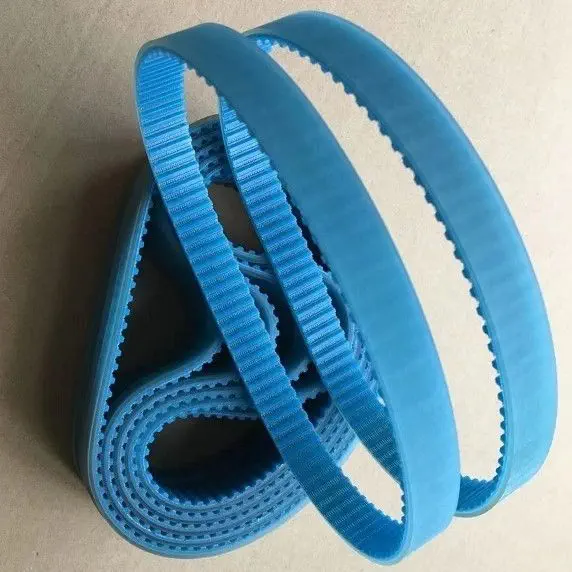
Can you describe the different types of plastic belts available in the market today?
There are several different types of plastic belts available in the market today, each designed to meet specific application requirements. Here’s an overview of some commonly used types:
- 1. Modular Plastic Belts:
Modular plastic belts consist of interlocking plastic modules or links that form a continuous belt. These belts offer flexibility, allowing them to navigate around corners, bends, and other obstacles smoothly. They are commonly used in applications that require accumulation, incline/decline conveying, or small product transfer. Modular plastic belts are available in various configurations, such as flat-top, flush-grid, and raised-rib designs, to accommodate different product types and handling requirements.
- 2. Solid Plastic Belts:
Solid plastic belts are made from a single piece of plastic material without interlocking modules. They offer a smooth and continuous surface, making them suitable for applications that require stable and consistent product conveying. Solid plastic belts are often used in industries such as food processing, where hygiene, easy cleaning, and resistance to contamination are crucial.
- 3. Cleated Plastic Belts:
Cleated plastic belts feature integrally molded cleats or projections on their surface. These cleats help to prevent product slippage and facilitate the inclined or vertical movement of bulk materials or packages. Cleated plastic belts are commonly used in applications such as incline or decline conveying, sorting, and elevating products in industries like agriculture, recycling, and manufacturing.
- 4. Wire Mesh Plastic Belts:
Wire mesh plastic belts consist of a plastic mesh overlaying metal or plastic rods. These belts offer an open and breathable surface, allowing for easy drainage, airflow, and visual inspection of conveyed products. They are often used in applications where heat, steam, or liquids need to pass through the belt, such as baking ovens, washing processes, or drying operations in the food industry.
- 5. Vacuum Plastic Belts:
Vacuum plastic belts are designed with a perforated or porous surface that allows the application of vacuum pressure to hold and stabilize lightweight or delicate products during conveying. These belts are commonly used in industries such as electronics, printing, and packaging, where precise positioning and gentle handling of products are required.
- 6. Anti-Static Plastic Belts:
Anti-static plastic belts are specifically designed to dissipate static electricity and prevent the buildup of electrostatic charges. They are used in applications where static discharge could damage sensitive electronic components or create safety hazards. Anti-static plastic belts are commonly employed in electronics manufacturing, semiconductor production, and cleanroom environments.
These are just a few examples of the different types of plastic belts available in the market today. The choice of plastic belt depends on factors such as the application requirements, load capacity, product characteristics, environmental conditions, and industry-specific regulations. Manufacturers often offer a range of customization options to tailor the belt design, material, and features to meet the specific needs of their customers.


editor by CX 2024-01-12