 📌 UK Medical Conveyor Specialists — Custom belt widths, lengths & materials available
Why Medical Device Manufacturers in the UK Are Switching to Plastic Modular Belt Conveyors
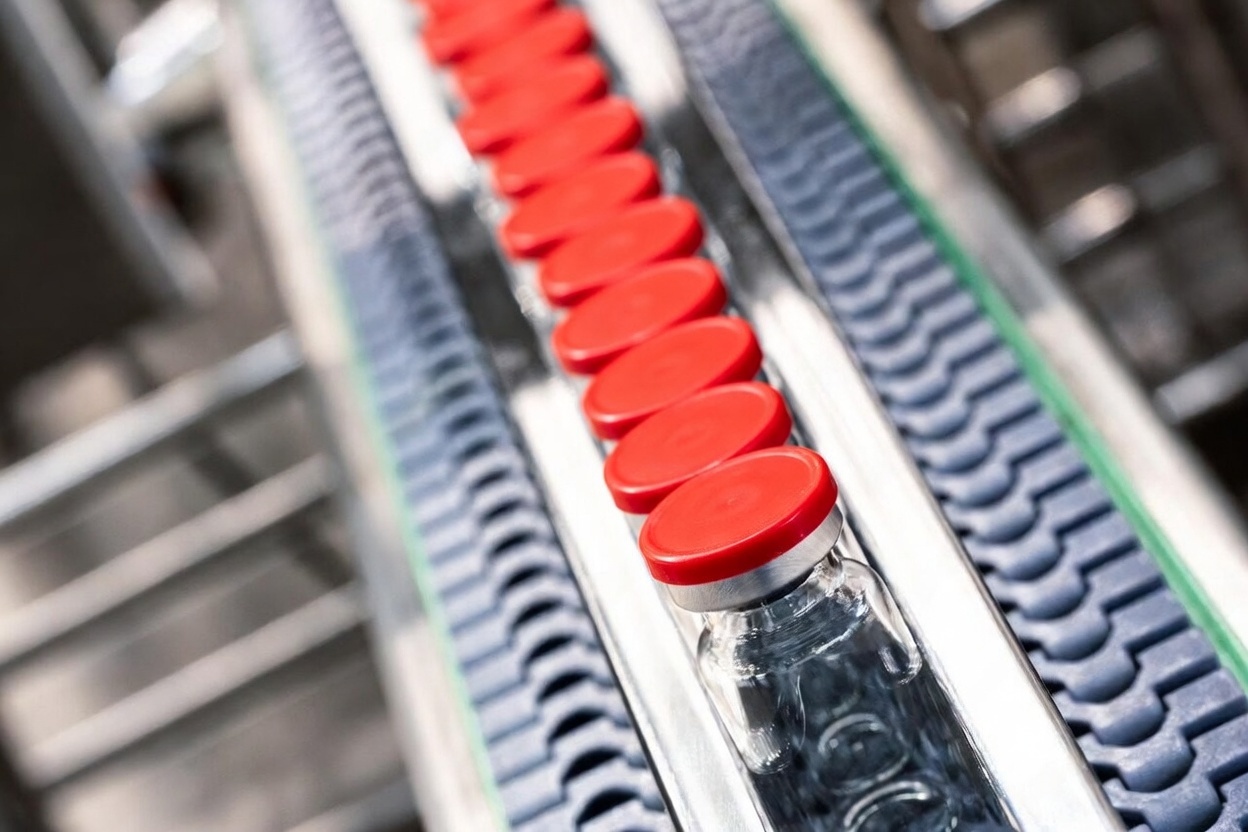 The production and sterilisation of medical devices demand a level of hygiene, chemical resistance, and dimensional precision that traditional conveyor materials — rubber belts, metal mesh, or fabric — simply cannot consistently deliver. Over the past decade, UK-based medical device manufacturers and contract sterilisation facilities have been transitioning at pace toward plastic modular belt systems that are purpose-designed for cleanroom environments, autoclave-compatible washdown procedures, and validated pharmaceutical-grade production pathways. This is not merely a materials upgrade; it represents a fundamental rethinking of how conveyor infrastructure supports compliance, throughput, and traceability on the sterile side of the production floor.
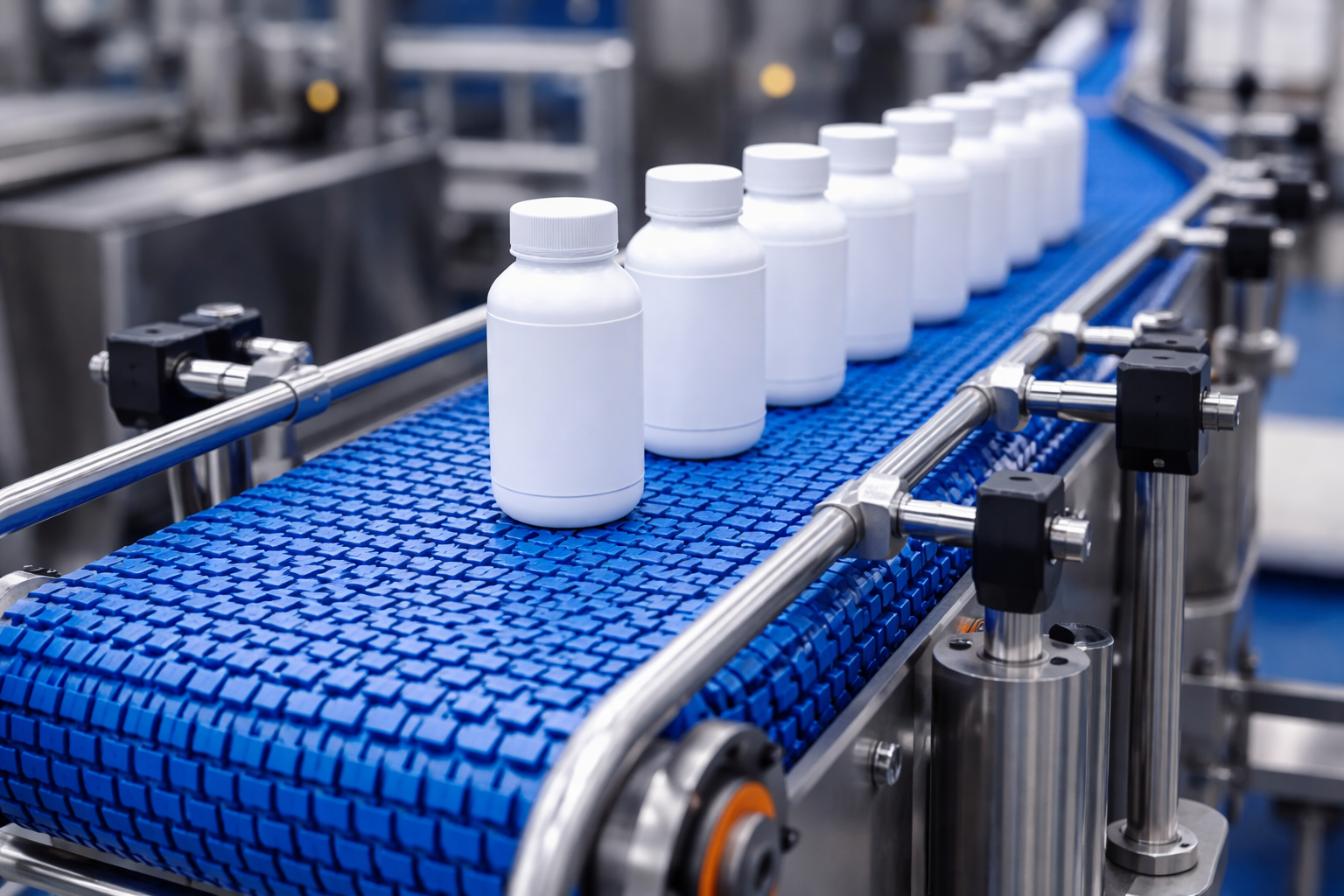
A plastic modular belt is constructed from injection-moulded interlocking polymer modules — typically polypropylene (PP), acetal (POM), or polyethylene (PE) — which are linked together by hinge rods. The result is a belt that can be cut to any width, repaired module-by-module in minutes, and tailored with flush-grid, raised-rib, or perforated surfaces depending on what the medical product requires at each stage of handling. In a sector where a single contamination event can trigger batch recalls, regulatory intervention, or reputational damage, the cleanability and traceability of every surface in contact with product is paramount. The plastic modular belt delivers on all these dimensions simultaneously.
Medical device sterilisation in the UK is subject to stringent oversight under the MHRA framework, with ISO 11135, ISO 17665, and BS EN 556 setting the benchmarks for EtO, steam, and radiation processes respectively. Conveyor systems threading product through sterilisation tunnels, EtO chambers, gamma irradiation cells, or continuous steam autoclaves must be fabricated from materials that can withstand repeated exposure to aggressive chemical and thermal cycles without degrading, retaining particulate, or dimensionally distorting. The plastic modular belt — particularly in high-temperature polypropylene or reinforced acetal grades — is the only belt technology that can reliably satisfy all these demands across a full working lifespan measured in years rather than months.
Core Performance Advantages of Plastic Modular Belt in Medical Applications
Cleanroom & Sterile Zone Compatible
Smooth-top and flush-grid plastic modular belt variants eliminate harbourage points, supporting ISO Class 7 and 8 cleanroom environments. Non-porous polymer surfaces resist microbial colonisation and meet strict GMP surface-finish requirements without additional coatings.
High-Temperature Sterilisation Resistance
Medical-grade polypropylene plastic modular belts can operate continuously at temperatures up to 130°C, with reinforced acetal variants tolerating 80–90°C. This makes them fully compatible with continuous steam sterilisation tunnels, hot-air conveyor ovens, and autoclave transfer systems used in UK medical device facilities.
Chemical Resistance to Disinfectants & EtO
Validated resistance to hydrogen peroxide (H2O2), sodium hypochlorite, IPA, peracetic acid, and ethylene oxide makes the plastic modular belt the safest choice for continuous sterilisation line duty. No belt degradation, no chemical absorption — validated across thousands of wash cycles.
Rapid Modular Repair — Zero Line Downtime
Individual damaged modules on a plastic modular belt can be replaced in under 10 minutes without special tools and without removing the entire belt from the conveyor frame. For 24/7 medical production facilities in the UK, this translates to maintenance windows measured in minutes, not hours — a critical operational advantage over fabric or rubber belt systems.
FDA & EU MDR Compliant Materials
Plastic modular belt modules are available in FDA-compliant and EU food-contact-approved polymers, essential for medical device manufacturers supplying both UK and EU markets post-Brexit. Certificates of Conformity, material data sheets, and traceability documentation are readily available to support your validation packages and regulatory audits.
Customisable Width, Pitch & Surface Profile
No two medical device production lines carry the same product geometry. Plastic modular belt systems are fully configurable: belt width from 50 mm to 1,500 mm, module pitch from 12.7 mm to 50.8 mm, and surface profiles including solid-top, perforated, flush-grid, and raised-rib. Side guards, lane dividers, and cleated versions are all engineered to order.
Technical Specifications: Plastic Modular Belt for Medical & Sterilisation Conveyors
Where the Plastic Modular Belt Delivers Most Value in UK Medical Manufacturing
⚡ Continuous Steam Sterilisation Tunnels
Continuous steam sterilisation tunnels operating at 121°C to 134°C are among the harshest conveyor environments in British industry. Plastic modular belts fabricated from medical-grade polypropylene have been validated for this duty by multiple UK contract sterilisation organisations. Unlike stainless steel mesh belts, which are difficult to clean thoroughly and prone to particulate shedding as wires fatigue and break, the plastic modular belt presents no metal-contamination risk, no welding failures, and no abrasive wear particulate. The smooth interlocking module faces offer a consistent, validated surface that responds predictably to CIP (clean-in-place) spray systems and manual swabbing procedures. For facilities running ISO 17665 steam sterilisation validation protocols, having a belt material with consistent, documented surface roughness Ra values simplifies environmental monitoring and validation record-keeping considerably.
📉 Ethylene Oxide (EtO) Pre- and Post-Conditioning Conveyors
Before and after EtO sterilisation chambers, packaged medical devices such as catheters, surgical instruments, and implantable components must be transported with extreme care. The plastic modular belt — particularly the open-grid variant with high open-area ratios — provides the necessary gas penetration and degassing airflow required for thorough EtO conditioning and aeration cycles. The acetal (POM) grade is especially popular for this application given its dimensional stability at the elevated pre-conditioning temperatures (up to 55°C) used in humidity conditioning prior to EtO exposure. Several UK-based medical packaging contractors have standardised on POM plastic modular belt systems to ensure repeatable product positioning during barcode scanning, weight verification, and automated tray-loading operations that precede chamber loading.
🐯 Cleanroom Assembly & Packaging Lines (ISO Class 7/8)
Assembly and packaging of sterile medical devices takes place in cleanrooms where every material introduced must be characterised, documented, and proven not to contribute to airborne particulate or viable contamination. The plastic modular belt, manufactured from chemically inert, non-shedding polymer, represents one of the lowest-risk conveyor technologies available for ISO Class 7 and 8 environments. Unlike urethane-coated or fabric belts that fray and shed fibres over time, a well-maintained plastic modular belt produces negligible particulate unless physically damaged — and even then, only at the specific module location, not across the whole belt surface. This predictable, localised failure mode is far safer in a cleanroom context than the diffuse degradation patterns seen with alternative belt types. Flat-top solid-surface plastic modular belts are typically specified where electronic or optical device components, contact lens packaging, or sealed syringe assemblies are the product.
🔍 Washdown & CIP Conveyor Zones
High-pressure hot washdown with enzymatic detergents, chlorinated alkalis, and sporicidal disinfectants is a routine requirement in UK medical device facilities, particularly in implant and wound care product manufacturing. The plastic modular belt is inherently designed for wet duty — its polymer composition is impervious to waterlogging, corrosion, and dimensional swelling, and its open-hinge architecture can be configured to direct cleaning fluids outward from the belt underside, preventing liquid pooling that can harbour biofilm. The ability to detail-clean between individual modules using pressure spray systems or ultrasonic bath immersion is a specific advantage over metal mesh belts, which accumulate debris in wire interstices that are practically inaccessible without complete belt removal. For UK medical device manufacturers operating under regular MHRA facility inspections, the demonstrable clean-hold properties of the plastic modular belt support the required environmental monitoring logs and cleaning validation records.
How Plastic Modular Belt Technology Works: Construction, Drive, and Material Science
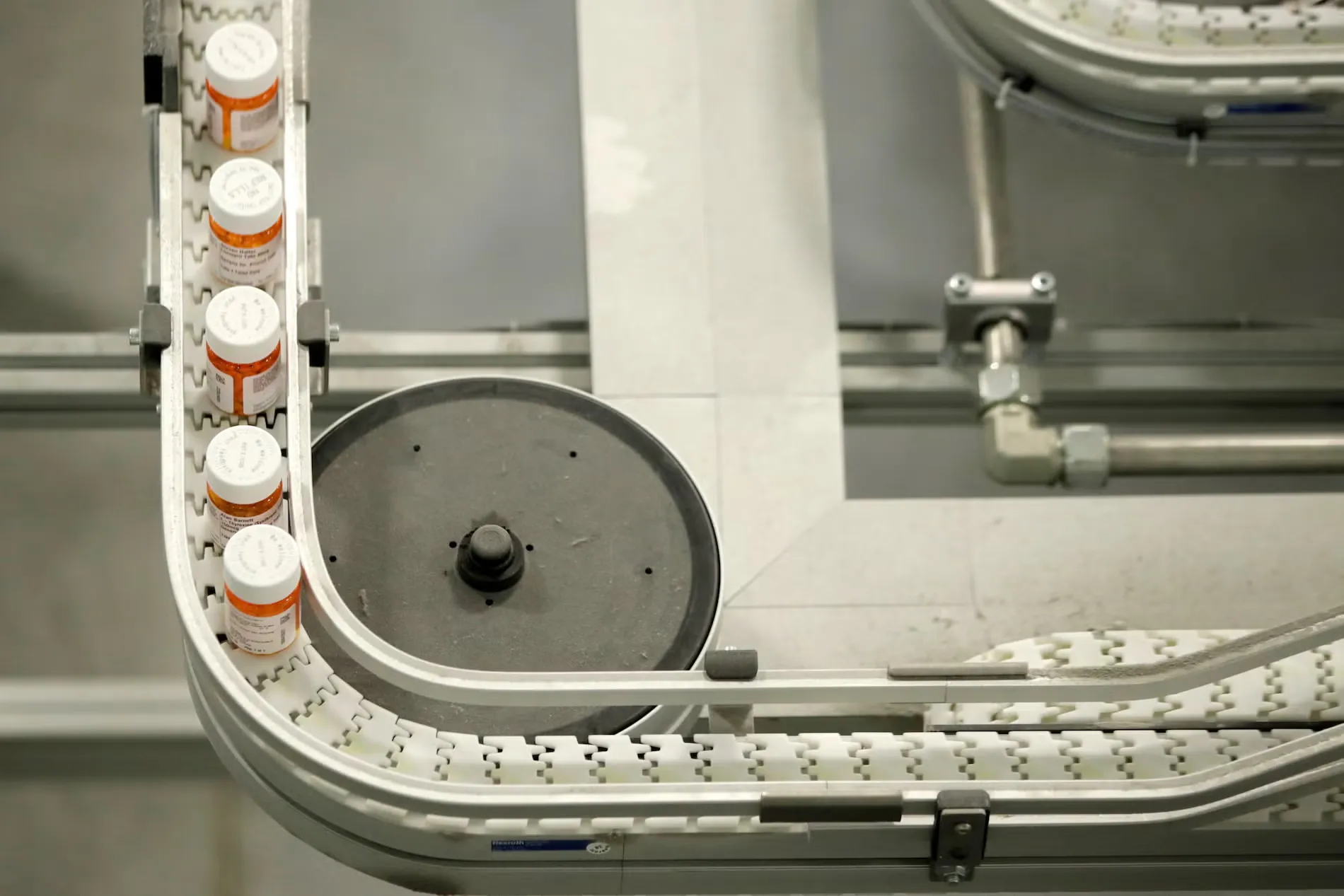 At its heart, a plastic modular belt is an assembly of discrete injection-moulded polymer modules held together by cylindrical hinge rods — usually made from stainless steel 316L, PVDF, or polypropylene depending on the chemical and temperature environment. The modules themselves are precision-moulded to a defined pitch (the distance from one hinge centre to the next), which means the belt engages positively with sprocket teeth on the drive shaft without relying on friction or tension to maintain tracking. This positive-drive characteristic is a fundamental differentiator from tension-driven fabric or rubber belts, and it is why plastic modular belt systems can operate on inclines, declines, spiral towers, and in accumulation mode without the belt stretching, slipping, or losing position relative to the sprockets.
The polymer selection drives virtually every performance characteristic of the finished belt. Polypropylene (PP) is the most commonly specified material for medical sterilisation conveyor applications because of its outstanding combination of temperature resistance (up to 130°C continuous), FDA and EU 10/2011 food-contact compliance, chemical inertness to the full range of pharmaceutical disinfectants, and its very low cost relative to engineering polymers. Acetal (polyoxymethylene, POM) trades some temperature ceiling for much higher mechanical strength, dimensional stability, and surface hardness — qualities that matter greatly on accumulation belts or any application where device packaging must resist compression forces. High-density polyethylene (HDPE or PE) is occasionally used where extreme chemical resistance to aggressive solvents or concentrated acids is required, though its lower maximum service temperature limits its use in sterilisation tunnels.
The physical structure of each module — the precise geometry of the hinge eye, the thickness of the top plate, the angle and spacing of the drive knuckles — is determined by the application engineering at the design stage. Ever Power’s engineering team models every new plastic modular belt configuration for load distribution, pull force requirements, thermal expansion allowances, and cleanability characteristics before manufacture begins. This rigorous pre-production analysis is what allows our medical sector customers to install with confidence, commission quickly, and validate against their IQ/OQ/PQ protocols without unexpected performance deviations.
Customer Success: Real-World Plastic Modular Belt Deployments in Medical Manufacturing
Featured Case Study
UK Contract Sterilisation Facility, East Midlands — EtO & Steam Dual-Mode Line Upgrade
A major UK contract sterilisation organisation based in the East Midlands approached Ever Power in 2022 with a specific challenge: their incumbent metal mesh conveyor belts in the EtO pre-conditioning and post-aeration zones were failing on average every 14 months due to wire fatigue and were generating metallic particulate detectable during routine environmental monitoring. Their validation team needed a belt material with verifiable FDA compliance, documentable surface cleanliness standards, and a minimum 3-year validated service life to reduce their belt-change IQ/OQ cycles.
Ever Power supplied custom-width POM (acetal) plastic modular belts with 25.4 mm pitch and 40% open-area flush-grid modules across four conveyor lanes. The belt width of 760 mm was matched precisely to the existing frame dimensions, and 316L stainless steel hinge rods were specified for full EtO and H2O2 compatibility. The facility achieved its target 3+ year validation window, particulate monitoring showed zero metallic contamination events post-installation, and the maintenance team reported reducing belt-related maintenance hours by 68% in the first year.
“We specified Ever Power’s white PP plastic modular belt for our catheter cleanroom line and the difference in cleaning validation audit outcomes was immediate. The surface documentation they provided was exactly what our QA team needed.”
James Thornton
Engineering Manager, Surgical Instruments Manufacturer — Nottingham, UK
“The custom-width plastic modular belt Ever Power produced for our autoclave transfer conveyor fit the legacy frame perfectly. Lead time was 3 weeks and the technical support during commissioning was outstanding. We’ve now standardised on their belts across two sites.”
Siobhan Clarke
Production Director, Contract Sterilisation Facility — Glasgow, Scotland
“We had a product geometry challenge that required a raised-rib surface on one section and flat-top on another, with a smooth transition between them. Ever Power’s design team solved it in a single belt configuration and it’s been running faultlessly for 18 months.”
David Hartley
Process Engineer, Implantable Device OEM — Leeds, West Yorkshire
Ever Power: UK Medical Sector Plastic Modular Belt Customisation & Manufacturing
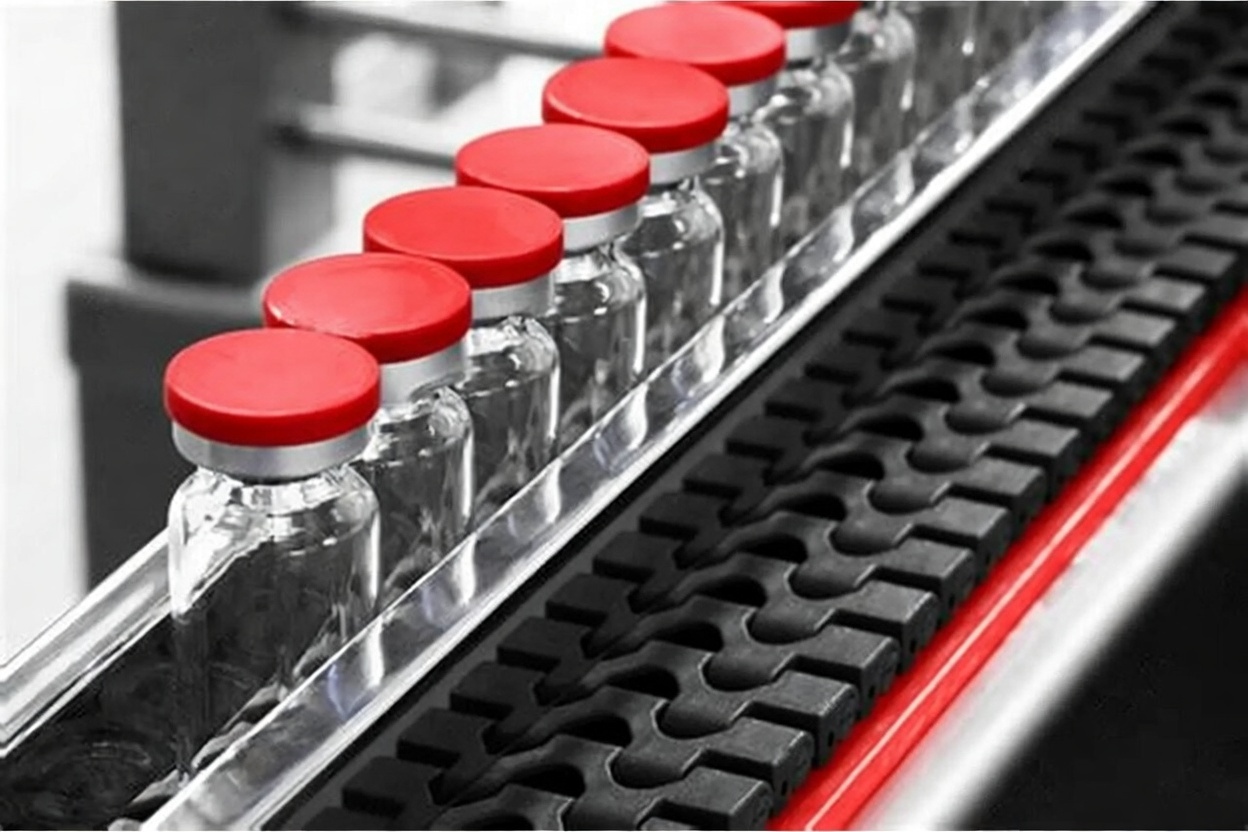 Ever Power operates a dedicated πλαστική αρθρωτή ζώνη manufacturing and customisation facility serving the UK medical device sector with engineering-led solutions built around the specific compliance, performance, and lead-time demands of sterile manufacturing. Our production team works directly with your process engineers from the initial specification stage through FAT (Factory Acceptance Testing), installation commissioning, and ongoing technical support — providing the documentation trail your QA and validation teams need from day one.
Our customisation capabilities for plastic modular belt orders in the medical sector include: non-standard belt widths cut to the nearest millimetre; bespoke module configurations combining different surface types within a single belt; colour-coded belts for zone segregation in multi-product cleanrooms; integration of lane guides, side guards, and cleats; hinge rod upgrades to 316L stainless or PVDF where required; and full material traceability documentation including batch certificates, material test reports, FDA/EU compliance declarations, and RoHS compliance statements. We hold standard stock widths and module types for rapid despatch to UK addresses, typically within 5–7 working days for standard configurations.
Plastic Modular Belt vs Other Conveyor Belt Types in Medical Sterilisation Environments
Συχνές ερωτήσεις
What is the best plastic modular belt material for a steam sterilisation tunnel operating at 121°C to 134°C in a UK medical device facility?
Medical-grade polypropylene (PP) is the most widely specified plastic modular belt material for continuous steam sterilisation tunnels in UK medical device manufacturing. PP offers a continuous service temperature up to 130°C, FDA and EU 10/2011 compliance, and outstanding resistance to the steam, condensate, and disinfectant chemicals encountered in these environments. For intermittent exposure above 130°C, a high-heat PP variant or PVDF is recommended. Ever Power can supply certified PP modular belts with full documentation for MHRA audit purposes.
How much does a custom-width plastic modular belt cost for a medical sterilisation conveyor, and can I get a price or quote from a UK supplier?
The cost of a custom plastic modular belt depends on belt width, length, material grade (PP, POM, or PE), surface profile, and hinge rod specification. As a UK-serving supplier, Ever Power provides detailed quotes typically within 24–48 hours of receiving your specifications. To request a price, email [email protected] with your belt width, required length, material preference, and application details. Volume pricing is available for repeat orders and annual supply agreements.
Which plastic modular belt surface type is recommended for ISO Class 7 cleanroom medical device assembly lines in England?
For ISO Class 7 cleanroom medical device assembly lines, a solid flat-top plastic modular belt in white FDA-compliant polypropylene or acetal is most commonly specified. The smooth, continuous surface prevents product ingress into gaps, supports thorough spray-down cleaning validation, and presents no fabric edge or weld-seam detail that could harbour particles. In England, several leading medical OEMs in the South East and Midlands have standardised on white PP flat-top belts for precisely this reason.
Where can I find a reliable plastic modular belt supplier in the UK with fast lead times and full compliance documentation for medical applications?
Ever Power supplies plastic modular belts to UK medical device manufacturers and contract sterilisation facilities with standard stock items despatched within 5–7 working days and custom-engineered belts within 3–4 weeks from drawing approval. All belts come with material certificates, FDA/EU compliance declarations, and batch traceability. Contact us at [email protected] for a same-day enquiry response from our UK applications team.
How do I replace a damaged module on a plastic modular belt in a medical production environment without shutting down the entire line?
Individual modules on a plastic modular belt can be replaced without removing the belt from the conveyor frame. Simply slide out the hinge rod that connects the damaged module’s row, remove the affected module(s), insert the replacement, and re-insert the hinge rod. The entire process typically takes under 10 minutes with a basic pin-extraction tool and requires no specialist training. In medical environments, replacement modules should be drawn from a dedicated sealed spare-parts stock to maintain material traceability, and the repair should be logged in your equipment maintenance record as part of your GMP documentation procedure.
When should a UK medical device company choose a perforated plastic modular belt instead of a solid flat-top version for their sterilisation process?
A perforated or open-grid plastic modular belt should be chosen over a solid flat-top when your sterilisation process requires gas or steam penetration from below the belt surface — as in EtO conditioning chambers, steam tunnel applications where bottom-up steam flow is used, or hot-air drying conveyors where airflow must pass through the belt. For gamma irradiation and e-beam processes, an open-grid belt also reduces belt mass and therefore irradiation dose attenuation. If your product sits on solid trays or pouches and there is no process requirement for through-belt airflow, a solid flat-top belt provides better support and easier surface cleaning.
Ready to Upgrade Your Medical Sterilisation Conveyor?
Talk to an Ever Power application engineer about the right plastic modular belt specification for your UK medical device or sterilisation facility. Custom widths, certified materials, and fast UK delivery.
© Ever Power Plastic Modular Belt | UK Medical & Sterilisation Conveyor Solutions | edit by gzl