What is a Plastic Modular Belt?
The evolution of manufacturing processes in the automotive industry has prompted companies to adopt innovative solutions to improve efficiency and productivity. Modular plastic conveyor belts are one such solution, offering versatility and adaptability that has fundamentally changed the landscape of automotive production. This article will delve into the complex details of modular plastic conveyor belts, analyzing their composition, function, and the numerous benefits they bring to the automotive industry.
Understanding the Composition of Plastic Modular Belts
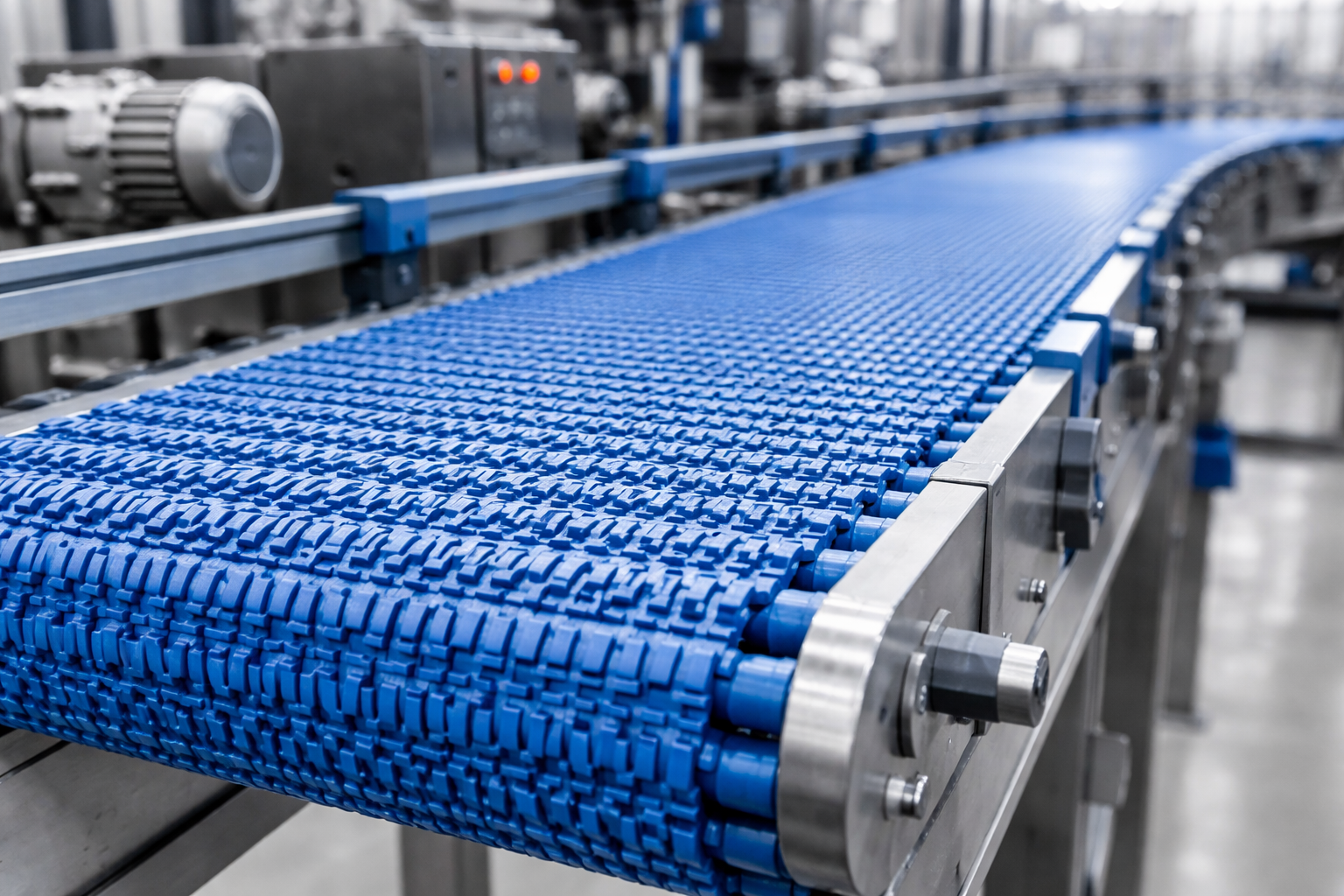
Plastic modular belts are constructed from interlocking plastic modules, which are often made from high-density polyethylene (HDPE), polypropylene (PP), or polyvinyl chloride (PVC). These materials are selected for their durability, chemical resistance, and ability to withstand various temperatures encountered in automotive manufacturing.
Modular Design
The modular design of these belts is particularly advantageous. Each module can be replaced individually, allowing for ease of maintenance and repair. This feature significantly reduces downtime during production, as manufacturers can quickly swap out damaged sections without needing to replace the entire belt. Additionally, the modularity allows for the customization of belt width and length, making it adaptable to diverse production lines.
Surface Options
Moreover, plastic modular belts can come with various surface textures—smooth, textured, or with cleats—tailored to specific applications. This versatility in surface design enables optimal handling of different automotive components, from heavy parts to delicate assemblies, ensuring that each item is transported securely and efficiently.
Functionality in Automotive Production
In automotive production, the role of plastic modular belts goes beyond mere transportation. They act as pivotal players in streamlining workflows, enhancing productivity, and ensuring that the manufacturing process remains uninterrupted.
Conveyor Systems Integration
Plastic modular belts are integral to conveyor systems that facilitate the movement of automotive parts through various stages of production. Their ability to operate seamlessly with different machinery allows for the establishment of a synchronized manufacturing process. By integrating with robotic arms, assembly stations, and painting apparatus, these belts ensure that components move swiftly from one station to the next, minimizing delays.
Precision Handling
Another salient feature of plastic modular belts is their capacity for precision handling. In the automotive industry, where even the slightest error can lead to significant repercussions, having a reliable medium for transporting parts is crucial. The design of the belt provides excellent grip and stability, reducing the risk of slippage and misalignment during transport. This precision aids in maintaining strict quality control standards, which are essential in automotive production.
Advantages of Plastic Modular Belts in Automotive Manufacturing
The benefits of utilizing plastic modular belts in automotive production are vast and multifaceted, impacting various aspects of the manufacturing process.
Durability and Longevity
One of the primary advantages of plastic modular belts is their durability. Unlike traditional fabric belts, which can wear out quickly, plastic belts are resistant to abrasion, chemicals, and extreme temperatures. They are engineered to withstand the rigorous demands of automotive manufacturing, ensuring a longer lifespan and lower replacement costs over time.
Cost-Effectiveness
The initial investment in plastic modular belt systems may seem substantial; however, when considering their durability and reduced maintenance needs, they often prove to be more cost-effective in the long run. The ability to replace individual modules rather than entire belts contributes to significant savings, particularly for large-scale operations.
Enhanced Hygiene and Maintenance
In an era where hygiene is paramount, especially in food processing and other sensitive industries, plastic modular belts offer an advantage. Their non-porous surfaces are easy to clean, reducing the risk of contamination. While this may be more relevant in food manufacturing, the automotive industry can benefit from the ease of maintenance, ensuring that production environments remain clean and efficient.
Environmental Considerations
Furthermore, many plastic modular belts are designed with sustainability in mind. Manufacturers are increasingly utilizing recyclable materials in the production of these belts, contributing to a reduced environmental footprint. As companies in the automotive sector strive for greener practices, adopting such sustainable solutions becomes a vital consideration.
Challenges and Solutions in Implementation
While the advantages of plastic modular belts are compelling, their implementation is not without challenges. Understanding these challenges and devising appropriate solutions is key to maximizing their effectiveness in automotive production.
Initial Setup and Integration
One of the primary challenges in adopting plastic modular belt systems is the initial setup and integration into existing production lines. Retrofitting old conveyor systems to accommodate new belts may require significant investment and engineering expertise. To address this, many manufacturers offer consultation services to help clients design a seamless integration plan that minimizes disruption during the transition.
Training and Familiarization
Another challenge involves the training of personnel to operate and maintain these systems effectively. Proper training is essential to ensure that operators can handle the belts correctly, perform routine maintenance, and troubleshoot potential issues. Companies should invest in comprehensive training programs that not only cover operational aspects but also emphasize the importance of adherence to safety protocols.
The Future of Plastic Modular Belts in Automotive Production
The future of plastic modular belts in the automotive industry looks promising. As technology continues to advance, the design and functionality of these belts are expected to evolve further. Innovations such as smart sensors integrated into the belts for real-time monitoring and tracking of production lines are on the horizon. These advancements could lead to even greater efficiencies and a more streamlined manufacturing process.
Customization and Flexibility
Moreover, as automotive manufacturers increasingly focus on customization and flexibility in production to meet diverse consumer demands, plastic modular belts will likely play an even more integral role. Their adaptability will allow for quick changes in production lines, accommodating varying models and specifications without significant downtime.
Integration with Industry 4.0
In the context of Industry 4.0, the integration of Internet of Things (IoT) technology with modular plastic conveyor belt systems promises to revolutionize the automotive manufacturing industry. With the potential for remote monitoring, predictive maintenance, and automatic adjustments based on real-time data, production efficiency and effectiveness will reach unprecedented levels.
In conclusion, modular plastic conveyor belts represent a key innovation in automotive production. Their unique composition, functionality, and numerous advantages make them an essential component for manufacturers to improve production efficiency, reduce costs, and ensure quality. As the industry continues to evolve, the role of these conveyor belts will undoubtedly become increasingly prominent, paving the way for more efficient and sustainable automotive manufacturing practices.
Overcoming Challenges in Automotive Production with Plastic Modular Belt Systems
Introduction to Plastic Modular Belt Systems
Plastic modular belt systems have revolutionized the automotive production landscape. This innovative technology offers flexible, durable, and efficient solutions tailored to the intricate demands of modern manufacturing. As the automotive industry seeks to enhance productivity while minimizing costs and downtime, modular belts have emerged as a pivotal component in streamlining operations.
Challenges Faced by Automotive Manufacturers
The automotive production process is fraught with challenges. Manufacturers face issues such as fluctuating demand, the need for quick changeovers between models, and stringent quality control requirements. Traditional conveyor systems often fall short in addressing these challenges, leading to inefficiencies and increased operational costs.
Fluctuating Demand
The automotive market is known for its volatility. Manufacturers must be agile, capable of ramping up or scaling down production in response to market demands. Traditional conveyor belts, with their fixed configurations, limit this flexibility.
Quick Changeovers
With the rise of customizations and new model releases, manufacturers encounter the necessity for rapid changeovers. The ability to switch production lines quickly is critical; however, traditional systems require significant time and labor to reconfigure.
Quality Control
Quality assurance is non-negotiable in automotive production. Any lapse in quality can result in costly recalls and tarnished brand reputation. Traditional systems often lack the precision required for thorough quality inspections, resulting in potential oversight.
Plastic Modular Belt Systems: A Solution
Plastic modular belt systems address these challenges head-on. Through their unique design and construction, they offer enhanced flexibility, rapid changeover capabilities, and improved quality control measures.
Flexibility and Modularity
The modular nature of these belts allows for easy adjustments and reconfigurations. Manufacturers can design their production lines according to specific needs, easily adapting to new models or changing demands without lengthy downtimes.
Rapid Changeovers
Plastic modular belts can be configured to facilitate quick changeovers. Unlike traditional belts, which may require manual intervention and extensive labor, modular systems can be adjusted with minimal effort. This efficiency translates to significant time savings and reduced labor costs.
Enhanced Quality Control
With their precision engineering, plastic modular belts allow for improved quality control. Each belt can be equipped with sensors and monitoring systems that provide real-time data, ensuring that every component meets stringent quality standards.
Case Study: Implementation of Plastic Modular Belt Systems in Automotive Production
To illustrate the effectiveness of plastic modular belt systems, let’s delve into a case study involving a leading automotive manufacturer who faced significant production challenges.
Background
The manufacturer, renowned for producing electric vehicles, struggled with an outdated conveyor system that could not keep pace with evolving production demands. Their existing setup led to frequent breakdowns, increased maintenance costs, and inefficiencies that hampered overall productivity.
Implementation of Plastic Modular Belts
After careful consideration, the manufacturer opted to replace their traditional conveyor system with plastic modular belts. The transition involved a thorough planning phase wherein engineers collaborated to design a customized modular belt system that catered to the specific needs of their production line.
Results Post-Implementation
The results following the installation of plastic modular belt systems were remarkable.
Improved Production Downtime
With the new belts in place, production downtime decreased significantly to less than 5%. The improved reliability of the modular belts reduced maintenance needs and ensured consistent operation.
Faster Changeover Times
Changeover times were dramatically shortened to approximately 30 minutes. This enhancement allowed the manufacturer to adapt quickly to market demands, facilitating rapid adjustments between different vehicle models.
Reduction in Defect Rates
The defect rate was reduced from 2% to less than 0.5%. The integration of monitoring systems within the modular belts provided real-time feedback, enabling immediate corrective actions to maintain quality standards.
Long-Term Impact on Operational Efficiency
The transition to plastic modular belt systems not only addressed immediate challenges but also had a lasting impact on the manufacturer’s operations.
Increased Production Capacity
By enhancing efficiency and reducing downtime, the manufacturer was able to increase their production capacity by 25%. This increase positioned them to meet growing market demands without compromising quality or incurring additional costs.
Cost Savings
The reduction in maintenance costs and downtime translated into substantial financial savings. The return on investment for the new modular belt system was realized within the first year, showcasing the economic viability of the transition.
Enhanced Competitive Advantage
With improved operational efficiency, the manufacturer gained a competitive edge in the market. They could respond more swiftly to consumer demands and adapt to changes in the automotive landscape, positioning themselves as a leader in innovation and production.
Future Prospects
As the automotive industry continues to evolve, the role of plastic modular belt systems will likely expand. Manufacturers will increasingly recognize the need for flexible, efficient, and reliable production solutions.
Continued Innovation
The ongoing advancements in technology will further enhance the capabilities of plastic modular belts. Smart manufacturing and the integration of IoT technologies will allow for even greater control and efficiency in production lines.
Broader Applications
While this case study focuses on automotive manufacturing, the principles and advantages of modular plastic conveyor belt systems can be applied to various industries. This versatility highlights its potential for widespread application and innovation.
The transition to modular plastic conveyor belt systems represents a transformative milestone for automakers. By addressing the inherent challenges of production with innovative solutions, manufacturers can improve efficiency, reduce costs, and ultimately thrive in an increasingly competitive market.
Overcoming Challenges in Automotive Production with Plastic Modular Belt Systems
Introduction to Plastic Modular Belt Systems
Plastic modular belt systems have revolutionized the automotive production landscape. This innovative technology offers flexible, durable, and efficient solutions tailored to the intricate demands of modern manufacturing. As the automotive industry seeks to enhance productivity while minimizing costs and downtime, modular belts have emerged as a pivotal component in streamlining operations.
Challenges Faced by Automotive Manufacturers
The automotive production process is fraught with challenges. Manufacturers face issues such as fluctuating demand, the need for quick changeovers between models, and stringent quality control requirements. Traditional conveyor systems often fall short in addressing these challenges, leading to inefficiencies and increased operational costs.
Fluctuating Demand
The automotive market is known for its volatility. Manufacturers must be agile, capable of ramping up or scaling down production in response to market demands. Traditional conveyor belts, with their fixed configurations, limit this flexibility.
Quick Changeovers
With the rise of customizations and new model releases, manufacturers encounter the necessity for rapid changeovers. The ability to switch production lines quickly is critical; however, traditional systems require significant time and labor to reconfigure.
Quality Control
Quality assurance is non-negotiable in automotive production. Any lapse in quality can result in costly recalls and tarnished brand reputation. Traditional systems often lack the precision required for thorough quality inspections, resulting in potential oversight.
Plastic Modular Belt Systems: A Solution
Plastic modular belt systems address these challenges head-on. Through their unique design and construction, they offer enhanced flexibility, rapid changeover capabilities, and improved quality control measures.
Flexibility and Modularity
The modular nature of these belts allows for easy adjustments and reconfigurations. Manufacturers can design their production lines according to specific needs, easily adapting to new models or changing demands without lengthy downtimes.
Rapid Changeovers
Plastic modular belts can be configured to facilitate quick changeovers. Unlike traditional belts, which may require manual intervention and extensive labor, modular systems can be adjusted with minimal effort. This efficiency translates to significant time savings and reduced labor costs.
Enhanced Quality Control
With their precision engineering, plastic modular belts allow for improved quality control. Each belt can be equipped with sensors and monitoring systems that provide real-time data, ensuring that every component meets stringent quality standards.
Case Study: Implementation of Plastic Modular Belt Systems in Automotive Production
To illustrate the effectiveness of plastic modular belt systems, let’s delve into a case study involving a leading automotive manufacturer who faced significant production challenges.
Background
The manufacturer, renowned for producing electric vehicles, struggled with an outdated conveyor system that could not keep pace with evolving production demands. Their existing setup led to frequent breakdowns, increased maintenance costs, and inefficiencies that hampered overall productivity.
Implementation of Plastic Modular Belts
After careful consideration, the manufacturer opted to replace their traditional conveyor system with plastic modular belts. The transition involved a thorough planning phase wherein engineers collaborated to design a customized modular belt system that catered to the specific needs of their production line.
Results Post-Implementation
The results following the installation of plastic modular belt systems were remarkable.
Improved Production Downtime
With the new belts in place, production downtime decreased significantly to less than 5%. The improved reliability of the modular belts reduced maintenance needs and ensured consistent operation.
Faster Changeover Times
Changeover times were dramatically shortened to approximately 30 minutes. This enhancement allowed the manufacturer to adapt quickly to market demands, facilitating rapid adjustments between different vehicle models.
Reduction in Defect Rates
The defect rate was reduced from 2% to less than 0.5%. The integration of monitoring systems within the modular belts provided real-time feedback, enabling immediate corrective actions to maintain quality standards.
Long-Term Impact on Operational Efficiency
The transition to plastic modular belt systems not only addressed immediate challenges but also had a lasting impact on the manufacturer’s operations.
Increased Production Capacity
By enhancing efficiency and reducing downtime, the manufacturer was able to increase their production capacity by 25%. This increase positioned them to meet growing market demands without compromising quality or incurring additional costs.
Cost Savings
The reduction in maintenance costs and downtime translated into substantial financial savings. The return on investment for the new modular belt system was realized within the first year, showcasing the economic viability of the transition.
Enhanced Competitive Advantage
With improved operational efficiency, the manufacturer gained a competitive edge in the market. They could respond more swiftly to consumer demands and adapt to changes in the automotive landscape, positioning themselves as a leader in innovation and production.
Future Prospects
As the automotive industry continues to evolve, the role of plastic modular belt systems will likely expand. Manufacturers will increasingly recognize the need for flexible, efficient, and reliable production solutions.
Continued Innovation
The ongoing advancements in technology will further enhance the capabilities of plastic modular belts. Smart manufacturing and the integration of IoT technologies will allow for even greater control and efficiency in production lines.
Broader Applications
While this case study focuses on automotive manufacturing, the principles and advantages of modular plastic conveyor belt systems can be applied to various industries. This versatility highlights its potential for widespread application and innovation.
The transition to modular plastic conveyor belt systems represents a transformative milestone for automakers. By addressing the inherent challenges of production with innovative solutions, manufacturers can improve efficiency, reduce costs, and ultimately thrive in an increasingly competitive market.
Overcoming Challenges in Automotive Production with Plastic Modular Belt Systems
Introduction to Plastic Modular Belt Systems
Plastic modular belt systems have revolutionized the automotive production landscape. This innovative technology offers flexible, durable, and efficient solutions tailored to the intricate demands of modern manufacturing. As the automotive industry seeks to enhance productivity while minimizing costs and downtime, modular belts have emerged as a pivotal component in streamlining operations.
Challenges Faced by Automotive Manufacturers
The automotive production process is fraught with challenges. Manufacturers face issues such as fluctuating demand, the need for quick changeovers between models, and stringent quality control requirements. Traditional conveyor systems often fall short in addressing these challenges, leading to inefficiencies and increased operational costs.
Fluctuating Demand
The automotive market is known for its volatility. Manufacturers must be agile, capable of ramping up or scaling down production in response to market demands. Traditional conveyor belts, with their fixed configurations, limit this flexibility.
Quick Changeovers
With the rise of customizations and new model releases, manufacturers encounter the necessity for rapid changeovers. The ability to switch production lines quickly is critical; however, traditional systems require significant time and labor to reconfigure.
Quality Control
Quality assurance is non-negotiable in automotive production. Any lapse in quality can result in costly recalls and tarnished brand reputation. Traditional systems often lack the precision required for thorough quality inspections, resulting in potential oversight.
Plastic Modular Belt Systems: A Solution
Plastic modular belt systems address these challenges head-on. Through their unique design and construction, they offer enhanced flexibility, rapid changeover capabilities, and improved quality control measures.
Flexibility and Modularity
The modular nature of these belts allows for easy adjustments and reconfigurations. Manufacturers can design their production lines according to specific needs, easily adapting to new models or changing demands without lengthy downtimes.
Rapid Changeovers
Plastic modular belts can be configured to facilitate quick changeovers. Unlike traditional belts, which may require manual intervention and extensive labor, modular systems can be adjusted with minimal effort. This efficiency translates to significant time savings and reduced labor costs.
Enhanced Quality Control
With their precision engineering, plastic modular belts allow for improved quality control. Each belt can be equipped with sensors and monitoring systems that provide real-time data, ensuring that every component meets stringent quality standards.
Case Study: Implementation of Plastic Modular Belt Systems in Automotive Production
To illustrate the effectiveness of plastic modular belt systems, let’s delve into a case study involving a leading automotive manufacturer who faced significant production challenges.
Background
The manufacturer, renowned for producing electric vehicles, struggled with an outdated conveyor system that could not keep pace with evolving production demands. Their existing setup led to frequent breakdowns, increased maintenance costs, and inefficiencies that hampered overall productivity.
Implementation of Plastic Modular Belts
After careful consideration, the manufacturer opted to replace their traditional conveyor system with plastic modular belts. The transition involved a thorough planning phase wherein engineers collaborated to design a customized modular belt system that catered to the specific needs of their production line.
Results Post-Implementation
The results following the installation of plastic modular belt systems were remarkable.
Improved Production Downtime
With the new belts in place, production downtime decreased significantly to less than 5%. The improved reliability of the modular belts reduced maintenance needs and ensured consistent operation.
Faster Changeover Times
Changeover times were dramatically shortened to approximately 30 minutes. This enhancement allowed the manufacturer to adapt quickly to market demands, facilitating rapid adjustments between different vehicle models.
Reduction in Defect Rates
The defect rate was reduced from 2% to less than 0.5%. The integration of monitoring systems within the modular belts provided real-time feedback, enabling immediate corrective actions to maintain quality standards.
Long-Term Impact on Operational Efficiency
The transition to plastic modular belt systems not only addressed immediate challenges but also had a lasting impact on the manufacturer’s operations.
Increased Production Capacity
By enhancing efficiency and reducing downtime, the manufacturer was able to increase their production capacity by 25%. This increase positioned them to meet growing market demands without compromising quality or incurring additional costs.
Cost Savings
The reduction in maintenance costs and downtime translated into substantial financial savings. The return on investment for the new modular belt system was realized within the first year, showcasing the economic viability of the transition.
Enhanced Competitive Advantage
With improved operational efficiency, the manufacturer gained a competitive edge in the market. They could respond more swiftly to consumer demands and adapt to changes in the automotive landscape, positioning themselves as a leader in innovation and production.
Future Prospects
As the automotive industry continues to evolve, the role of plastic modular belt systems will likely expand. Manufacturers will increasingly recognize the need for flexible, efficient, and reliable production solutions.
Continued Innovation
The ongoing advancements in technology will further enhance the capabilities of plastic modular belts. Smart manufacturing and the integration of IoT technologies will allow for even greater control and efficiency in production lines.
Broader Applications
While the focus of this case study was on automotive production, the principles and advantages of plastic modular belt systems can be applied across various industries. This versatility underscores the potential for widespread adoption and innovation.
The transition to plastic modular belt systems represents a transformative milestone for automotive manufacturers. By addressing the inherent challenges of production with innovative solutions, manufacturers can enhance efficiency, reduce costs, and ultimately thrive in an ever-competitive marketplace.
Case Study: Implementation of Plastic Modular Belts in Automotive Production
In the fast-paced world of automotive manufacturing, efficiency and productivity are paramount. This case study explores the implementation of plastic modular belts in a leading automotive production facility, highlighting the transformative impact these belts had on the manufacturing process. By comparing performance data before and after the integration of plastic modular belts, we will delve into the operational advantages that emerged from this strategic decision.
Background of the Automotive Facility
The automotive facility in question, established over 30 years ago, specializes in the production of electric vehicles. With a workforce of over 1,200 employees and a manufacturing output exceeding 200,000 units annually, the company has always prided itself on innovation and efficiency. However, as the demand for electric vehicles surged, the facility faced challenges related to production speed, material handling, and quality control.
Initial Challenges
Prior to the adoption of plastic modular belts, the facility relied on traditional fabric conveyor belts. Despite their initial efficiency, these belts became a bottleneck as production volume increased. Issues such as slippage, alignment discrepancies, and frequent maintenance interruptions plagued the production line. The average downtime due to belt failures averaged 15 hours per week, significantly impacting overall productivity.
Performance Data Before Implementation
- Average Production Rate: 120 units per hour
- Downtime Due to Conveyor Issues: 15 hours/week
- Maintenance Costs: $25,000 annually
- Quality Control Failures: 5% of units produced
Exploring Plastic Modular Belts
Recognizing the need for a more reliable solution, the management decided to explore the integration of plastic modular belts. The decision was driven by their modular design, durability, and ability to facilitate smoother operations.
Selection of Plastic Modular Belt System
After extensive research and consultation with industry experts, the facility opted for a plastic modular belt system constructed from high-density polyethylene (HDPE). The selected belts featured a modular design, allowing for easy maintenance and customization. This decision aimed not only to resolve existing issues but also to future-proof the production line against increasing demands.
Installation Process
The installation of the new plastic modular belt system was meticulously planned to minimize disruption. The process began with a comprehensive assessment of the existing conveyor layout, followed by the design of a tailored integration plan. Remarkably, the installation was completed over a weekend, allowing production to resume with minimal downtime.
Performance Data After Implementation
Following the installation of the plastic modular belts, the facility experienced a remarkable turnaround in its operational efficiency. The comparison of key performance indicators (KPIs) before and after the integration was striking:
- Average Production Rate: 180 units per hour
- Downtime Due to Conveyor Issues: 2 hours/week
- Maintenance Costs: $5,000 annually
- Quality Control Failures: 1% of units produced
Increased Production Rate
The average production rate surged from 120 to 180 units per hour, a remarkable increase of 50%. This enhancement could be attributed to the superior grip and precision handling capability of the plastic modular belts, which significantly reduced slippage and improved alignment throughout the production line.
Reduced Downtime
Downtime due to conveyor issues plummeted from 15 hours to just 2 hours weekly, marking a dramatic improvement. The modular design of the belts allowed for quick replacement of individual sections, ensuring that production could continue with minimal interruptions, thereby enhancing overall workflow.
Cost Efficiency and Maintenance Benefits
One of the most compelling advantages of the plastic modular belt system was its impact on maintenance costs. With annual maintenance expenses dropping from $25,000 to $5,000, the facility realized significant financial savings. The ease of cleaning the non-porous surfaces further contributed to reduced maintenance demands, leading to a more hygienic production environment.
Quality Control Improvements
The integration of plastic modular belts also had a substantial effect on quality control. The rate of production failures decreased from 5% to just 1%, underscoring the importance of reliable material handling in maintaining high-quality standards. The precision of the belts ensured that components were consistently in the correct position, facilitating accurate assembly and reducing errors.
Additional Advantages of Plastic Modular Belts
Beyond the immediate operational benefits, the implementation of plastic modular belts provided several additional advantages that enhanced the overall effectiveness of the production process.
Enhanced Flexibility and Customization
As the automotive market continued evolving, the facility found that the modular nature of the belts allowed for quick adjustments to accommodate new vehicle models. This adaptability meant that the production line could pivot swiftly without extensive reconfiguration, ensuring responsiveness to market demands.
Sustainability Considerations
Additionally, the facility’s commitment to sustainability was reinforced through the use of recyclable materials in the construction of the plastic modular belts. This move aligned with broader industry trends towards environmental responsibility, and the facility was able to market itself as a forward-thinking, eco-friendly manufacturer.
Future Prospects and Innovations
Looking ahead, the facility is exploring further integration of smart technology into the plastic modular belt system. Plans include the installation of sensors capable of monitoring belt performance in real-time, enabling predictive maintenance and further minimizing downtime. This potential for innovation aligns with the broader trend of Industry 4.0, where automation and data exchange are revolutionizing manufacturing practices.
Training and Development
To maximize the benefits of the new system, the facility invested in extensive training programs for its workforce. Emphasizing the importance of safety protocols and effective handling of the new equipment ensured that employees were well-prepared to operate the plastic modular belt system efficiently.
Conclusion of the Case Study
This case study illustrates the profound impact that the adoption of plastic modular belts can have on automotive manufacturing. From increased production rates and reduced downtime to enhanced quality control and sustainability, the benefits are substantial and multifaceted. As automotive production continues to evolve, the role of plastic modular belts is poised to become even more integral, paving the way for innovations and efficiencies that will shape the future of the industry.
edit by gzl