
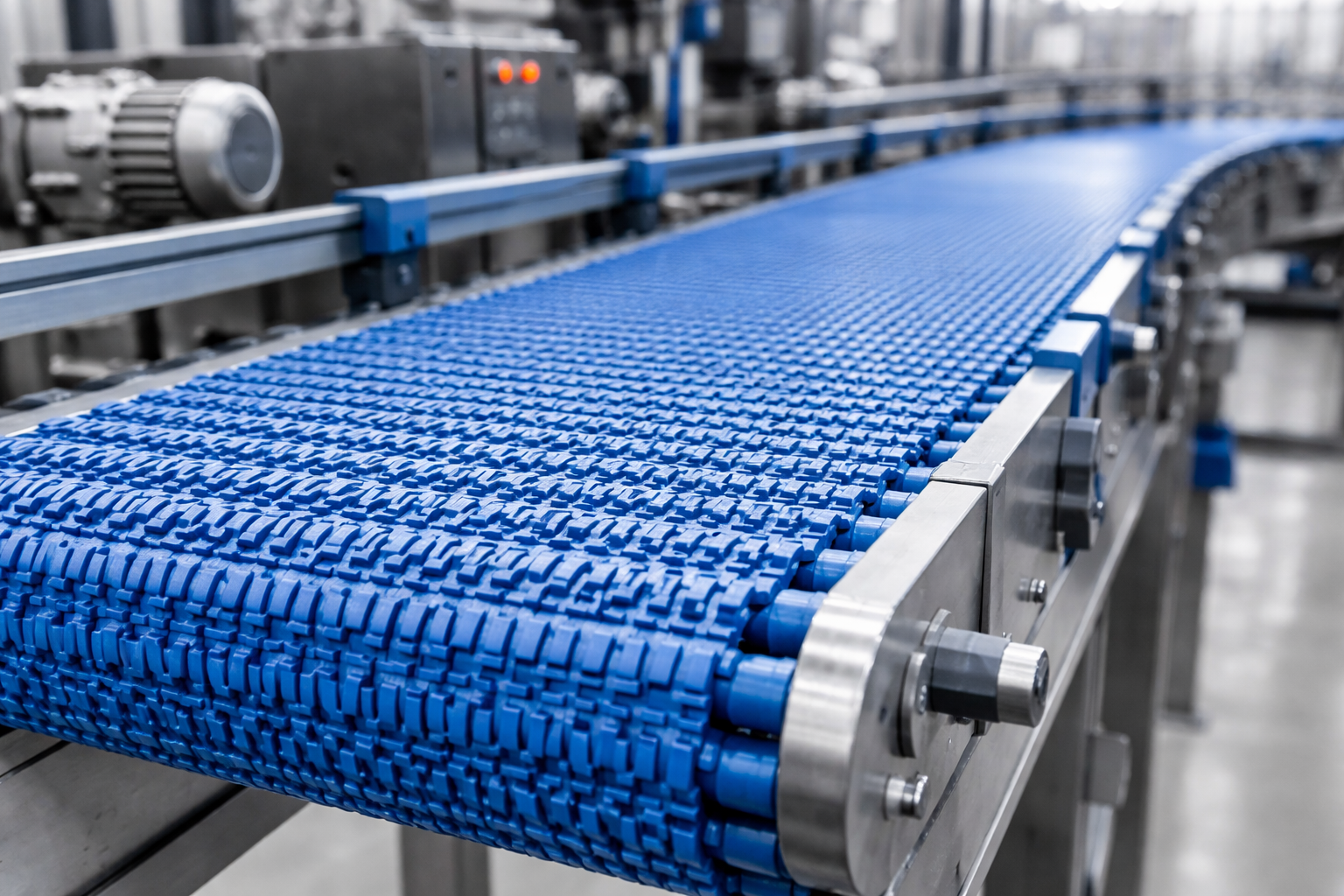
What is a Plastic Modular Belt?
The field of industrial automation is constantly evolving, with technological advancements continuously improving efficiency and productivity. Among numerous innovations, modular plastic conveyor belts have emerged as a transformative solution for conveyor systems, particularly suitable for heavy industry. Their unique design and functional advantages are unmatched by traditional conveyor belts. To fully understand the impact of modular plastic conveyor belts, it is necessary to explore their composition, characteristics, and specific benefits in various applications.
Composition and Structure
Plastic modular belts are constructed from individual modules, typically made of durable engineered plastics. These modules interlock, creating a continuous surface that can be tailored to various widths and lengths, allowing for versatility in design. The modular nature means that if a section of the belt is damaged, it can be replaced without needing to replace the entire belt. This interoperability is a key feature that enhances maintenance efficiency and reduces downtime.
Material Composition
The materials utilized in manufacturing plastic modular belts are carefully selected for their strength, durability, and resistance to wear. Common materials include polyethylene, polypropylene, and polycarbonate, each chosen for their specific properties that contribute to the operational efficiency of the belt. For instance, polyethylene is known for its excellent chemical resistance and low friction properties, making it ideal for applications that require smooth product handling.
Modular Design Features
Interlocking modules for plastic conveyor belts can be designed in various shapes and sizes to meet the needs of specific applications. This flexibility allows the conveyor belts to adopt different surface textures, thereby enhancing grip or facilitating product movement according to operational requirements. Furthermore, these conveyor belts are typically equipped with side rails and baffles to help control product orientation and prevent slippage during transport.
Advantages Over Traditional Conveyor Belts
Plastic modular belts offer numerous advantages over traditional conveyor systems, particularly in heavy-duty industries such as food processing, automotive, and manufacturing. The following sections delve deeper into these benefits, illustrating why many industries are shifting towards modular belt technology.
Enhanced Durability and Longevity
One of the most significant advantages of plastic modular belts is their extraordinary durability. Unlike traditional fabric or rubber belts, plastic modular belts are resistant to moisture, chemicals, and temperatures that can otherwise degrade material integrity. This resilience translates into longer service life, reducing the frequency of replacements and associated costs.
Easy Maintenance and Repair
For any industrial operation, minimizing downtime is crucial. Plastic modular belts excel in this regard, as their modular design allows for quick and straightforward repairs. If a module becomes worn or damaged, it can be easily replaced without needing specialized tools or extensive disassembly of the conveyor system. This ease of maintenance not only saves time but also significantly reduces labor costs associated with conveyor upkeep.
Customization for Specific Applications
The modularity of these belts also provides the opportunity for customization to meet the unique demands of various applications. For instance, in food processing, belts can be designed with enhanced hygiene features, such as closed surfaces that minimize the risk of contamination. In manufacturing, the ability to configure belts for inclined or declined transport can streamline production processes and improve operational efficiency.
Versatility in Application
The adaptability of plastic modular belts extends across numerous industries, each benefiting from their tailored designs and functionality. The following sectors exemplify the extensive application potential of these conveyor systems.
Food Processing Industry
In the food processing sector, hygiene is paramount. Plastic modular belts are engineered to meet strict sanitation standards, making them ideal for transporting food products. Their smooth surfaces allow for easy cleaning, reducing the risk of bacterial growth. Additionally, the ability to create belts with different textures and profiles ensures optimal product handling, whether it’s moving delicate pastries or heavy bulk items.
Automotive Manufacturing
The automotive industry often requires conveyor systems that can handle heavy loads while maintaining precise product orientation. Plastic modular belts can be configured with side guards and performance-enhancing features, ensuring that components move seamlessly through assembly lines. Their durability also means that they can withstand the rigors of heavy parts transportation without suffering from premature wear.
Packaging and Distribution
In packaging and distribution, efficiency is key. Plastic modular belts facilitate smooth transitions between different processing stages, from packaging to palletizing. Their ability to accommodate various package shapes and sizes makes them ideal for this industry, where adaptability is crucial. Moreover, the modular design allows for quick reconfiguration of conveyor setups to adapt to changing production requirements.
Technological Integration
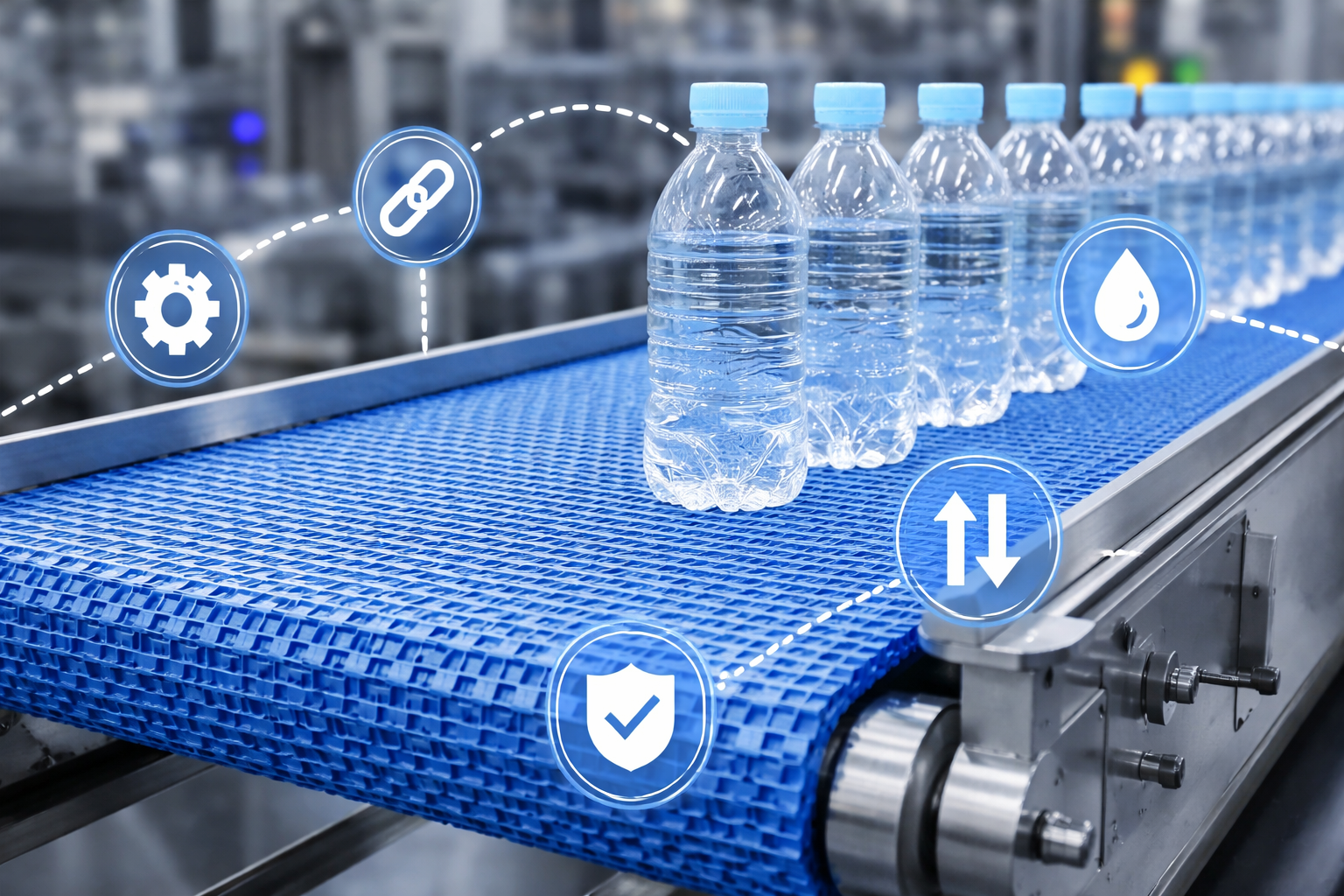
As industries increasingly embrace automation and smart technologies, plastic modular belts are no exception. Their design allows for easy integration with advanced conveyor system features, such as sensors and automation controls, enhancing operational efficiency.
Automation Compatibility
Plastic modular belts can be seamlessly integrated into automated systems, facilitating enhanced control over product flow. Sensors can be employed to monitor belt performance in real-time, providing essential data to optimize operations. This integration contributes to reduced labor costs and increased production accuracy, heralding a new era of efficiency in heavy-duty industries.
Data-Driven Insights
The combination of modular belt technology with IoT capabilities allows for the collection and analysis of data pertaining to operational performance. This data-driven approach enables businesses to make informed decisions, identifying areas for improvement and enhancing overall productivity. As industries continue to evolve, the synergy between plastic modular belts and advanced technologies will define the future of conveyor systems.
Environmental Considerations
In an era where sustainability is becoming increasingly important, plastic modular belts also offer environmental benefits. Their durability contributes to reduced waste, as longer-lasting belts mean fewer replacements and less material sent to landfills. Furthermore, many manufacturers are beginning to utilize recyclable materials in the production of modular belts, aligning with broader environmental goals.
Energy Efficiency
Plastic modular belts are designed to minimize energy consumption, further contributing to their eco-friendly appeal. The low friction properties of the materials used mean that less energy is required to drive the conveyor system, ultimately lowering operating costs and reducing the carbon footprint associated with industrial processes.
Recyclability and Sustainability
As industries move towards sustainable practices, the recyclability of plastic modular belts provides an avenue for reducing environmental impact. Modular belts can often be recycled at the end of their life cycle, breaking down into raw materials that can be repurposed for new products. This circular approach not only supports environmental sustainability but also aligns with corporate social responsibility initiatives.
The Future of Plastic Modular Belts
The journey of plastic modular belts is far from over. As technology continues to advance, the possibilities for innovation within this realm are endless. From enhanced materials with superior properties to smarter systems that leverage artificial intelligence, the future holds great promise for industries that adopt modular belt technology.
Innovative Material Development
Research into new materials that enhance the performance of plastic modular belts is ongoing. Future developments may lead to belts that are even more resistant to extreme conditions or those that incorporate antimicrobial properties to further improve hygiene in food processing applications. The exploration of biodegradable materials is also a burgeoning field, providing exciting prospects for sustainable development.
Integration with Industry 4.0
The advent of Industry 4.0 has ushered in a new era of connected machinery and systems. Modular plastic conveyor belts, with their modular nature, can seamlessly integrate smart technologies and are poised to lead this transformation. This integration will facilitate improvements in predictive maintenance, automation, and data analytics, enabling manufacturers to optimize operations in unprecedented ways.
Modular plastic conveyor belts represent a significant leap forward in conveying technology, offering unparalleled advantages to a wide range of heavy industries. Their unique design, coupled with adaptability, efficiency, and sustainability, makes them an indispensable component of modern industrial processes. Looking ahead, the innovative potential of this field will continue to shape the landscape of automation and manufacturing.
How Plastic Modular Belts Revolutionize Conveyor Systems for Heavy-Duty Industries
Introduction to Plastic Modular Belts
In the realm of conveyor technology, plastic modular belts stand as a hallmark of innovation. Their robust design and adaptability have transformed the landscape of heavy-duty industries, offering unmatched efficiency and reliability. Unlike traditional belts, plastic modular belts consist of interlocking plastic modules, which facilitate a multitude of applications across diverse sectors.
The Traditional Conveyor System
Prior to the advent of plastic modular belts, conveyor systems predominantly relied on fabric or rubber belts. These materials often fell short in terms of durability and maintenance. They exhibited premature wear due to exposure to harsh environments, leading to frequent downtimes and increased operational costs. The following data illustrates the stark contrast between traditional conveyor systems and the modern solutions offered by plastic modular belts:
Performance Metrics
- Average lifespan of traditional fabric belts: 1-3 years
- Frequency of maintenance: Monthly
- Downtime due to belt failure: 5-10 hours per month
- Replacement costs: $2,500 annually
The Plastic Modular Belt Advantage
The introduction of plastic modular belts has addressed many of the shortcomings of traditional conveyor systems. These belts are engineered for durability, flexibility, and ease of maintenance. A case study from a heavy-duty manufacturing plant exemplifies this transformation.
Case Study: A Heavy-Duty Manufacturing Facility
In a large-scale manufacturing facility dealing with heavy metal components, the management faced significant challenges with their existing conveyor system. The fabric belts continually suffered from stretching, fraying, and tearing, prompting an extensive investigation into alternatives.
Installation of Plastic Modular Belts
After comprehensive research, the facility transitioned to plastic modular belts. The installation process involved dismantling the old conveyor system, which took approximately one week. Subsequently, the new modular belts were installed, tailored to fit the specific dimensions and requirements of the existing framework.
Performance Comparison Post-Installation
The results post-installation were compelling. The operational metrics were monitored over a span of six months, showcasing a significant improvement:
- Average lifespan of plastic modular belts: 10 years
- Frequency of maintenance: Biannual
- Downtime due to belt failure: Less than 1 hour per month
- Replacement costs: Reduced to $500 annually
Key Features of Plastic Modular Belts
The success witnessed in the aforementioned case study can be attributed to several key features of plastic modular belts:
Durability
Manufactured from high-grade plastics, these belts can withstand extreme temperatures, corrosive materials, and heavy loads. This durability ensures prolonged service life, translating to lower costs over time.
Modularity
The interlocking design allows for easy customization and scalability. If a production line changes, the belt can be easily modified without requiring complete system overhauls, thus saving both time and resources.
Cleanability
Hygiene is paramount in heavy-duty industries. Plastic modular belts can be disassembled for thorough cleaning, ensuring compliance with health and safety regulations, particularly in sectors such as food processing or pharmaceuticals.
Cost-Benefit Analysis
The financial implications of switching to plastic modular belts extend beyond just direct costs. A comprehensive cost-benefit analysis reveals the broader economic impact:
Initial Investment vs. Long-Term Savings
The initial investment for plastic modular belts is typically higher than that of traditional belts. However, the long-term savings are substantial. Reduced downtime, lower maintenance costs, and extended lifespan yield a favorable return on investment (ROI).
Employee Productivity
With less time spent on repairs and maintenance, employees can focus on their core tasks, enhancing overall productivity. The improved flow of materials leads to faster processing times, directly impacting the bottom line.
Environmental Considerations
In an age where sustainability is crucial, the eco-friendly nature of plastic modular belts is noteworthy. Many manufacturers produce these belts from recyclable materials, and their longevity means less waste in landfills. Moreover, the efficiency gains can lead to reduced energy consumption, further contributing to a smaller carbon footprint.
Energy Efficiency
Plastic modular belts often require less power to operate compared to traditional conveyor systems. This reduction in energy requirement is not only cost-effective but also aligns with global efforts to minimize environmental impact.
Future Trends in Conveyor Technology
The future of conveyor technology is likely to be influenced by advancements in automation and smart technologies. The integration of IoT (Internet of Things) with conveyor systems will allow for real-time monitoring and predictive maintenance, reducing unforeseen disruptions.
Integration of Smart Technologies
Intelligent conveyor systems equipped with sensors provide data analytics, enabling operators to track performance metrics and predict potential failures. This proactive approach further enhances the reliability and efficiency of conveyor systems.
With the continuous development of various industries and the increasing demand for efficiency, modular plastic conveyor belts will undoubtedly play a crucial role. Their introduction has not only optimized conveyor systems but also reshaped the operating models of heavy industry. The transition from traditional to modern systems marks a significant step forward in improving efficiency, sustainability, and reducing costs.
How Plastic Modular Belts Revolutionize Conveyor Systems for Heavy-Duty Industries
Introduction to Plastic Modular Belts
In the realm of conveyor technology, plastic modular belts stand as a hallmark of innovation. Their robust design and adaptability have transformed the landscape of heavy-duty industries, offering unmatched efficiency and reliability. Unlike traditional belts, plastic modular belts consist of interlocking plastic modules, which facilitate a multitude of applications across diverse sectors.
The Traditional Conveyor System
Prior to the advent of plastic modular belts, conveyor systems predominantly relied on fabric or rubber belts. These materials often fell short in terms of durability and maintenance. They exhibited premature wear due to exposure to harsh environments, leading to frequent downtimes and increased operational costs. The following data illustrates the stark contrast between traditional conveyor systems and the modern solutions offered by plastic modular belts:
Performance Metrics
- Average lifespan of traditional fabric belts: 1-3 years
- Frequency of maintenance: Monthly
- Downtime due to belt failure: 5-10 hours per month
- Replacement costs: $2,500 annually
The Plastic Modular Belt Advantage
The introduction of plastic modular belts has addressed many of the shortcomings of traditional conveyor systems. These belts are engineered for durability, flexibility, and ease of maintenance. A case study from a heavy-duty manufacturing plant exemplifies this transformation.
Case Study: A Heavy-Duty Manufacturing Facility
In a large-scale manufacturing facility dealing with heavy metal components, the management faced significant challenges with their existing conveyor system. The fabric belts continually suffered from stretching, fraying, and tearing, prompting an extensive investigation into alternatives.
Installation of Plastic Modular Belts
After comprehensive research, the facility transitioned to plastic modular belts. The installation process involved dismantling the old conveyor system, which took approximately one week. Subsequently, the new modular belts were installed, tailored to fit the specific dimensions and requirements of the existing framework.
Performance Comparison Post-Installation
The results post-installation were compelling. The operational metrics were monitored over a span of six months, showcasing a significant improvement:
- Average lifespan of plastic modular belts: 10 years
- Frequency of maintenance: Biannual
- Downtime due to belt failure: Less than 1 hour per month
- Replacement costs: Reduced to $500 annually
Key Features of Plastic Modular Belts
The success witnessed in the aforementioned case study can be attributed to several key features of plastic modular belts:
Durability
Manufactured from high-grade plastics, these belts can withstand extreme temperatures, corrosive materials, and heavy loads. This durability ensures prolonged service life, translating to lower costs over time.
Modularity
The interlocking design allows for easy customization and scalability. If a production line changes, the belt can be easily modified without requiring complete system overhauls, thus saving both time and resources.
Cleanability
Hygiene is paramount in heavy-duty industries. Plastic modular belts can be disassembled for thorough cleaning, ensuring compliance with health and safety regulations, particularly in sectors such as food processing or pharmaceuticals.
Cost-Benefit Analysis
The financial implications of switching to plastic modular belts extend beyond just direct costs. A comprehensive cost-benefit analysis reveals the broader economic impact:
Initial Investment vs. Long-Term Savings
The initial investment for plastic modular belts is typically higher than that of traditional belts. However, the long-term savings are substantial. Reduced downtime, lower maintenance costs, and extended lifespan yield a favorable return on investment (ROI).
Employee Productivity
With less time spent on repairs and maintenance, employees can focus on their core tasks, enhancing overall productivity. The improved flow of materials leads to faster processing times, directly impacting the bottom line.
Environmental Considerations
In an age where sustainability is crucial, the eco-friendly nature of plastic modular belts is noteworthy. Many manufacturers produce these belts from recyclable materials, and their longevity means less waste in landfills. Moreover, the efficiency gains can lead to reduced energy consumption, further contributing to a smaller carbon footprint.
Energy Efficiency
Plastic modular belts often require less power to operate compared to traditional conveyor systems. This reduction in energy requirement is not only cost-effective but also aligns with global efforts to minimize environmental impact.
Future Trends in Conveyor Technology
The future of conveyor technology is likely to be influenced by advancements in automation and smart technologies. The integration of IoT (Internet of Things) with conveyor systems will allow for real-time monitoring and predictive maintenance, reducing unforeseen disruptions.
Integration of Smart Technologies
Intelligent conveyor systems equipped with sensors provide data analytics, enabling operators to track performance metrics and predict potential failures. This proactive approach further enhances the reliability and efficiency of conveyor systems.
With the continuous development of various industries and the increasing demand for efficiency, modular plastic conveyor belts will undoubtedly play a crucial role. Their introduction has not only optimized conveyor systems but also reshaped the operating models of heavy industry. The transition from traditional to modern systems marks a significant step forward in improving efficiency, sustainability, and reducing costs.
How Plastic Modular Belts Revolutionize Conveyor Systems for Heavy-Duty Industries
Introduction to Plastic Modular Belts
In the realm of conveyor technology, plastic modular belts stand as a hallmark of innovation. Their robust design and adaptability have transformed the landscape of heavy-duty industries, offering unmatched efficiency and reliability. Unlike traditional belts, plastic modular belts consist of interlocking plastic modules, which facilitate a multitude of applications across diverse sectors.
The Traditional Conveyor System
Prior to the advent of plastic modular belts, conveyor systems predominantly relied on fabric or rubber belts. These materials often fell short in terms of durability and maintenance. They exhibited premature wear due to exposure to harsh environments, leading to frequent downtimes and increased operational costs. The following data illustrates the stark contrast between traditional conveyor systems and the modern solutions offered by plastic modular belts:
Performance Metrics
- Average lifespan of traditional fabric belts: 1-3 years
- Frequency of maintenance: Monthly
- Downtime due to belt failure: 5-10 hours per month
- Replacement costs: $2,500 annually
The Plastic Modular Belt Advantage
The introduction of plastic modular belts has addressed many of the shortcomings of traditional conveyor systems. These belts are engineered for durability, flexibility, and ease of maintenance. A case study from a heavy-duty manufacturing plant exemplifies this transformation.
Case Study: A Heavy-Duty Manufacturing Facility
In a large-scale manufacturing facility dealing with heavy metal components, the management faced significant challenges with their existing conveyor system. The fabric belts continually suffered from stretching, fraying, and tearing, prompting an extensive investigation into alternatives.
Installation of Plastic Modular Belts
After comprehensive research, the facility transitioned to plastic modular belts. The installation process involved dismantling the old conveyor system, which took approximately one week. Subsequently, the new modular belts were installed, tailored to fit the specific dimensions and requirements of the existing framework.
Performance Comparison Post-Installation
The results post-installation were compelling. The operational metrics were monitored over a span of six months, showcasing a significant improvement:
- Average lifespan of plastic modular belts: 10 years
- Frequency of maintenance: Biannual
- Downtime due to belt failure: Less than 1 hour per month
- Replacement costs: Reduced to $500 annually
Key Features of Plastic Modular Belts
The success witnessed in the aforementioned case study can be attributed to several key features of plastic modular belts:
Durability
Manufactured from high-grade plastics, these belts can withstand extreme temperatures, corrosive materials, and heavy loads. This durability ensures prolonged service life, translating to lower costs over time.
Modularity
The interlocking design allows for easy customization and scalability. If a production line changes, the belt can be easily modified without requiring complete system overhauls, thus saving both time and resources.
Cleanability
Hygiene is paramount in heavy-duty industries. Plastic modular belts can be disassembled for thorough cleaning, ensuring compliance with health and safety regulations, particularly in sectors such as food processing or pharmaceuticals.
Cost-Benefit Analysis
The financial implications of switching to plastic modular belts extend beyond just direct costs. A comprehensive cost-benefit analysis reveals the broader economic impact:
Initial Investment vs. Long-Term Savings
The initial investment for plastic modular belts is typically higher than that of traditional belts. However, the long-term savings are substantial. Reduced downtime, lower maintenance costs, and extended lifespan yield a favorable return on investment (ROI).
Employee Productivity
With less time spent on repairs and maintenance, employees can focus on their core tasks, enhancing overall productivity. The improved flow of materials leads to faster processing times, directly impacting the bottom line.
Environmental Considerations
In an age where sustainability is crucial, the eco-friendly nature of plastic modular belts is noteworthy. Many manufacturers produce these belts from recyclable materials, and their longevity means less waste in landfills. Moreover, the efficiency gains can lead to reduced energy consumption, further contributing to a smaller carbon footprint.
Energy Efficiency
Plastic modular belts often require less power to operate compared to traditional conveyor systems. This reduction in energy requirement is not only cost-effective but also aligns with global efforts to minimize environmental impact.
Future Trends in Conveyor Technology
The future of conveyor technology is likely to be influenced by advancements in automation and smart technologies. The integration of IoT (Internet of Things) with conveyor systems will allow for real-time monitoring and predictive maintenance, reducing unforeseen disruptions.
Integration of Smart Technologies
Smart conveyor systems equipped with sensors can provide data analytics, enabling operators to track performance metrics and foresee potential failures before they occur. This proactive approach can further enhance the reliability and efficiency of conveyor systems.
As industries evolve and the demand for efficiency intensifies, plastic modular belts will undoubtedly play a pivotal role. Their introduction has not only optimized conveyor systems but has reshaped operational paradigms across heavy-duty industries. The transition from traditional to modern systems marks a significant step toward achieving greater efficiency, sustainability, and cost savings.
Case Study: Implementation of Plastic Modular Belts in a Food Processing Facility
In the highly competitive food processing industry, efficiency and hygiene are paramount. A leading food processing plant, renowned for its pursuit of excellence and innovation, recently undertook a major overhaul of its conveyor system. The plant decided to adopt modular plastic conveyor belts to improve performance, reduce downtime, and meet stringent hygiene regulations. This case study will delve into the implementation process and demonstrate the transformative impact of modular plastic conveyor belts by comparing data before and after installation.
Background of the Facility
The facility specializes in the production of frozen food products, serving both retail and food service sectors. The existing conveyor systems, which predominantly utilized traditional fabric belts, were plagued by multiple issues. Frequent breakdowns resulted in substantial losses, not only in terms of product but also in labor costs associated with maintenance efforts. Moreover, the hygiene standards were challenging to meet, as fabric belts were difficult to clean and prone to bacterial contamination.
Pre-Installation Challenges
Prior to the installation of plastic modular belts, the facility faced several operational hurdles. Productivity assessments revealed that the existing conveyor systems operated at only 75% efficiency, primarily due to the frequent need for repairs and cleaning. Each downtime incident averaged around two hours, with an estimated loss of $5,000 per hour during production halts. Additionally, the cleaning procedures required extensive labor hours, averaging 15 hours per week, further straining the budget and resources.
Selection of Plastic Modular Belts
After thorough market research and consultations with industry experts, the facility opted for a specific type of plastic modular belt designed for the food processing sector. The chosen belts featured a combination of polyethylene and polypropylene, providing a balance of durability and chemical resistance. The interlocking design allowed for easy customization and integration with existing conveyor setups, ensuring a seamless transition.
Customization and Design Features
The selected modular belts were tailored to meet the specific demands of the facility. Features included specialized surface textures for optimal grip, side guides for product orientation, and cleats to facilitate the movement of goods on inclines. This customization was critical, as it enabled the facility to address unique product handling requirements, from delicate frozen pastries to bulk packaged items.
Installation Process
The installation of plastic modular belts was strategically planned to minimize disruptions to ongoing operations. The replacement was executed over a two-week period, during which parts of the conveyor systems were upgraded incrementally. This phased approach allowed for continued production while ensuring that the new belts were installed correctly and tested for effectiveness.
Initial Performance Metrics
Post-installation assessments were conducted to evaluate the new system’s performance. Key performance indicators (KPIs) such as operational efficiency, downtime, and labor costs were measured against pre-installation data. Within the first month, the facility recorded a jump in operational efficiency to 92%. Downtime incidents were reduced to an average of 30 minutes per occurrence, translating to a significant reduction in production losses.
Operational Benefits
The benefits of plastic modular belts quickly became apparent. The enhanced durability of the new belts was evident; they resisted moisture and chemical exposure far better than traditional fabric belts. Maintenance teams reported that the new belts required less frequent cleaning, which now averaged only 7 hours per week, significantly lowering labor costs related to sanitation.
Hygiene Improvements
Hygiene, a critical concern in food processing, also improved dramatically. The modular belts’ smooth surfaces facilitated easier cleaning, and the closed design minimized potential contamination risks. Regular microbiological testing showed a 70% reduction in bacterial presence on conveyor surfaces, aligning with food safety standards and enhancing the facility’s reputation among clients.
Long-Term Impact and ROI
As the months progressed, the facility continued to monitor the performance of the plastic modular belts. A comprehensive analysis conducted six months after installation highlighted a return on investment (ROI) exceeding 150%. The reduction in production downtime and labor costs led to annual savings of approximately $250,000. Furthermore, the improved hygiene standards resulted in fewer health-related incidents, fostering greater employee satisfaction and safety.
Feedback from the Workforce
The operators and maintenance staff reported greater satisfaction with the new system. The ease of maintenance and the reduced frequency of repairs contributed to a more streamlined workflow. Employees found that the modular belts enhanced their ability to manage production effectively, resulting in a more cohesive and motivated workforce.
Future Prospects
Encouraged by the positive results, the factory plans to explore further innovative solutions. Currently, discussions are underway regarding integrating IoT sensors into the conveyor system, enabling real-time monitoring and predictive maintenance. This integration aligns with Industry 4.0 principles and is expected to further improve efficiency and reduce operational risks.
The adoption of modular plastic conveyor belts has proven to be a revolutionary change in the operating model of this food processing plant. With increased durability, improved hygiene, and significant cost savings, the factory has become a leader in innovative food processing solutions. As the industry continues to evolve, adopting such advanced technologies is crucial for maintaining a competitive edge and ensuring operational excellence.
edit by gzl