
What is a Plastic Modular Belt?
In the fields of industrial automation and packaging, “modular plastic conveyor belts” refer to a precision conveying system composed of interlocking plastic modules. These modules are designed to provide highly customizable and versatile solutions for a wide range of material handling needs, particularly in packaging production lines. Unlike traditional conveyor belts typically made of rubber or fabric, modular plastic conveyor belts offer unique advantages in terms of improved operating efficiency, durability, and ease of maintenance.
The Structure of Plastic Modular Belts
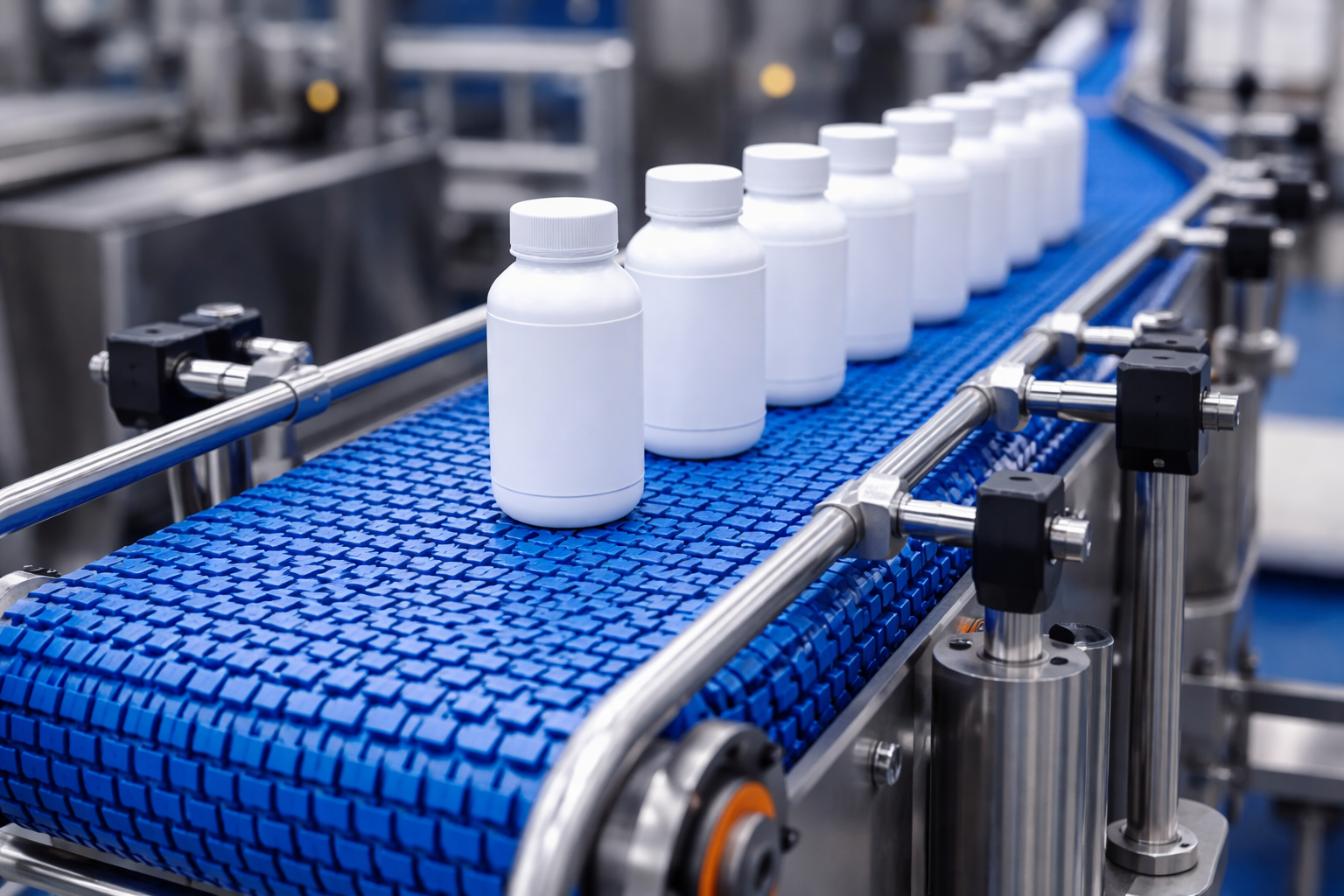
Modular plastic conveyor belts consist of numerous interconnected independent modules forming a continuous conveyor belt. Each module can be designed in various shapes and sizes, allowing for customized configurations for specific applications. The lightweight properties of plastic materials combined with the modular design make the conveyor belt easier to handle and install, making it a flexible and scalable solution for manufacturers.
Material Composition
The materials used in the manufacturing of plastic modular belts are typically high-density polyethylene (HDPE) or polypropylene. These materials are not only robust and resistant to wear but also exhibit excellent chemical resistance. This is particularly crucial in food and beverage industries, where the belts can encounter various substances that might otherwise compromise the integrity of traditional materials.
Modular Design Advantages
One of the most significant features of plastic modular belts is their modular design, which provides flexibility in terms of length, width, and shape. This modularity allows for easy modifications and repairs. If a single module becomes damaged, it can be replaced without having to discard the entire belt, resulting in reduced downtime and cost savings. Moreover, the ability to customize the belt configuration enhances its compatibility with diverse machinery and packaging operations.
Enhancing Quality Control in Packaging Lines
Quality control is paramount in packaging lines, where precision and consistency are critical. Plastic modular belts contribute significantly to improving quality control through various mechanisms and features.
Precision Movement
The design of plastic modular belts promotes precise tracking and movement. This precision ensures that products are transported smoothly and consistently along the packaging line. As a result, items are less likely to become misaligned or damaged during transit. This aspect is especially crucial in high-speed packaging environments, where speed does not compromise quality.
Cleanability and Hygiene
In industries such as food and pharmaceuticals, sanitation is vital. Plastic modular belts are easier to clean than traditional conveyor systems. They can be disassembled quickly for thorough cleaning, which reduces the risk of contamination. The smooth surface of the plastic also minimizes the accumulation of dirt and debris, fostering a more hygienic environment and ensuring compliance with stringent health regulations.
Reduced Downtime
Minimizing downtime is essential for maintaining efficiency in packaging lines. The modular nature of plastic belts means that maintenance can be conducted swiftly without interrupting production. Scheduled maintenance can be planned effectively, and issues can be addressed rapidly, ensuring that the packaging process remains uninterrupted.
Applications of Plastic Modular Belts in Various Industries
Plastic modular belts find applications across various sectors, each benefiting from the unique capabilities of these conveyor systems.
Food and Beverage Industry
In the food and beverage sector, plastic modular belts excel due to their hygienic properties. They are employed in processes such as transporting baked goods, bottling beverages, and packaging snacks. Their ability to withstand cleaning agents and high temperatures makes them ideal for environments where cleanliness is paramount.
Pharmaceutical Industry
The pharmaceutical industry requires stringent adherence to quality control standards. Plastic modular belts are used for handling products in sterile environments, ensuring that items remain uncontaminated. Their easy cleanability ensures compliance with regulatory standards, helping manufacturers avoid costly recalls.
Automotive Industry
In the automotive sector, plastic modular belts are utilized in assembly lines where precision is key. They handle components with care, preventing damage that could result from traditional conveyor systems. The adaptability of these belts makes them suitable for various stages of automotive manufacturing, from part assembly to final packaging.
Technological Innovations in Plastic Modular Belts
As technology advances, so does the capabilities of plastic modular belts. Innovations are continuously emerging to enhance their functionality and performance.
Integration with Automation Systems
Modern plastic modular belts can be seamlessly integrated with automation systems, such as robotics and sensors. This integration allows for real-time monitoring of product flow and quality, facilitating immediate adjustments to the packaging process. Such technological synergies enhance overall productivity and reduce the likelihood of errors.
Smart Belt Technologies
Some manufacturers are incorporating smart technologies into plastic modular belts. These innovations can include embedded sensors that monitor belt tension, speed, and condition. Such data can be invaluable for predictive maintenance, allowing companies to proactively address potential issues before they escalate into costly downtimes.
Cost Efficiency and Sustainability
Cost efficiency is a significant factor in the choice of conveyor systems. The initial investment in plastic modular belts may be higher than traditional options, but the long-term savings are substantial.
Durability and Longevity
Plastic modular belts are designed for durability. Their resistance to wear and tear results in a longer operational lifespan compared to conventional belts. This longevity translates to fewer replacements and lower maintenance costs over time, making them a cost-effective choice for manufacturers.
Sustainable Practices
With increasing emphasis on sustainability, plastic modular belts contribute positively to eco-friendly practices. Many manufacturers are now producing these belts using recyclable materials, reducing the environmental impact. Additionally, the energy efficiency of plastic modular belts during operation can contribute to lower carbon footprints in production facilities.
Challenges and Considerations
Despite their numerous advantages, there are challenges associated with the use of plastic modular belts that manufacturers should consider.
Initial Investment
The upfront cost of acquiring plastic modular belts can be daunting for some companies. While the long-term benefits are substantial, the initial investment may require careful financial planning. Businesses must weigh the potential return on investment against initial costs to make informed decisions.
Temperature Limitations
Although plastic modular belts are designed for versatility, they do have temperature limitations. High-temperature applications may require specific materials or designs to ensure optimal performance. Understanding the operational environment and selecting the right belt material is crucial in mitigating potential issues.
The Future of Plastic Modular Belts
As industries evolve, so too will the technologies surrounding plastic modular belts. The ongoing quest for efficiency, sustainability, and adaptability will drive innovation in this sector. With advancements in materials science and automation technology, the future of plastic modular belts seems bright, paving the way for enhanced performance in packaging lines and beyond.
How Plastic Modular Belts Improve Quality Control in Packaging Lines
Introduction to Plastic Modular Belts
Plastic modular belts have revolutionized the landscape of packaging lines, providing solutions that transcend the limitations of traditional conveyor systems. Composed of interlocking plastic segments, these belts offer unmatched versatility and durability. Their design allows for easy customization, enabling businesses to streamline their operations and enhance quality control. This article delves into a pertinent case study that illustrates how the implementation of plastic modular belts significantly improved quality control within a packaging line.
Case Study Overview: The Beverage Packaging Company
In this case study, we explore a medium-sized beverage packaging company that faced challenges with product consistency and quality during its packaging process. Prior to the installation of plastic modular belts, the company utilized a conventional belt conveyor system that presented several issues, including misalignment, product jams, and inconsistent speed. The effects of these issues were not trivial; the company reported a product rejection rate of approximately 15%, leading to considerable financial losses and customer dissatisfaction.
The Transition to Plastic Modular Belts
Recognizing the need for a more efficient solution, the company opted to install a new plastic modular belt system. The transition involved thorough planning and execution, focusing on the specific needs of the packaging line.
Impact on Quality Control
The improvements in performance metrics translated directly to enhancements in quality control. The following areas were notably affected:
Consistency of Product Flow
The modular design of the plastic belts ensures consistent product flow, minimizing the risk of jams and misalignments. As a result, products moved smoothly from one stage of the packaging process to the next without interruption.
Reduction of Contamination Risks
The non-porous nature of plastic modular belts reduced the risk of contamination, a significant concern in the beverage industry. The ease of cleaning and sanitization further ensured that hygiene standards were maintained.
Enhanced Traceability
The modular design allowed for the incorporation of tracking mechanisms within the belts. This feature enabled the company to enhance traceability of products on the packaging line, ensuring that any quality issues could be traced back to specific batches of product.
Long-Term Benefits and ROI
The long-term benefits of transitioning to plastic modular belts extend beyond immediate operational efficiencies. Financial analyses indicated a favorable return on investment (ROI) within the first year post-installation. The reduction in product rejection rates and labor costs contributed to overall profitability.
Scalability and Future Prospects
Furthermore, the flexibility of modular conveyor belts lays the foundation for the company’s future growth. As product demand increases, the ease with which the conveyor system can be modified and expanded provides a significant competitive advantage.
This case study of a beverage packaging company fully demonstrates the transformative potential of modular plastic conveyor belts in improving quality control on packaging production lines. The shift from traditional conveyor systems to advanced modular technology not only improved operational efficiency but also positively impacted the overall quality of the final product. Through meticulous planning, execution, and performance monitoring, the company successfully met the challenges of modern packaging demands.
How Plastic Modular Belts Improve Quality Control in Packaging Lines
Introduction to Plastic Modular Belts
Modular plastic conveyor belts have revolutionized packaging production lines, offering solutions that transcend the limitations of traditional conveyor systems. These belts, composed of interconnected plastic segments, offer unparalleled versatility and durability. Their customizable design allows companies to streamline operations and improve quality control. This article will delve into a relevant case study to illustrate how the application of modular plastic conveyor belts can significantly improve quality control in packaging production lines.
Case Study Overview: The Beverage Packaging Company
In this case study, we explore a medium-sized beverage packaging company that faced challenges with product consistency and quality during its packaging process. Prior to the installation of plastic modular belts, the company utilized a conventional belt conveyor system that presented several issues, including misalignment, product jams, and inconsistent speed. The effects of these issues were not trivial; the company reported a product rejection rate of approximately 15%, leading to considerable financial losses and customer dissatisfaction.
The Transition to Plastic Modular Belts
Recognizing the need for a more efficient solution, the company opted to install a new plastic modular belt system. The transition involved thorough planning and execution, focusing on the specific needs of the packaging line.
Impact on Quality Control
The improvements in performance metrics translated directly to enhancements in quality control. The following areas were notably affected:
Consistency of Product Flow
The modular design of the plastic belts ensures consistent product flow, minimizing the risk of jams and misalignments. As a result, products moved smoothly from one stage of the packaging process to the next without interruption.
Reduction of Contamination Risks
The non-porous nature of plastic modular belts reduced the risk of contamination, a significant concern in the beverage industry. The ease of cleaning and sanitization further ensured that hygiene standards were maintained.
Enhanced Traceability
The modular design allowed for the incorporation of tracking mechanisms within the belts. This feature enabled the company to enhance traceability of products on the packaging line, ensuring that any quality issues could be traced back to specific batches of product.
Long-Term Benefits and ROI
The long-term benefits of transitioning to plastic modular belts extend beyond immediate operational efficiencies. Financial analyses indicated a favorable return on investment (ROI) within the first year post-installation. The reduction in product rejection rates and labor costs contributed to overall profitability.
Scalability and Future Prospects
Furthermore, the flexibility of modular conveyor belts lays the foundation for the company’s future growth. As product demand increases, the ease with which the conveyor system can be modified and expanded provides a significant competitive advantage.
This case study of a beverage packaging company fully demonstrates the transformative potential of modular plastic conveyor belts in improving quality control on packaging production lines. The shift from traditional conveyor systems to advanced modular technology not only improved operational efficiency but also positively impacted the overall quality of the final product. Through meticulous planning, execution, and performance monitoring, the company successfully met the challenges of modern packaging demands.
How Plastic Modular Belts Improve Quality Control in Packaging Lines
Introduction to Plastic Modular Belts
Plastic modular belts have revolutionized the landscape of packaging lines, providing solutions that transcend the limitations of traditional conveyor systems. Composed of interlocking plastic segments, these belts offer unmatched versatility and durability. Their design allows for easy customization, enabling businesses to streamline their operations and enhance quality control. This article delves into a pertinent case study that illustrates how the implementation of plastic modular belts significantly improved quality control within a packaging line.
Case Study Overview: The Beverage Packaging Company
In this case study, we explore a medium-sized beverage packaging company that faced challenges with product consistency and quality during its packaging process. Prior to the installation of plastic modular belts, the company utilized a conventional belt conveyor system that presented several issues, including misalignment, product jams, and inconsistent speed. The effects of these issues were not trivial; the company reported a product rejection rate of approximately 15%, leading to considerable financial losses and customer dissatisfaction.
The Transition to Plastic Modular Belts
Recognizing the need for a more efficient solution, the company opted to install a new plastic modular belt system. The transition involved thorough planning and execution, focusing on the specific needs of the packaging line.
Impact on Quality Control
The improvements in performance metrics translated directly to enhancements in quality control. The following areas were notably affected:
Consistency of Product Flow
The modular design of the plastic belts ensures consistent product flow, minimizing the risk of jams and misalignments. As a result, products moved smoothly from one stage of the packaging process to the next without interruption.
Reduction of Contamination Risks
The non-porous nature of plastic modular belts reduced the risk of contamination, a significant concern in the beverage industry. The ease of cleaning and sanitization further ensured that hygiene standards were maintained.
Enhanced Traceability
The modular design allowed for the incorporation of tracking mechanisms within the belts. This feature enabled the company to enhance traceability of products on the packaging line, ensuring that any quality issues could be traced back to specific batches of product.
Long-Term Benefits and ROI
The long-term benefits of transitioning to plastic modular belts extend beyond immediate operational efficiencies. Financial analyses indicated a favorable return on investment (ROI) within the first year post-installation. The reduction in product rejection rates and labor costs contributed to overall profitability.
Scalability and Future Prospects
Furthermore, the flexibility of modular conveyor belts lays the foundation for the company’s future growth. As product demand increases, the ease with which the conveyor system can be modified and expanded provides a significant competitive advantage.
This case study of a beverage packaging company fully demonstrates the transformative potential of modular plastic conveyor belts in improving quality control on packaging production lines. The shift from traditional conveyor systems to advanced modular technology not only improved operational efficiency but also positively impacted the overall quality of the final product. Through meticulous planning, execution, and performance monitoring, the company successfully met the challenges of modern packaging demands.
Case Study: Implementation of Plastic Modular Belts in a Beverage Packaging Facility
In the competitive landscape of the beverage industry, maintaining efficiency, hygiene, and adaptability is crucial for success. This case study examines a mid-sized beverage packaging facility that transitioned from traditional rubber conveyor belts to plastic modular belts. The objective was to enhance operational efficiency while ensuring compliance with stringent health regulations. Prior to the installation of the plastic modular belts, the facility faced several challenges, including frequent downtime, maintenance complications, and quality control issues. This transition not only improved the packaging processes but also provided measurable benefits that informed future operational strategies.
Pre-Installation Challenges
Before adopting modular plastic conveyor belts, the factory used traditional rubber conveyor belts. These belts were prone to wear and tear, leading to high maintenance costs. Frequent malfunctions caused production interruptions, which in turn affected the normal operation of the packaging line. The factory averaged 15 hours of downtime per month due to conveyor belt-related issues, resulting in lost revenue and delayed product deliveries.
Furthermore, cleaning rubber conveyor belts was both time-consuming and labor-intensive. In hygiene-critical industries, failure to maintain high standards of cleanliness poses risks. Contamination is particularly prominent when handling beverages, which require strict adherence to hygiene regulations. The old conveyor belts could not withstand the corrosive effects of strong cleaning agents and required frequent replacement, further increasing operating costs.
Data Analysis Prior to Transition
To justify the investment in new conveyor technology, the facility conducted a cost-benefit analysis. The data collected over six months highlighted the following:
- Average monthly maintenance cost for rubber belts: $5,000
- Average downtime per month: 15 hours
- Cost of lost production per hour: $1,200
- Frequency of belt replacements: Every 12 months at $10,000 per replacement
- Hygiene compliance failures: 3 incidents per quarter, leading to costly product recalls
In total, the facility was incurring approximately $80,000 annually in direct and indirect costs related to the rubber conveyor belts. This financial burden highlighted the need for a more efficient solution, paving the way for the introduction of plastic modular belts.
Selection of Plastic Modular Belts
After meticulous research and evaluation of various options, the facility opted for plastic modular belts manufactured from high-density polyethylene (HDPE). The decision was driven by several factors:
- Enhanced durability and resistance to wear
- Superior chemical resistance, ensuring compliance with hygiene standards
- Modular design, allowing for easy repairs and modifications
- Lightweight structure for easier handling and installation
The chosen system comprised interlocking modules that could be customized for the specific requirements of the facility’s packaging line. This adaptability was particularly appealing, as it promised to accommodate various types of beverage containers with ease.
Installation Process
The installation of the plastic modular belts was executed over a weekend to minimize disruption to production. A team of technicians worked diligently to remove the existing rubber belts and install the new system. The modular design allowed for quick assembly, resulting in rapid deployment. By Monday morning, the new belts were operational, ready to enhance the facility’s packaging efficiency.
Post-Installation Improvements
Following the installation, the beverage packaging facility immediately began to experience significant improvements across several facets of operations. The enhancements were measured over a three-month period, with the following results:
- Monthly maintenance costs decreased to $1,000
- Average downtime reduced to 2 hours per month
- Cost of lost production per hour remained at $1,200, but downtime reduction resulted in overall savings
- Belt replacements needed only every 5 years, reducing costs to $2,000 annually
- Hygiene compliance failures dropped to 1 incident per year
These improvements resulted in significant cost savings and enhanced operational efficiency. The total annual savings, factoring in reduced maintenance and downtime, reached approximately $75,000. Moreover, the facility’s adherence to hygiene standards improved dramatically, safeguarding the brand’s reputation and ensuring that product recalls became a relic of the past.
Operational Flexibility and Scalability
One of the standout features of the plastic modular belts was their operational flexibility. The modular nature allowed the facility to reconfigure the belt layout with ease. As production demands fluctuated, the ability to modify the conveyor system without extensive downtime proved invaluable. This adaptability facilitated the introduction of new product lines and packaging formats without necessitating a complete system overhaul.
Technological Integration
In addition to enhancing physical operations, the facility pursued technological integration with the new plastic modular belts. The incorporation of sensors to monitor belt performance became a priority. These sensors provided real-time data on belt speed, tension, and operational status, allowing for predictive maintenance and immediate troubleshooting.
The integration of automation systems resulted in further efficiency gains. Real-time monitoring allowed for quick adjustments in production rates, aligning seamlessly with the rhythm of packaging demands. This not only enhanced productivity but also reduced labor costs, as fewer personnel were required to oversee the operation.
Sustainability Considerations
The facility also embraced sustainability practices as part of its operational transformation. The use of recyclable materials in the plastic modular belts aligned with the growing emphasis on eco-friendly practices within the industry. The energy efficiency of the new system contributed to a notable reduction in the facility’s carbon footprint, reinforcing its commitment to sustainable manufacturing.
Long-term Implications
The successful transition to plastic modular belts presented long-term implications for the beverage packaging facility. With reduced maintenance costs and enhanced operational efficiency, the company was better positioned to compete in a rapidly evolving market. Moreover, the facility’s improved hygiene practices bolstered consumer trust, a critical factor in the beverage industry.
This case study highlights the transformative potential of plastic modular belts within a demanding industrial environment. The measurable benefits in cost savings, operational flexibility, and hygiene compliance underscore the viability of this technology for modern manufacturing challenges.
edit by gzl