
Product Description
Best Selling Plastic Nylon V Groove Belt Pulley Sheaves Manufacturer
Products Type
We can custom shape,size,color material and quantity for plastic pulley as your requirment.
Products Specification
1. Various hardness for your choice.
2. Good abrasion, heat and oil resistance.
3. Good anti-aging performance and gas tightness.
4. Ease of bonding to other material.
5. Excellent oxygen and CZPT resistance.
6. Non-flammable,self-extinguish.
| Material | PA,PA6,PA66,PP,PE,LDPE,HDPE,UWHDPE,PTFE,POM,ABS,or Custom Compound (Any custom compound plastic is available) |
| Size | According to samples or drawings |
| Color | Black,white,red,green,transparent or any color according to Pantone colors |
| Finish | High Gloss,Fine Grain,Electroplating,Painting,Printing,Texture etc,or as request |
| Type | Round,square,rectangular,or any nonstandard shape as request |
| Logo | Debossed,embossed,printed logo or as request |
Plastic Material Properties
Company Profile
Zhongde (ZheJiang ) Machinery Equipment Co.,LTD is a company integrated in design,OEM&ODM plastic&rubber&CNCparts production.We can provide the best products and service at a competitive price.
Main Products
We can provide OEM service,which means producing base on your drawings or samples,also we can design according to its application or customer`s requirments.
Order Operation Flow
We execute each step according to the operation process flow, strictly, seriously and meet the requirements of customers with good quality on time.
For Fast Quotation,Please Inform Below Details
1. Production type
2. Material specification (or let us know the using environmental)
3. Size details? (or provide drawings or samples for refference)
4. Quantity request
5. Prefer color /* May 10, 2571 16:49:51 */!function(){function d(e,r){var a,o={};try{e&&e.split(“,”).forEach(function(e,t){e&&(a=e.match(/(.*?):(.*)$/))&&1

What are the challenges associated with using plastic belts, and how can they be mitigated?
Using plastic belts in various applications comes with its own set of challenges. However, these challenges can be mitigated through various measures. Here’s a detailed explanation:
- 1. Temperature Limitations:
One of the challenges associated with plastic belts is their temperature limitations. Some plastic materials may have lower heat resistance compared to other belt materials like steel or rubber. In high-temperature environments, plastic belts may experience softening, deformation, or even melting, leading to a decrease in their performance and lifespan. To mitigate this challenge, it is important to select plastic belts with materials specifically designed to withstand the temperature range of the application. Additionally, incorporating cooling systems, such as ventilation or water cooling, can help maintain the belt’s temperature within acceptable limits.
- 2. Load Capacity:
Another challenge is the load capacity of plastic belts, particularly in heavy-duty applications. While plastic belts have been engineered to handle significant loads, there may be limitations compared to materials like steel or fabric-reinforced rubber belts. To mitigate this challenge, it is essential to carefully analyze the weight and characteristics of the conveyed materials and select plastic belts with appropriate load-carrying capacity. Reinforcement technologies, such as embedded fibers or metal cords, can be used to enhance the strength and load capacity of plastic belts for heavier applications.
- 3. Abrasion and Wear:
Plastic belts may face challenges related to abrasion and wear, especially in applications where materials with sharp edges or abrasive properties are being conveyed. Continuous contact with abrasive materials can cause premature wear and reduce the belt’s lifespan. To mitigate this challenge, plastic belts with enhanced wear resistance properties, such as specialized surface coatings or harder material formulations, can be used. Regular inspection and maintenance of the belts, including cleaning and proper tensioning, can also help identify and address any signs of wear before they become significant issues.
- 4. Chemical Compatibility:
In applications where plastic belts come into contact with chemicals or substances, compatibility with those chemicals can be a challenge. Certain chemicals may cause degradation or weakening of the belt material, leading to reduced performance or even failure. To mitigate this challenge, it is crucial to select plastic belts with materials that are chemically resistant to the specific substances encountered in the application. Conducting chemical compatibility tests and consulting with belt manufacturers can help ensure that the selected plastic belts can withstand the chemical environment they will be exposed to.
- 5. Belt Tracking and Alignment:
Plastic belts may face challenges related to tracking and alignment on the conveyor system. Misalignment can lead to increased friction, uneven wear, and potential damage to the belt and other conveyor components. To mitigate this challenge, proper belt tracking systems should be implemented, including precision tracking rollers, training idlers, or automated belt tracking mechanisms. Regular maintenance and inspection of the conveyor system can help identify and correct any issues with belt tracking and alignment before they cause significant problems.
- 6. Static Electricity:
Plastic belts can generate static electricity due to friction between the belt and the conveyed materials or the conveyor system. This static electricity can cause issues such as dust attraction, product sticking, or even electrical discharge hazards. To mitigate this challenge, anti-static additives or coatings can be incorporated into the belt material to dissipate static charges. Proper grounding of the conveyor system and the use of static eliminators, such as ionizers or grounding brushes, can also help minimize static electricity-related problems.
In summary, while there are challenges associated with using plastic belts, they can be effectively mitigated through appropriate measures. By carefully selecting belts with suitable temperature resistance, load capacity, and wear resistance, and implementing measures to address issues related to chemical compatibility, belt tracking, and static electricity, the challenges can be managed. Regular maintenance, inspection, and adherence to manufacturer guidelines are essential for ensuring the optimal performance and longevity of plastic belts in various applications.
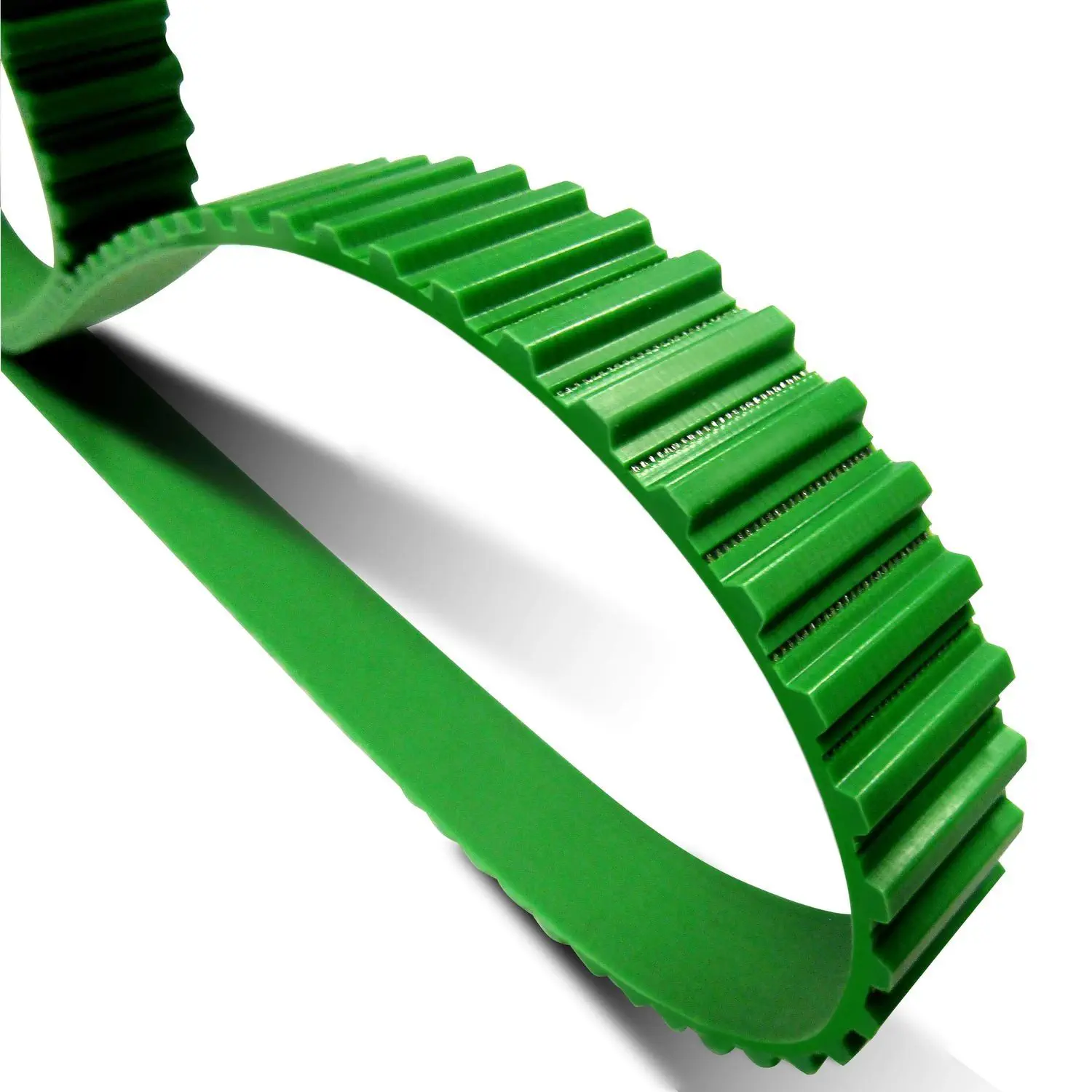
Can you provide examples of products or machinery that utilize plastic belts for conveying purposes?
Many products and machinery across various industries utilize plastic belts for conveying purposes. Here are some examples:
- 1. Conveyor Systems:
Plastic belts are extensively used in conveyor systems across different industries. These systems can be found in manufacturing facilities, warehouses, distribution centers, airports, and more. Conveyor systems equipped with plastic belts are employed for the transportation of a wide range of products, including packaged goods, automotive components, electronics, pharmaceuticals, food items, and beverages.
- 2. Food Processing Equipment:
In the food processing industry, various equipment utilizes plastic belts for conveying purposes. Examples include food sorting and grading machines, washing and cleaning systems, baking ovens, cooling and freezing tunnels, and packaging lines. Plastic belts are chosen for their hygienic properties, easy cleanability, and ability to withstand the rigorous demands of food processing environments.
- 3. Bottling and Packaging Machinery:
Bottling and packaging machinery extensively employ plastic belts for efficient product handling and packaging. Equipment such as filling machines, capping machines, labelers, cartoners, and case packers utilize plastic belts to transport bottles, containers, boxes, and other packaging materials. Plastic belts allow for smooth and precise conveying, ensuring accurate positioning and high-speed operations in the bottling and packaging processes.
- 4. Automated Material Handling Systems:
Automated material handling systems, commonly used in industries such as automotive, electronics, and e-commerce, rely on plastic belts for conveying and sorting purposes. These systems utilize plastic belts to transport products between different stages of the production line, sort items based on various criteria, and load or unload materials in warehouses or distribution centers. Plastic belts enable efficient and reliable material handling in these automated systems.
- 5. Printing and Paper Handling Equipment:
Printing presses, bindery equipment, and paper handling machines often incorporate plastic belts for the smooth movement of paper sheets, printed materials, or packaging components. Plastic belts with anti-static properties are particularly used in these applications to prevent static buildup and ensure the safe handling of sensitive materials.
- 6. Cleanroom and Electronics Manufacturing Equipment:
Cleanroom environments and electronics manufacturing facilities utilize plastic belts for conveying delicate electronic components, circuit boards, and semiconductors. Plastic belts with low particulate generation and excellent cleanroom compatibility are crucial in these industries to maintain strict cleanliness standards and prevent contamination or damage to sensitive electronic devices.
These are just a few examples of products and machinery that utilize plastic belts for conveying purposes. Plastic belts offer versatility, reliability, and customization options, making them suitable for a wide range of applications across various industries.
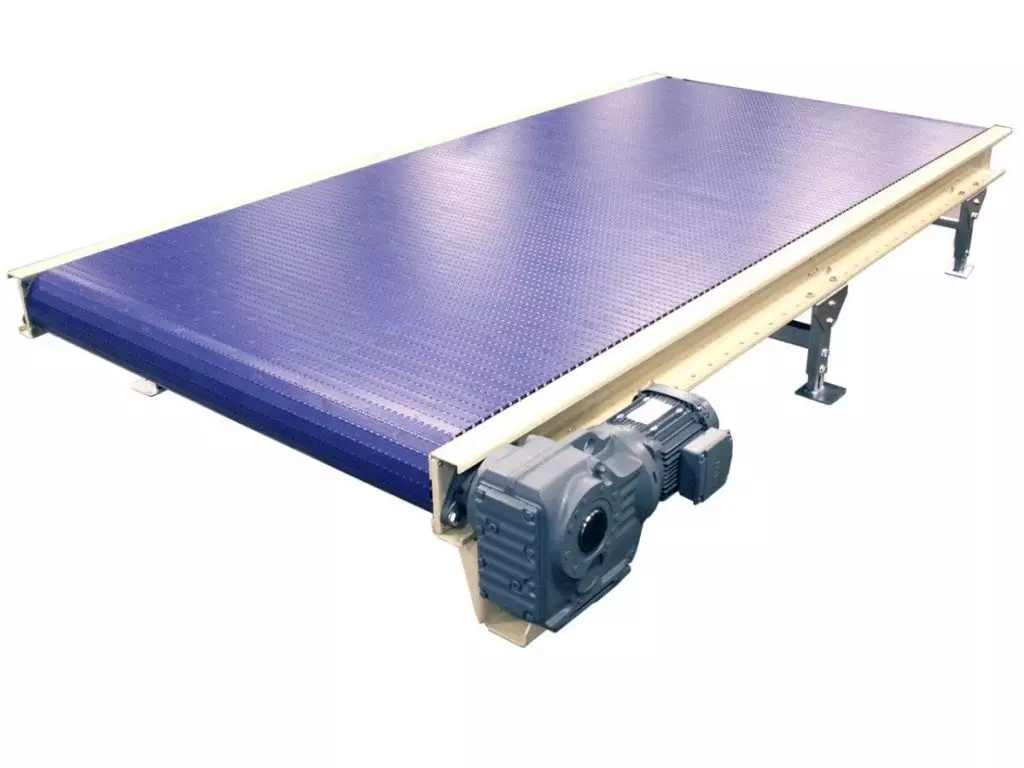
In what industries are plastic belts commonly employed for material handling?
Plastic belts are widely employed for material handling in various industries. Here’s a detailed explanation:
- 1. Food and Beverage Industry:
In the food and beverage industry, plastic belts are extensively used for material handling due to their hygienic properties, chemical resistance, and ease of cleaning. They are employed in applications such as conveying fruits, vegetables, baked goods, packaged foods, beverages, and dairy products. Plastic belts ensure safe and efficient transportation of food items while adhering to strict hygiene standards and preventing contamination.
- 2. Packaging and Logistics Industry:
Plastic belts find wide application in the packaging and logistics industry for the movement of packages, parcels, and containers. They are used in conveyor systems for sorting, merging, diverting, and accumulating packages during packaging, warehousing, and distribution processes. Plastic belts offer high strength, flexibility, and durability, allowing efficient handling of various package sizes and shapes.
- 3. Manufacturing and Assembly Industry:
In manufacturing and assembly processes, plastic belts are commonly employed for material handling tasks. They facilitate the transportation of components, parts, and products between different stages of production lines. Plastic belts can handle heavy loads, endure high-speed operations, and navigate through complex layouts, making them suitable for applications in automotive, electronics, appliances, and other manufacturing sectors.
- 4. Pharmaceutical and Healthcare Industry:
The pharmaceutical and healthcare industry relies on plastic belts for material handling in various stages of production, including drug manufacturing, packaging, and distribution. Plastic belts offer chemical resistance, easy cleanability, and compliance with industry regulations. They are used for conveying vials, bottles, blister packs, medical devices, and other pharmaceutical products in a controlled and hygienic environment.
- 5. E-commerce and Retail Industry:
Plastic belts play a vital role in the e-commerce and retail industry for material handling in distribution centers, fulfillment centers, and retail stores. They are used in conveyor systems for sorting, scanning, and transporting packages and products. Plastic belts offer smooth and reliable movement of items, facilitating efficient order fulfillment, inventory management, and store replenishment processes.
- 6. Automotive Industry:
In the automotive industry, plastic belts are employed for material handling tasks such as conveying automotive components, assemblies, and finished products. They are used in production lines for processes like painting, assembly, and testing. Plastic belts provide the necessary strength, flexibility, and wear resistance required to withstand the demanding conditions of automotive manufacturing.
These are just a few examples of the industries where plastic belts are commonly employed for material handling. Other industries such as textiles, electronics, agriculture, and mining also utilize plastic belts to streamline their material handling operations and improve overall efficiency.


editor by lmc 2024-11-14