
Product Description
Product Description
Using polypropylene plastic (pp) and special auxiliaries, using plastic oriented drawing, flame retardant, antistatic and other technologies, the flame-retardant anti-static plastic belt for underground coal mine has been successfully produced. And inspected by the national quality inspection department, the mining plastic net fully meets the requirements and obtains the production license certificate.
Detailed Photos
Product Parameters
MODEL | TGSG15-15 | TGSG20-20 | TGSG30-30 | TGSG40-40 | TGSG45-45 | TGSG50-50 | |||
Width (m) | 1-6m | ||||||||
Tensile strength (kN/m) (MD) | 15 | 20 | 30 | 40 | 45 | 50 | |||
Tensile strength (kN/m) (CD) | 15 | 20 | 30 | 40 | 45 | 50 | |||
Elongation (MD) (%)≤ | 15 | ||||||||
Elongation (CD) (%)≤ | 13 | ||||||||
Strength at 2% Strain, (kN/m)≥(MD) | 5 | 8 | 11 | 15 | 18 | 19 | |||
Strength at 2% Strain(kN/m) ≥(CD) | 7 | 10 | 13 | 17 | 20 | 24 | |||
Strength at 5% Strain (KN/m) ≥(MD) | 8 | 15 | 24 | 30 | 35 | 39 | |||
Strength at 5% Strain (KN/m) ≥(CD) | 10 | 16 | 25 | 31 | 36 | 40 | |||
Remark | Special specifications can be customized according to the contract. | ||||||||
Advantage of PP biaxial geogrid
Biaxial polypropylene geogrids are a cost-effective solution for soil reinforcement.
The biaxial geogrid apertures interlock with fill material for superior confinement and stabilization of the reinforced layer.
Biaxial geogrids provide increased tensile strength, high-performance base reinforcement, and increased strength and load bearing capacityof the subgrade.
Certifications
Packaging & Shipping
application
Company Profile
We are a manufacturer and exporter specializing in providing supporting materials for coal mines, construction projects and large concrete projects. We mainly produce anchor rods, trays, resin anchors, mesh, W steel belts, u-beams, anchors and other supporting materials for coal mine projects, and our supporting materials are exported to more than 10 countries and regions, such as the United States, Europe, Russia and so on. It is 1 of the important manufacturers and exporters of anchoring materials in China.
We have passed a series of certificates such as Quality Management System Certification and Environmental Management System Certification.
Our enterprise vision is: casting industry famous brand, building industrial and mining leading enterprises.
we can supply high-quality products to meet the requirements of top-ranking customers in this field from different countries in the world.
We always strive to be the leader in the industry and create a more valuable one-stop service platform for coal mine support materials for our customers.
FAQ
1. who are we?
We are based in ZheJiang , China, start from 2011,sell to Domestic Market(50.00%),Southeast Asia(10.00%),North America(9.00%),Africa(9.00%),Western Europe(5.00%),Mid East(5.00%),Eastern Europe(3.00%),South America(2.00%),Oceania(2.00%),South Asia(1.00%),Eastern Asia(1.00%),Southern Europe(1.00%),Central America(1.00%),Northern Europe(1.00%). There are total about 101-200 people in our office.
2. how can we guarantee quality?
Always a pre-production sample before mass production;
Always final Inspection before shipment;
3.what can you buy from us?
Friction Bolt, Solid Deformed Bar, Resin Capsule, Welded Wire Mesh Sheet, Domed Plate
4. why should you buy from us not from other suppliers?
HangZhou Zhongfu Industrial and Mining Accessories Co., Ltd. was established in 2011, located in ZheJiang -Xihu (West Lake) Dis., China’s fastener industry base. It has built its own modern large-scale industrial and mining supporting material production workshop, anchoring
5. what services can we provide?
Accepted Delivery Terms: FOB;
Accepted Payment Currency:USD;
Accepted Payment Type: T/T,L/C,D/P D/A;
Language Spoken:English,Chinese
/* May 10, 2571 16:49:51 */!function(){function d(e,r){var a,o={};try{e&&e.split(“,”).forEach(function(e,t){e&&(a=e.match(/(.*?):(.*)$/))&&1
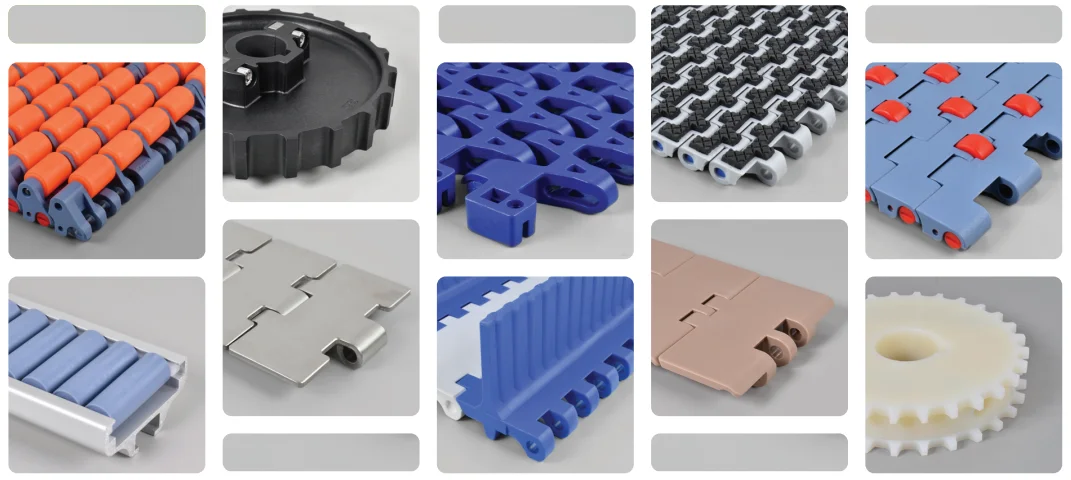
Can you explain the impact of temperature and chemical exposure on plastic belt performance?
The impact of temperature and chemical exposure on plastic belt performance is significant. Here’s a detailed explanation:
- Temperature:
Temperature can have both immediate and long-term effects on plastic belt performance. Extreme temperatures can cause plastic belts to undergo physical changes that affect their structural integrity and functionality. Here are the impacts of temperature:
- High Temperatures:
Exposure to high temperatures can cause plastic belts to soften or deform. This softening can lead to belt elongation, loss of tension, and reduced load-carrying capacity. In extreme cases, the belt may become misaligned or even melt, resulting in operational disruptions and potential damage to the conveyor system. It’s crucial to select plastic belts that can withstand the elevated temperatures of the application to ensure reliable performance and prevent premature failure.
- Low Temperatures:
Low temperatures can make plastic belts more brittle and susceptible to cracking or breakage. The reduced flexibility of the belt material can lead to increased stress concentrations, especially in areas with sharp bends or high impact loads. Brittle belts are more prone to damage during operation, which can result in belt failure and system downtime. Choosing plastic belts specifically designed for low-temperature environments or implementing insulation measures can help mitigate the negative impact of cold temperatures on belt performance.
- Chemical Exposure:
Chemical exposure can significantly affect plastic belt performance, depending on the type and concentration of chemicals involved. Plastic belts can experience various forms of chemical degradation, including:
- Chemical Attack:
Some chemicals can react with the plastic material, causing it to break down or degrade. This chemical attack can result in the loss of material strength, increased brittleness, or changes in the belt’s physical properties. The severity of chemical attack depends on the specific chemical composition of the belt and the nature and concentration of the chemicals it comes into contact with. It’s crucial to select plastic belts with appropriate chemical resistance properties based on the application’s chemical environment.
- Swelling or Dissolution:
Certain chemicals can cause plastic belts to swell or dissolve. Swelling occurs when the belt absorbs the chemical, leading to dimensional changes and potential belt misalignment. Dissolution happens when the chemical breaks down the plastic material, resulting in loss of belt structure and strength. Swelling and dissolution can compromise the integrity of the belt and its ability to perform effectively. Choosing plastic belts with resistance to the specific chemicals present in the application is essential to prevent these issues.
- Surface Damage:
Chemical exposure can also cause surface damage to plastic belts. Some chemicals may cause staining, discoloration, or surface roughness, which can impact the belt’s appearance and potentially affect its functionality. Additionally, chemicals with abrasive properties can cause physical wear and tear on the belt surface, reducing its lifespan and increasing the risk of belt failure. Regular inspection and prompt replacement of chemically damaged belts are necessary to maintain optimal performance and prevent potential contamination of the conveyed products.
In summary, temperature and chemical exposure have significant impacts on plastic belt performance. Extreme temperatures can lead to softening, deformation, or brittleness of the belt material, affecting its structural integrity and load-carrying capacity. Chemical exposure can cause chemical attack, swelling, dissolution, or surface damage, compromising the belt’s strength, dimensional stability, and overall functionality. Selecting plastic belts designed for the specific temperature range and chemical environment of the application, along with regular inspection and maintenance, is crucial to ensure reliable and long-lasting performance of plastic belts in conveyor systems.
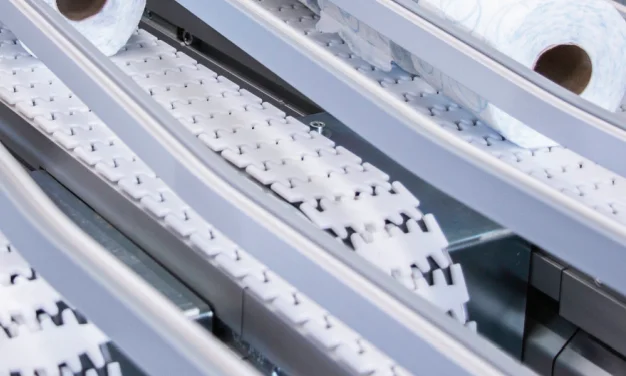
How does the durability of plastic belts compare to other materials in conveyor systems?
When comparing the durability of plastic belts to other materials used in conveyor systems, several factors come into play. Here’s a detailed explanation:
- 1. Wear Resistance:
Plastic belts generally offer good wear resistance, allowing them to withstand the demands of many industrial applications. The specific wear resistance can vary depending on the type of plastic material used for the belt. Some plastic materials, such as polyurethane (PU) or acetal (POM), exhibit excellent wear resistance and can withstand abrasive environments better than other materials like fabric or rubber belts. However, in high-intensity applications with heavy loads or sharp objects, metal belts may provide superior wear resistance compared to plastic belts.
- 2. Impact Resistance:
Plastic belts typically have good impact resistance, especially when compared to rigid materials like metal belts. Plastic belts can absorb and dissipate impact forces, reducing the risk of damage or breakage. This makes plastic belts suitable for applications where the conveyed products may encounter impacts during loading, unloading, or handling processes. However, in extremely demanding applications with heavy or sharp impacts, specialized metal belts or reinforced fabric belts may offer higher impact resistance than plastic belts.
- 3. Chemical Resistance:
Plastic belts generally exhibit excellent chemical resistance compared to other materials like fabric or rubber belts. They can withstand exposure to a wide range of chemicals, oils, solvents, and cleaning agents without significant degradation. This makes plastic belts suitable for industries where corrosive substances or chemical cleaning agents are present. In contrast, fabric or rubber belts may deteriorate or experience chemical damage when exposed to aggressive substances.
- 4. Moisture Resistance:
Plastic belts are highly resistant to moisture, making them suitable for applications in wet environments or where frequent washdowns are required. Unlike fabric belts that can absorb moisture and become weakened, plastic belts maintain their structural integrity and performance even when exposed to water or high humidity. Metal belts, on the other hand, may be prone to corrosion when exposed to moisture, requiring additional protective measures.
- 5. Temperature Resistance:
The temperature resistance of plastic belts can vary depending on the specific plastic material used. Some plastic materials, such as polypropylene (PP) or polyethylene (PE), have lower temperature resistance compared to other materials like metal belts. However, there are plastic belt options available, such as polyurethane (PU) or polyvinyl chloride (PVC), that offer high-temperature resistance and can withstand elevated temperatures in industrial applications. It’s essential to select a plastic belt that matches the temperature range of the intended application.
- 6. Longevity and Maintenance:
The longevity and maintenance requirements of plastic belts can be favorable compared to other materials. Plastic belts typically have a longer lifespan than fabric belts, as they are less prone to fraying, tearing, or stretching. They also require minimal maintenance, as they do not need regular lubrication or tension adjustments like metal belts. Plastic belts can be easily cleaned and sanitized, prolonging their service life. However, metal belts may offer exceptional longevity and require minimal maintenance as well.
In summary, plastic belts offer good durability in many industrial applications, particularly when it comes to wear resistance, impact resistance, chemical resistance, moisture resistance, and ease of maintenance. However, in certain demanding applications with heavy loads, sharp impacts, or extreme temperatures, specialized metal belts or reinforced fabric belts may provide superior durability. It’s crucial to assess the specific requirements of the application and select the most appropriate belt material based on the expected operating conditions and the desired level of durability.
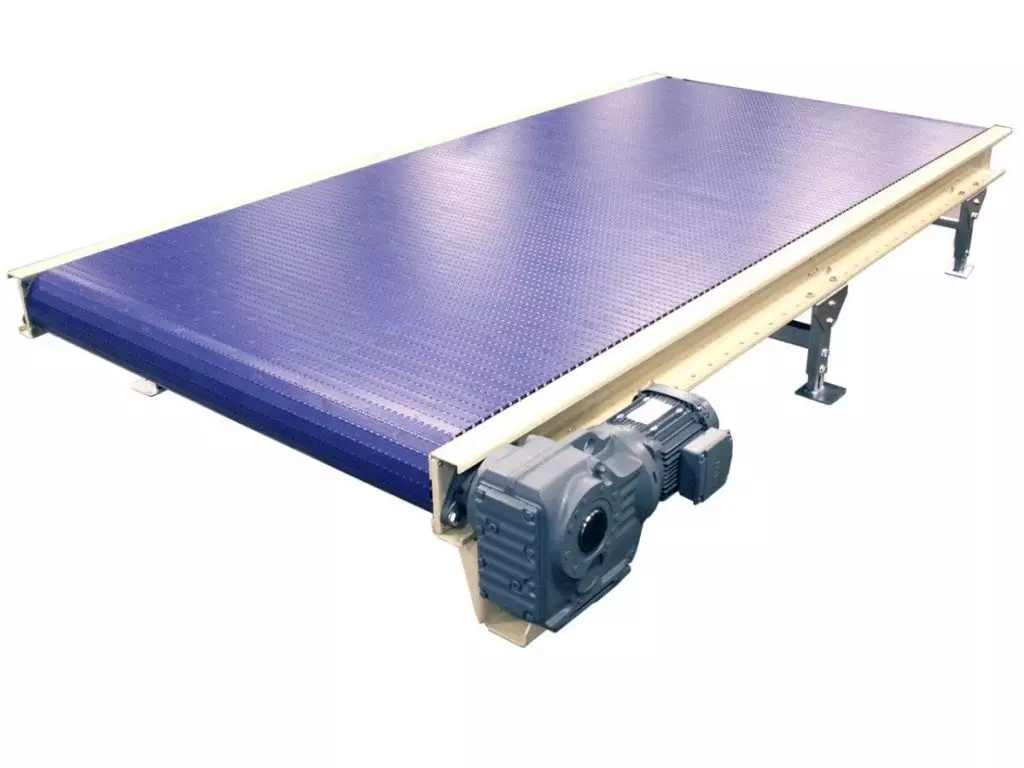
In what industries are plastic belts commonly employed for material handling?
Plastic belts are widely employed for material handling in various industries. Here’s a detailed explanation:
- 1. Food and Beverage Industry:
In the food and beverage industry, plastic belts are extensively used for material handling due to their hygienic properties, chemical resistance, and ease of cleaning. They are employed in applications such as conveying fruits, vegetables, baked goods, packaged foods, beverages, and dairy products. Plastic belts ensure safe and efficient transportation of food items while adhering to strict hygiene standards and preventing contamination.
- 2. Packaging and Logistics Industry:
Plastic belts find wide application in the packaging and logistics industry for the movement of packages, parcels, and containers. They are used in conveyor systems for sorting, merging, diverting, and accumulating packages during packaging, warehousing, and distribution processes. Plastic belts offer high strength, flexibility, and durability, allowing efficient handling of various package sizes and shapes.
- 3. Manufacturing and Assembly Industry:
In manufacturing and assembly processes, plastic belts are commonly employed for material handling tasks. They facilitate the transportation of components, parts, and products between different stages of production lines. Plastic belts can handle heavy loads, endure high-speed operations, and navigate through complex layouts, making them suitable for applications in automotive, electronics, appliances, and other manufacturing sectors.
- 4. Pharmaceutical and Healthcare Industry:
The pharmaceutical and healthcare industry relies on plastic belts for material handling in various stages of production, including drug manufacturing, packaging, and distribution. Plastic belts offer chemical resistance, easy cleanability, and compliance with industry regulations. They are used for conveying vials, bottles, blister packs, medical devices, and other pharmaceutical products in a controlled and hygienic environment.
- 5. E-commerce and Retail Industry:
Plastic belts play a vital role in the e-commerce and retail industry for material handling in distribution centers, fulfillment centers, and retail stores. They are used in conveyor systems for sorting, scanning, and transporting packages and products. Plastic belts offer smooth and reliable movement of items, facilitating efficient order fulfillment, inventory management, and store replenishment processes.
- 6. Automotive Industry:
In the automotive industry, plastic belts are employed for material handling tasks such as conveying automotive components, assemblies, and finished products. They are used in production lines for processes like painting, assembly, and testing. Plastic belts provide the necessary strength, flexibility, and wear resistance required to withstand the demanding conditions of automotive manufacturing.
These are just a few examples of the industries where plastic belts are commonly employed for material handling. Other industries such as textiles, electronics, agriculture, and mining also utilize plastic belts to streamline their material handling operations and improve overall efficiency.


editor by lmc 2024-11-08