
What is a Plastic Modular Belt?
Introduction to Plastic Modular Belts
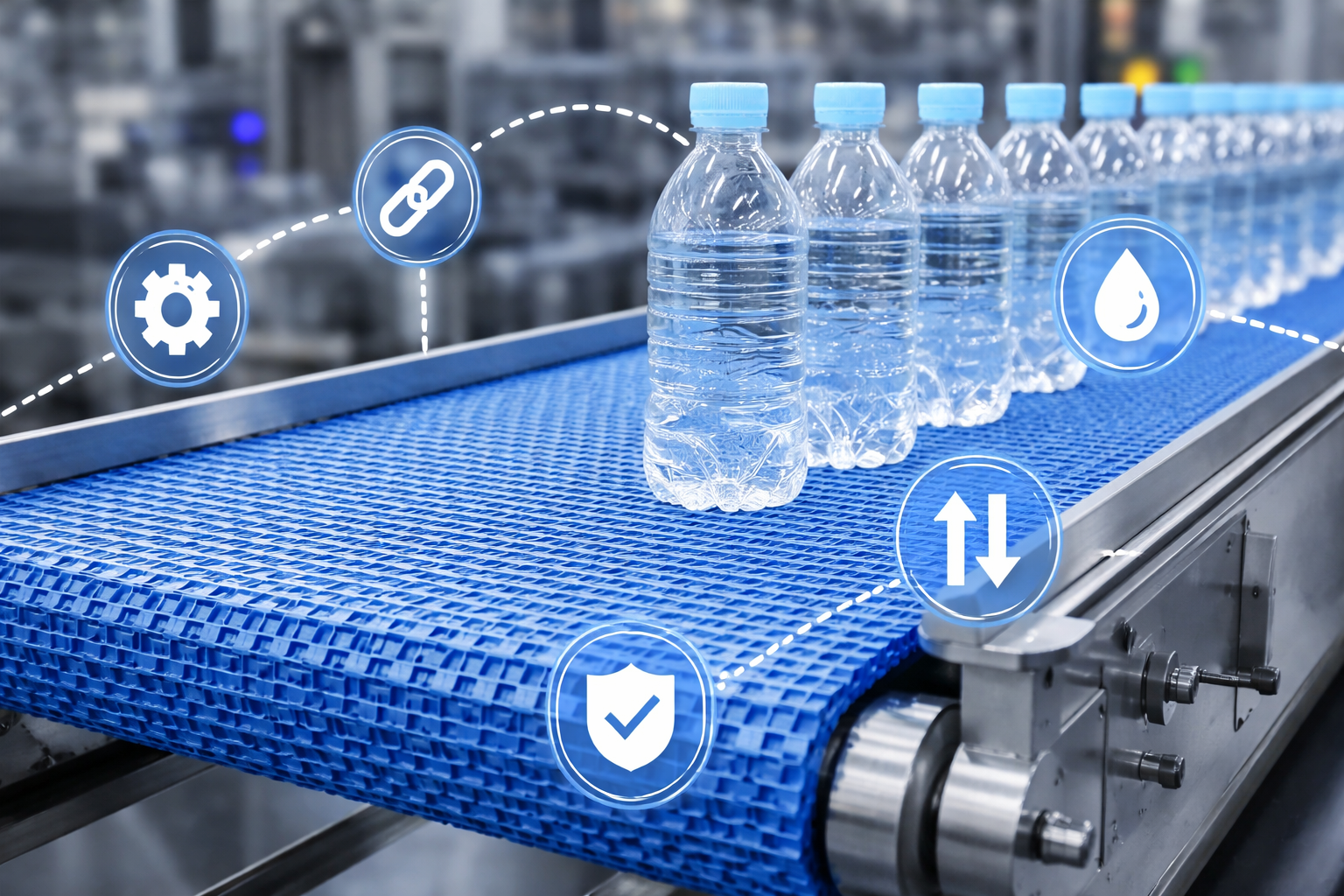
Modular plastic conveyor belts have revolutionized material handling, particularly in the food processing industry. These advanced conveyor systems offer unparalleled flexibility and durability, making them ideal for a wide range of applications. Unlike traditional conveyor belts, modular plastic conveyor belts consist of interlocking plastic modules that can be easily replaced or reconfigured. This unique structure allows for high customization to meet the specific needs of different production lines.
The components of modular plastic conveyor belts are typically made from high-quality polymers designed to withstand the harshness of industrial environments. Their resistance to chemical corrosion, high temperatures, and mechanical abrasion makes them especially suitable for the food processing industry, where hygiene and efficiency are paramount.
Key Features of Plastic Modular Belts
Durability and Longevity
One of the hallmark features of plastic modular belts is their extraordinary durability. Crafted from robust materials like polypropylene or polyethylene, these belts can endure harsh operational conditions without succumbing to wear and tear. Their resistance to impact and fatigue makes them a reliable choice for high-speed and heavy-load applications.
Modularity and Versatility
The modular nature of these belts allows for unprecedented versatility in design and application. Manufacturers can easily add or remove modules to adapt the belt’s length or configuration. This modular approach enables seamless integration with existing conveyor systems and facilitates rapid adjustments in production lines.
Hygienic Design
Hygiene is a critical concern in food processing, and plastic modular belts excel in this area. Their smooth surfaces are easy to clean and sanitize, minimizing the risk of contamination. Additionally, many plastic modular belts are designed with fewer crevices, reducing the accumulation of food particles and bacteria. This hygienic design not only ensures compliance with food safety regulations but also enhances overall product quality.
Applications in Food Processing
Efficient Transport of Products
In food processing plants, the transport of products through various stages of production is essential. Plastic modular belts provide a reliable solution for moving items such as packaged goods, raw ingredients, and finished products. Their robust construction can handle diverse loads while maintaining optimal performance.
Temperature Control
Certain food products require specific temperature conditions during processing. Plastic modular belts can be engineered to function efficiently in both refrigerated and heated environments. This capability is particularly beneficial for applications such as baking, freezing, or chilling products without compromising the integrity of the belt.
Enhanced Production Line Efficiency
The design of plastic modular belts contributes significantly to the overall efficiency of production lines. Their ability to operate at various angles and elevations allows for the optimization of space within a facility. Furthermore, the low-friction design reduces energy consumption, leading to cost savings in operational expenses.
Comparative Advantages Over Traditional Belting Systems
Lower Maintenance Requirements
Plastic modular belts require significantly less maintenance compared to traditional fabric or metal belts. Their design minimizes the need for constant adjustments or replacements, allowing operations to run smoothly with fewer interruptions. This reliability translates to higher productivity and lower operational costs.
Ease of Installation and Replacement
In contrast to conventional belts that may require extensive reconfiguration for installation or replacement, plastic modular belts can be quickly and easily installed. This ease of use ensures that production lines experience minimal downtime during maintenance activities.
Customizable Solutions
Every food processing plant has unique requirements. Plastic modular belts can be custom-designed to address specific needs, such as belt width, module size, and surface texture. This level of customization enables manufacturers to optimize their production systems according to their operational challenges.
Case Studies: Successful Implementations
Case Study 1: A Major Poultry Processing Plant
At a large poultry processing plant, the adoption of modular plastic conveyor belts significantly improved operational efficiency. The plant faced challenges related to heavy loads and frequent product transfers. By replacing traditional conveyor belts with modular ones, its output increased by 30%. The modular conveyor belts facilitated smoother transitions between processing stages, reducing handling time and labor costs.
Case Study 2: Bakery Production Line
A prominent bakery producer sought to enhance its production line’s efficiency while maintaining stringent hygiene standards. The introduction of plastic modular belts allowed for easier cleaning and maintenance, leading to a noticeable decline in contamination incidents. The facility reported a 25% reduction in downtime due to cleaning processes, directly contributing to increased output and product quality.
Case Study 3: Dairy Processing Facility
In a dairy processing plant, the need for temperature control was paramount. The implementation of specialized plastic modular belts designed for cold environments allowed for seamless product transport from pasteurization to packaging. This enhancement not only ensured product integrity but also reduced energy consumption, as the belts operated with greater efficiency compared to their metal counterparts.
Future Trends in Plastic Modular Belt Technology
Integration with Smart Technologies
As industries evolve, so too does the technology that supports them. Future advancements in plastic modular belts may include the integration of smart technologies, such as sensors and IoT capabilities. These innovations could enable real-time monitoring of belt performance, predictive maintenance, and enhanced data analytics, further optimizing production processes.
Sustainability and Eco-Friendly Materials
With increasing emphasis on sustainability, future plastic modular belts may incorporate eco-friendly materials that are both durable and recyclable. The industry is likely to see a shift toward bioplastics and other sustainable options that minimize environmental impact without compromising quality or performance.
Enhanced Customization Options
As manufacturers continue to seek customized solutions, the customization options for modular plastic conveyor belts are expected to expand. This includes developing specialized surfaces to meet the specific handling needs of particular products, improving interlocking mechanisms to simplify assembly, and optimizing designs to maximize airflow or cooling effects for better handling of temperature-sensitive products.
The advantages of modular plastic conveyor belts in the food processing industry are evident; their durability, modularity, and hygienic properties differentiate them from traditional conveyor systems. They offer increased efficiency, reduced maintenance, and customized solutions, making them an indispensable asset in any production line. With technological advancements, these conveyor belts are likely to continue to evolve, bringing even greater benefits to food processors worldwide.
Case Study: Streamlining Food Processing with Plastic Modular Belt Solutions
Introduction to the Challenge
In the competitive landscape of food processing, efficiency and reliability are paramount. A renowned food processing facility, specializing in the production of pre-packaged meals, faced numerous operational challenges primarily stemming from outdated conveyor systems. These legacy systems, which included traditional metal belts, not only resulted in frequent downtimes but also posed significant hygiene risks. The facility’s management recognized the urgent need for a more innovative solution to stay ahead in a demanding market.
Initial Analysis and Observations
Before implementing plastic modular belts, a comprehensive analysis was conducted. The team meticulously recorded various operational metrics, focusing on the following key performance indicators (KPIs):
- Processing Speed: The rate at which products moved through the conveyor system.
- Downtime: Total hours of production loss due to belt failures and maintenance.
- Hygiene Compliance: Results from hygiene audits that measured the cleanliness of the conveyor systems.
- Employee Safety: Incidents reported related to equipment hazards.
In the months leading up to the transition, the processing speed averaged 350 units per hour. However, frequent breakdowns resulted in an average downtime of 15 hours per month. Hygiene audits revealed subpar scores, primarily due to the porous nature of the metal belts, which harbored contaminants. Furthermore, employee safety reports highlighted three incidents in which workers were injured while handling the malfunctioning equipment.
Introducing Plastic Modular Belt Solutions
The decision to transition to plastic modular belts was backed by extensive research. Plastic modular belts offer several distinct advantages over their metal counterparts:
- Modularity: The segmented design allows for easy repairs and replacements without the need to dismantle the entire system.
- Hygiene: Non-porous surfaces minimize contamination risks, meeting stringent food safety standards.
- Durability: Resistant to corrosion and wear, ensuring a longer lifespan.
- Flexibility: Capable of accommodating various product shapes and sizes, enhancing line adaptability.
After careful consideration, the facility selected a specific type of plastic modular belt optimized for food processing applications. The belts featured an open design facilitating superior airflow and drainage, coupled with high resistance to cleaning chemicals.
Implementation Process
The implementation phase was meticulously planned to minimize disruption. A dedicated team coordinated with the facility’s management to outline a detailed timeline, emphasizing critical milestones.
Phase 1: Preparation and Training
Prior to installation, comprehensive training sessions were conducted for the facility’s staff. These sessions focused on:
- Understanding the properties and advantages of plastic modular belts.
- Best practices for maintenance and cleaning procedures.
- Safety protocols during the transition.
Phase 2: Installation
The installation process commenced with the removal of the outdated metal conveyor systems. This phase was executed during non-peak hours to prevent interruptions. The modular belts were installed in a phased approach, allowing specific sections of the production line to remain operational.
Phase 3: Testing and Optimization
Following installation, the team conducted rigorous testing to validate the performance of the new system. Several parameters were monitored:
- Operating speed: Adjustments were made to optimize throughput.
- Cleaning efficiency: The ease of cleaning was assessed to ensure compliance with hygiene standards.
- Employee feedback: Workers provided input on the ergonomics and safety of the new system.
Performance Metrics Post-Implementation
Once the plastic modular belts were fully operational, a follow-up analysis was conducted to evaluate their impact on the facility’s performance. The results were compelling.
Processing Speed
The processing speed increased significantly, reaching an impressive average of 500 units per hour, marking a 43% improvement. This enhancement can be attributed to the continuous operational capabilities of the modular belt systems, which reduced stalling and interruptions.
Downtime
Downtime plummeted to just 2 hours per month, a staggering reduction of 87%. The modular design allowed for swift repairs and adjustments, ensuring minimal interruptions to the production schedule.
Hygiene Compliance
The facility experienced a remarkable uplift in hygiene compliance scores, achieving a consistent 95% pass rate in hygiene audits. The non-porous nature of the plastic belts facilitated superior sanitation practices, thereby safeguarding product quality.
Employee Safety
Employee safety incidents were reduced to zero in the months following the installation. The modular belt system’s design eliminated pinch points and other hazards associated with traditional metal belts, significantly enhancing workplace safety.
The implementation of plastic modular belts in the food processing facility has demonstrated how innovative solutions can drive significant operational improvements. The transition not only optimized production efficiency but also elevated safety and hygiene standards, thus paving the way for a prosperous future in food processing.
Case Study: Streamlining Food Processing with Plastic Modular Belt Solutions
Introduction to the Challenge
In the competitive landscape of food processing, efficiency and reliability are paramount. A renowned food processing facility, specializing in the production of pre-packaged meals, faced numerous operational challenges primarily stemming from outdated conveyor systems. These legacy systems, which included traditional metal belts, not only resulted in frequent downtimes but also posed significant hygiene risks. The facility’s management recognized the urgent need for a more innovative solution to stay ahead in a demanding market.
Initial Analysis and Observations
Before implementing plastic modular belts, a comprehensive analysis was conducted. The team meticulously recorded various operational metrics, focusing on the following key performance indicators (KPIs):
- Processing Speed: The rate at which products moved through the conveyor system.
- Downtime: Total hours of production loss due to belt failures and maintenance.
- Hygiene Compliance: Results from hygiene audits that measured the cleanliness of the conveyor systems.
- Employee Safety: Incidents reported related to equipment hazards.
In the months leading up to the transition, the processing speed averaged 350 units per hour. However, frequent breakdowns resulted in an average downtime of 15 hours per month. Hygiene audits revealed subpar scores, primarily due to the porous nature of the metal belts, which harbored contaminants. Furthermore, employee safety reports highlighted three incidents in which workers were injured while handling the malfunctioning equipment.
Introducing Plastic Modular Belt Solutions
The decision to transition to plastic modular belts was backed by extensive research. Plastic modular belts offer several distinct advantages over their metal counterparts:
- Modularity: The segmented design allows for easy repairs and replacements without the need to dismantle the entire system.
- Hygiene: Non-porous surfaces minimize contamination risks, meeting stringent food safety standards.
- Durability: Resistant to corrosion and wear, ensuring a longer lifespan.
- Flexibility: Capable of accommodating various product shapes and sizes, enhancing line adaptability.
After careful consideration, the facility selected a specific type of plastic modular belt optimized for food processing applications. The belts featured an open design facilitating superior airflow and drainage, coupled with high resistance to cleaning chemicals.
Implementation Process
The implementation phase was meticulously planned to minimize disruption. A dedicated team coordinated with the facility’s management to outline a detailed timeline, emphasizing critical milestones.
Phase 1: Preparation and Training
Prior to installation, comprehensive training sessions were conducted for the facility’s staff. These sessions focused on:
- Understanding the properties and advantages of plastic modular belts.
- Best practices for maintenance and cleaning procedures.
- Safety protocols during the transition.
Phase 2: Installation
The installation process commenced with the removal of the outdated metal conveyor systems. This phase was executed during non-peak hours to prevent interruptions. The modular belts were installed in a phased approach, allowing specific sections of the production line to remain operational.
Phase 3: Testing and Optimization
Following installation, the team conducted rigorous testing to validate the performance of the new system. Several parameters were monitored:
- Operating speed: Adjustments were made to optimize throughput.
- Cleaning efficiency: The ease of cleaning was assessed to ensure compliance with hygiene standards.
- Employee feedback: Workers provided input on the ergonomics and safety of the new system.
Performance Metrics Post-Implementation
Once the plastic modular belts were fully operational, a follow-up analysis was conducted to evaluate their impact on the facility’s performance. The results were compelling.
Processing Speed
The processing speed increased significantly, reaching an impressive average of 500 units per hour, marking a 43% improvement. This enhancement can be attributed to the continuous operational capabilities of the modular belt systems, which reduced stalling and interruptions.
Downtime
Downtime plummeted to just 2 hours per month, a staggering reduction of 87%. The modular design allowed for swift repairs and adjustments, ensuring minimal interruptions to the production schedule.
Hygiene Compliance
The facility experienced a remarkable uplift in hygiene compliance scores, achieving a consistent 95% pass rate in hygiene audits. The non-porous nature of the plastic belts facilitated superior sanitation practices, thereby safeguarding product quality.
Employee Safety
Employee safety incidents were reduced to zero in the months following the installation. The modular belt system’s design eliminated pinch points and other hazards associated with traditional metal belts, significantly enhancing workplace safety.
The implementation of plastic modular belts in the food processing facility has demonstrated how innovative solutions can drive significant operational improvements. The transition not only optimized production efficiency but also elevated safety and hygiene standards, thus paving the way for a prosperous future in food processing.”
Case Study: Streamlining Food Processing with Plastic Modular Belt Solutions
Introduction to the Challenge
In the highly competitive food processing industry, efficiency and reliability are paramount. A well-known pre-packaged food processing plant faced numerous operational challenges, primarily stemming from its outdated conveyor systems. These systems, still in use today, including traditional metal conveyor belts, not only caused frequent downtime but also posed serious hygiene risks. Plant management recognized the urgent need for a more innovative solution to maintain a leading position in the competitive market.
Initial Analysis and Observations
Before implementing plastic modular belts, a comprehensive analysis was conducted. The team meticulously recorded various operational metrics, focusing on the following key performance indicators (KPIs):
- Processing Speed: The rate at which products moved through the conveyor system.
- Downtime: Total hours of production loss due to belt failures and maintenance.
- Hygiene Compliance: Results from hygiene audits that measured the cleanliness of the conveyor systems.
- Employee Safety: Incidents reported related to equipment hazards.
In the months leading up to the transition, the processing speed averaged 350 units per hour. However, frequent breakdowns resulted in an average downtime of 15 hours per month. Hygiene audits revealed subpar scores, primarily due to the porous nature of the metal belts, which harbored contaminants. Furthermore, employee safety reports highlighted three incidents in which workers were injured while handling the malfunctioning equipment.
Introducing Plastic Modular Belt Solutions
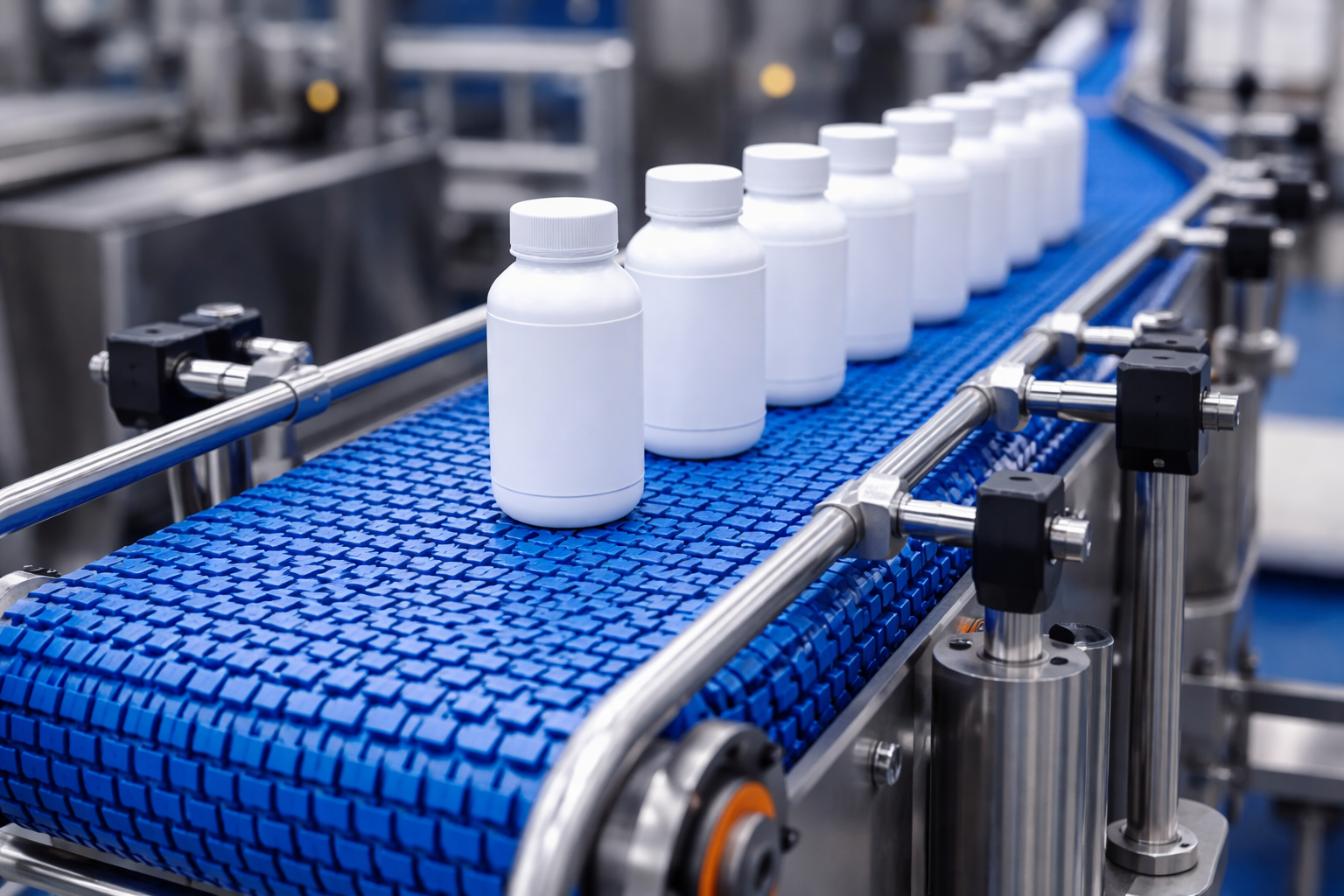
The decision to transition to plastic modular belts was backed by extensive research. Plastic modular belts offer several distinct advantages over their metal counterparts:
- Modularity: The segmented design allows for easy repairs and replacements without the need to dismantle the entire system.
- Hygiene: Non-porous surfaces minimize contamination risks, meeting stringent food safety standards.
- Durability: Resistant to corrosion and wear, ensuring a longer lifespan.
- Flexibility: Capable of accommodating various product shapes and sizes, enhancing line adaptability.
After careful consideration, the facility selected a specific type of plastic modular belt optimized for food processing applications. The belts featured an open design facilitating superior airflow and drainage, coupled with high resistance to cleaning chemicals.
Implementation Process
The implementation phase was meticulously planned to minimize disruption. A dedicated team coordinated with the facility’s management to outline a detailed timeline, emphasizing critical milestones.
Phase 1: Preparation and Training
Prior to installation, comprehensive training sessions were conducted for the facility’s staff. These sessions focused on:
- Understanding the properties and advantages of plastic modular belts.
- Best practices for maintenance and cleaning procedures.
- Safety protocols during the transition.
Phase 2: Installation
The installation process commenced with the removal of the outdated metal conveyor systems. This phase was executed during non-peak hours to prevent interruptions. The modular belts were installed in a phased approach, allowing specific sections of the production line to remain operational.
Phase 3: Testing and Optimization
Following installation, the team conducted rigorous testing to validate the performance of the new system. Several parameters were monitored:
- Operating speed: Adjustments were made to optimize throughput.
- Cleaning efficiency: The ease of cleaning was assessed to ensure compliance with hygiene standards.
- Employee feedback: Workers provided input on the ergonomics and safety of the new system.
Performance Metrics Post-Implementation
Once the plastic modular belts were fully operational, a follow-up analysis was conducted to evaluate their impact on the facility’s performance. The results were compelling.
Processing Speed
The processing speed increased significantly, reaching an impressive average of 500 units per hour, marking a 43% improvement. This enhancement can be attributed to the continuous operational capabilities of the modular belt systems, which reduced stalling and interruptions.
Downtime
Downtime plummeted to just 2 hours per month, a staggering reduction of 87%. The modular design allowed for swift repairs and adjustments, ensuring minimal interruptions to the production schedule.
Hygiene Compliance
The facility experienced a remarkable uplift in hygiene compliance scores, achieving a consistent 95% pass rate in hygiene audits. The non-porous nature of the plastic belts facilitated superior sanitation practices, thereby safeguarding product quality.
Employee Safety
Employee safety incidents were reduced to zero in the months following the installation. The modular belt system’s design eliminated pinch points and other hazards associated with traditional metal belts, significantly enhancing workplace safety.
The implementation of plastic modular belts in the food processing facility has demonstrated how innovative solutions can drive significant operational improvements. The transition not only optimized production efficiency but also elevated safety and hygiene standards, thus paving the way for a prosperous future in food processing.
Case Study: Transforming Efficiency in a Poultry Processing Plant
Background
In the heart of the poultry industry, a major processing plant faced several operational hurdles. With a daily output of over 100,000 birds, the facility struggled with the limitations of traditional conveyor systems. Frequent breakdowns led to unscheduled downtimes, creating bottlenecks that not only slowed production but also increased labor costs. The existing metal belting was prone to rust and required constant lubrication, making maintenance a time-consuming task. This scenario called for a radical transformation to enhance productivity and streamline operations.
Pre-Implementation Analysis
Before the installation of plastic modular belts, the plant’s operational metrics were concerning. The average downtime due to conveyor belt issues was approximately 15% of production time, with extended cleaning periods contributing an additional 10% loss. Maintenance costs averaged around $50,000 annually, primarily due to the frequent need for belt replacements and repairs. The existing system’s inefficiencies rendered the facility incapable of meeting its production targets, leading to lost revenue and diminished competitiveness in the market.
Transition to Plastic Modular Belts
Recognizing the urgent need for change, the management decided to transition to plastic modular belts, seeking a solution that would alleviate their operational constraints. A comprehensive evaluation of various modular belt systems led to the selection of high-quality polypropylene belts, specifically designed for heavy-duty applications.
Installation Process
The installation process was meticulously planned to minimize disruption. A specialized team conducted a thorough assessment of the existing conveyor layout. The modular belts were designed to fit seamlessly within the current framework, allowing for a straightforward installation. The project commenced with the removal of the old conveyor system, which took approximately three days. Following this, the new modular belts were installed over a weekend, ensuring that production could resume promptly on Monday morning.
Post-Implementation Metrics
Within weeks of introducing the plastic modular belts, the plant experienced remarkable improvements in operational metrics. A detailed analysis post-implementation revealed:
Hygienic Benefits
The new modular belts significantly enhanced hygiene standards within the facility. The smooth, non-porous surface allowed for rapid cleaning and sanitation, reducing contamination incidents by over 40%. The ease of disassembly for thorough cleaning further established the plant’s commitment to food safety.
Operational Adaptability
The plastic modular belts demonstrated exceptional adaptability. Flexibility in design allowed for the installation of inclined sections to optimize space and movement within the facility. This adaptability was crucial in facilitating the efficient transport of products through various processing stages, including chilling and packing.
Future-Proofing the Production Line
Looking ahead, management has earmarked additional investment to further upgrade the modular conveyor system. The potential integration of smart technologies, including sensors for real-time monitoring, is expected to further optimize maintenance and operational efficiency.
The successful application of the plastic modular conveyor belts has transformed this poultry processing plant from an inefficient, costly facility into a model of modern production. With higher output, less downtime, and higher hygiene standards, the plant is not only able to meet, but is poised to exceed, its operational goals.
edit by gzl