
Product Description
Custom Flat Nylon Plastic Pulley / Wire Rope Conveyor Head Pulley / Small Mini Belt Pulley
Products Type
We can custom shape,size,color material and quantity for plastic pulley as your requirment.
Products Specification
1. Various hardness for your choice.
2. Good abrasion, heat and oil resistance.
3. Good anti-aging performance and gas tightness.
4. Ease of bonding to other material.
5. Excellent oxygen and CZPT resistance.
6. Non-flammable,self-extinguish.
| Material | PA,PA6,PA66,PP,PE,LDPE,HDPE,UWHDPE,PTFE,POM,ABS,or Custom Compound (Any custom compound plastic is available) |
| Size | According to samples or drawings |
| Color | Black,white,red,green,transparent or any color according to Pantone colors |
| Finish | High Gloss,Fine Grain,Electroplating,Painting,Printing,Texture etc,or as request |
| Type | Round,square,rectangular,or any nonstandard shape as request |
| Logo | Debossed,embossed,printed logo or as request |
Plastic Material Properties
Company Profile
Zhongde (ZheJiang ) Machinery Equipment Co.,LTD is a company integrated in design,OEM&ODM plastic&rubber&CNCparts production.We can provide the best products and service at a competitive price.
Main Products
We can provide OEM service,which means producing base on your drawings or samples,also we can design according to its application or customer`s requirments.
Order Operation Flow
We execute each step according to the operation process flow, strictly, seriously and meet the requirements of customers with good quality on time.
For Fast Quotation,Please Inform Below Details
1. Production type
2. Material specification (or let us know the using environmental)
3. Size details? (or provide drawings or samples for refference)
4. Quantity request
5. Prefer color /* March 10, 2571 17:59:20 */!function(){function s(e,r){var a,o={};try{e&&e.split(“,”).forEach(function(e,t){e&&(a=e.match(/(.*?):(.*)$/))&&1
| Customized: | Customized |
|---|---|
| Color: | Customized |
| Type: | Rotating Wheel |
| Samples: | US$ 999/Piece 1 Piece(Min.Order) | Order Sample For sample price, package information, and logisti |
|---|
| Customization: | Available | Customized Request |
|---|
.shipping-cost-tm .tm-status-off{background: none;padding:0;color: #1470cc}
| Shipping Cost: Estimated freight per unit. | about shipping cost and estimated delivery time. |
|---|
| Payment Method: |
|
|---|---|
| Initial Payment Full Payment |
| Currency: | US$ |
|---|
| Return&refunds: | You can apply for a refund up to 30 days after receipt of the products. |
|---|
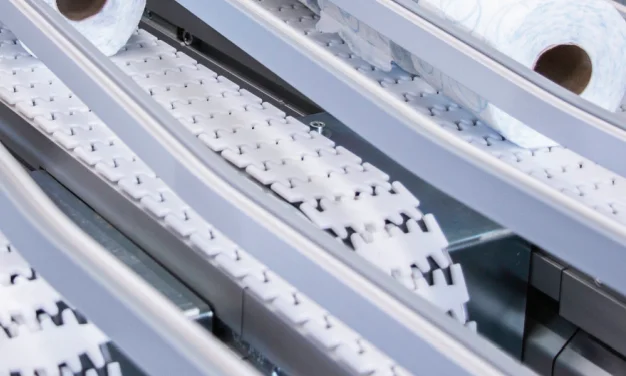
What innovations and advancements have been made in plastic belt technology in recent years?
In recent years, there have been several notable innovations and advancements in plastic belt technology. Here’s a detailed explanation:
- 1. Enhanced Material Formulations:
One significant advancement in plastic belt technology is the development of enhanced material formulations. Manufacturers have been working on creating new polymer blends or modifying existing ones to improve the performance characteristics of plastic belts. These advancements focus on enhancing properties such as strength, flexibility, wear resistance, temperature resistance, and chemical resistance. The result is the availability of plastic belts that can withstand more demanding applications, exhibit greater durability, and offer improved overall performance.
- 2. Reinforcement Technologies:
Reinforcement technologies have been introduced to enhance the strength and load-carrying capacity of plastic belts. Reinforcements such as embedded fibers, fabric layers, or metal cords are incorporated into the belt structure to provide increased tensile strength and dimensional stability. These advancements allow plastic belts to handle heavier loads, endure higher tension levels, and resist elongation or stretching during operation. Reinforced plastic belts are particularly beneficial in industries such as logistics, manufacturing, or mining where heavy-duty conveying is required.
- 3. Modular Belt Designs:
Modular plastic belt designs have gained popularity due to their versatility and ease of maintenance. These belts consist of interlocking modules or links that can be easily assembled and disassembled, allowing for quick belt repairs, replacements, or modifications. The modular design also enables customization of belt width, length, and configuration to suit specific conveyor systems and applications. Additionally, modular plastic belts offer improved hygiene as they have fewer crevices and joints where debris or contaminants can accumulate, making them ideal for industries such as food processing or pharmaceuticals.
- 4. Advanced Surface Coatings:
Advancements in surface coatings have contributed to the performance and functionality of plastic belts. Innovative coatings are applied to the belt surface to enhance properties such as slip resistance, release characteristics, abrasion resistance, or chemical resistance. These coatings can improve the belt’s traction, prevent product sticking or slipping, prolong belt life, and protect against chemical damage. Additionally, specialized coatings with antimicrobial properties have been developed to inhibit the growth of bacteria or microorganisms on the belt surface, making them suitable for applications with strict hygiene requirements.
- 5. Conveyor System Integration:
Recent advancements in plastic belt technology have also focused on improving integration with conveyor systems. Manufacturers have developed innovative designs for sprockets, guides, and other components that ensure efficient belt tracking, reduced friction, and improved overall system performance. These advancements help minimize belt wear, reduce energy consumption, and enhance the lifespan of plastic belts and other conveyor system components.
- 6. Sustainability and Recycling:
There is an increasing emphasis on sustainability in plastic belt technology. Manufacturers are exploring eco-friendly materials and production processes to reduce the environmental impact of plastic belts. Some advancements include the use of recycled or biodegradable materials in belt manufacturing, as well as the development of recycling programs to collect and process used plastic belts at the end of their lifespan. These initiatives aim to minimize waste generation, conserve resources, and promote the circular economy in the conveyor industry.
In summary, recent years have seen significant innovations and advancements in plastic belt technology. Enhanced material formulations, reinforcement technologies, modular belt designs, advanced surface coatings, improved conveyor system integration, and a focus on sustainability have all contributed to the development of more robust, versatile, and environmentally friendly plastic belts. These advancements offer improved performance, durability, customization options, and ease of maintenance, making plastic belts a reliable choice for a wide range of conveyor applications.
How does the durability of plastic belts compare to other materials in conveyor systems?
When comparing the durability of plastic belts to other materials used in conveyor systems, several factors come into play. Here’s a detailed explanation:
- 1. Wear Resistance:
Plastic belts generally offer good wear resistance, allowing them to withstand the demands of many industrial applications. The specific wear resistance can vary depending on the type of plastic material used for the belt. Some plastic materials, such as polyurethane (PU) or acetal (POM), exhibit excellent wear resistance and can withstand abrasive environments better than other materials like fabric or rubber belts. However, in high-intensity applications with heavy loads or sharp objects, metal belts may provide superior wear resistance compared to plastic belts.
- 2. Impact Resistance:
Plastic belts typically have good impact resistance, especially when compared to rigid materials like metal belts. Plastic belts can absorb and dissipate impact forces, reducing the risk of damage or breakage. This makes plastic belts suitable for applications where the conveyed products may encounter impacts during loading, unloading, or handling processes. However, in extremely demanding applications with heavy or sharp impacts, specialized metal belts or reinforced fabric belts may offer higher impact resistance than plastic belts.
- 3. Chemical Resistance:
Plastic belts generally exhibit excellent chemical resistance compared to other materials like fabric or rubber belts. They can withstand exposure to a wide range of chemicals, oils, solvents, and cleaning agents without significant degradation. This makes plastic belts suitable for industries where corrosive substances or chemical cleaning agents are present. In contrast, fabric or rubber belts may deteriorate or experience chemical damage when exposed to aggressive substances.
- 4. Moisture Resistance:
Plastic belts are highly resistant to moisture, making them suitable for applications in wet environments or where frequent washdowns are required. Unlike fabric belts that can absorb moisture and become weakened, plastic belts maintain their structural integrity and performance even when exposed to water or high humidity. Metal belts, on the other hand, may be prone to corrosion when exposed to moisture, requiring additional protective measures.
- 5. Temperature Resistance:
The temperature resistance of plastic belts can vary depending on the specific plastic material used. Some plastic materials, such as polypropylene (PP) or polyethylene (PE), have lower temperature resistance compared to other materials like metal belts. However, there are plastic belt options available, such as polyurethane (PU) or polyvinyl chloride (PVC), that offer high-temperature resistance and can withstand elevated temperatures in industrial applications. It’s essential to select a plastic belt that matches the temperature range of the intended application.
- 6. Longevity and Maintenance:
The longevity and maintenance requirements of plastic belts can be favorable compared to other materials. Plastic belts typically have a longer lifespan than fabric belts, as they are less prone to fraying, tearing, or stretching. They also require minimal maintenance, as they do not need regular lubrication or tension adjustments like metal belts. Plastic belts can be easily cleaned and sanitized, prolonging their service life. However, metal belts may offer exceptional longevity and require minimal maintenance as well.
In summary, plastic belts offer good durability in many industrial applications, particularly when it comes to wear resistance, impact resistance, chemical resistance, moisture resistance, and ease of maintenance. However, in certain demanding applications with heavy loads, sharp impacts, or extreme temperatures, specialized metal belts or reinforced fabric belts may provide superior durability. It’s crucial to assess the specific requirements of the application and select the most appropriate belt material based on the expected operating conditions and the desired level of durability.
How do plastic belts contribute to the efficiency and functionality of conveyor systems?
Plastic belts play a crucial role in enhancing the efficiency and functionality of conveyor systems. Here’s a detailed explanation:
- 1. Lightweight and High Strength:
Plastic belts are typically lightweight yet offer high strength and load-carrying capacity. Their lightweight nature reduces the overall weight of the conveyor system, resulting in lower energy consumption and reduced strain on the system’s components. Despite their lightness, plastic belts can handle heavy loads, making them suitable for a wide range of applications while maintaining efficiency and functionality.
- 2. Flexibility and Adaptability:
Plastic belts are highly flexible and adaptable, allowing them to conform to the shape of the conveyor system. This flexibility enables the belts to navigate around pulleys, curves, and other obstacles smoothly. It also facilitates easy installation and adjustment of the conveyor system, making it more versatile and accommodating to different layout configurations. The adaptability of plastic belts contributes to efficient material handling and optimized system functionality.
- 3. Low Friction and Energy Efficiency:
Plastic belts have low friction characteristics, which significantly reduce energy consumption in conveyor systems. The low coefficient of friction between the belt and the conveyor components minimizes resistance and allows for smooth movement of materials. This low friction property not only enhances the efficiency of the system but also reduces wear and tear on the belt and other system components, leading to extended service life and reduced maintenance requirements.
- 4. Chemical Resistance and Hygiene:
Plastic belts are often resistant to chemicals, oils, and other substances, making them suitable for conveying materials in various industries, including food processing, pharmaceuticals, and manufacturing. Their chemical resistance ensures that the belts can withstand exposure to corrosive or potentially harmful substances without degradation or contamination. Additionally, plastic belts can be easily cleaned and sanitized, promoting hygiene and meeting strict industry standards in applications where cleanliness is essential.
- 5. Noise Reduction:
Compared to traditional conveyor belts made of materials like metal or rubber, plastic belts offer noise reduction benefits. Plastic belts produce less noise during operation due to their inherent damping properties. This noise reduction is especially advantageous in environments where noise levels need to be minimized, such as in retail settings or sensitive manufacturing processes, contributing to a quieter and more comfortable work environment.
- 6. Durability and Longevity:
Plastic belts are known for their durability and longevity. They are resistant to wear, abrasion, and impact, ensuring reliable and long-lasting performance in demanding conveyor applications. Plastic belts are less susceptible to damage from moisture, temperature variations, and other environmental factors, which can compromise the functionality of other belt materials. Their durability and longevity contribute to increased uptime, reduced downtime, and overall cost savings in conveyor system operation.
In summary, plastic belts offer several advantages that contribute to the efficiency and functionality of conveyor systems. Their lightweight yet high-strength construction, flexibility and adaptability, low friction characteristics, chemical resistance, noise reduction properties, and durability make them valuable components in a wide range of industries. By utilizing plastic belts, conveyor systems can achieve improved material handling efficiency, reduced energy consumption, enhanced hygiene, minimized maintenance requirements, and extended service life.


editor by CX 2024-01-16