
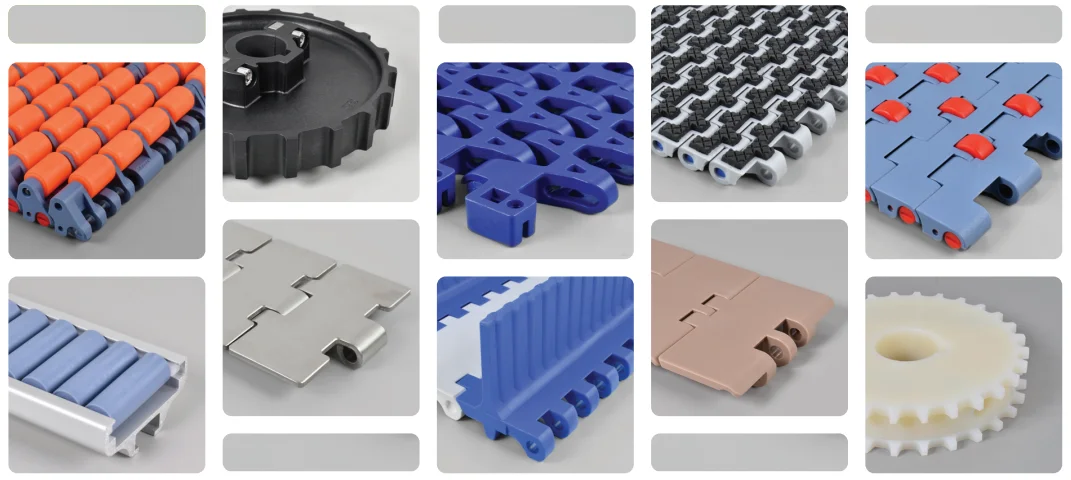
Can you provide insights into the future trends and developments in plastic belt technology for industrial conveyance?
Plastic belt technology for industrial conveyance is continuously evolving, driven by advancements in materials science, manufacturing processes, and industry demands. Here are some insights into the future trends and developments in plastic belt technology:
- 1. Enhanced Material Formulations:
Future developments in plastic belt technology will likely involve the development of advanced material formulations with improved properties. Manufacturers are investing in research and development to enhance the strength, durability, and wear resistance of plastic belts. These developments may include the use of new polymers, additives, and reinforcement materials to create belts that can withstand higher loads, temperatures, and abrasive environments.
- 2. Increased Customization:
Customization is becoming a significant trend in plastic belt technology. Conveyor systems are used in a wide range of industries with varying requirements, and customization allows for tailored solutions. In the future, plastic belt manufacturers may offer a wider range of customization options, such as belt width, surface patterns, and specialized coatings, to meet specific application needs. This trend will enable optimized performance, improved efficiency, and reduced maintenance for industrial conveyance systems.
- 3. Integration of Smart Technologies:
Smart technologies are increasingly being integrated into industrial systems, and plastic belt technology is no exception. In the future, plastic belts may incorporate sensors, data collection devices, and connectivity features to enable real-time monitoring and analysis of belt performance. This integration of smart technologies will allow for predictive maintenance, early fault detection, and optimization of conveyor system efficiency. The data collected from the belts can be used to optimize operations, reduce downtime, and improve overall productivity.
- 4. Focus on Sustainability:
Sustainability is a growing concern in the industrial sector, and future developments in plastic belt technology will likely reflect this trend. Manufacturers are exploring ways to reduce the environmental impact of plastic belts by incorporating recycled materials, adopting more sustainable manufacturing processes, and improving end-of-life management. Additionally, there may be an increased emphasis on designing belts that are lighter in weight, energy-efficient, and recyclable, thus further enhancing the sustainability profile of plastic belt technology.
- 5. Advancements in Joining and Splicing Techniques:
The joining and splicing of plastic belts are critical for creating a continuous and reliable conveyor system. Future developments may focus on advancements in joining and splicing techniques to improve the strength, flexibility, and longevity of belt connections. This can involve the development of new bonding agents, welding methods, or mechanical fastening systems that provide stronger and more durable belt joints. These advancements will contribute to the overall performance and reliability of plastic belt technology in industrial conveyance.
In summary, the future of plastic belt technology for industrial conveyance is expected to witness advancements in material formulations, increased customization options, integration of smart technologies, a focus on sustainability, and improvements in joining and splicing techniques. These developments will drive enhanced performance, efficiency, and sustainability of conveyor systems, meeting the evolving needs of industries across various sectors.
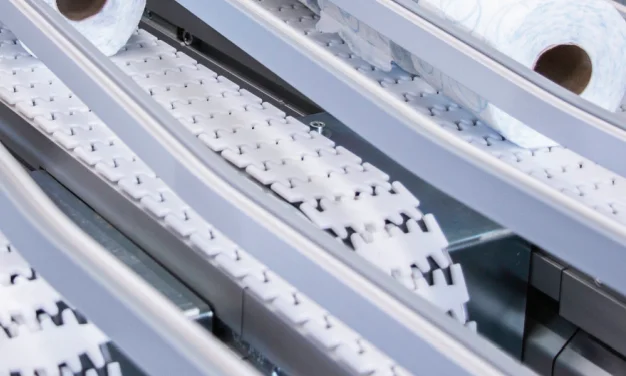
How does the durability of plastic belts compare to other materials in conveyor systems?
When comparing the durability of plastic belts to other materials used in conveyor systems, several factors come into play. Here’s a detailed explanation:
- 1. Wear Resistance:
Plastic belts generally offer good wear resistance, allowing them to withstand the demands of many industrial applications. The specific wear resistance can vary depending on the type of plastic material used for the belt. Some plastic materials, such as polyurethane (PU) or acetal (POM), exhibit excellent wear resistance and can withstand abrasive environments better than other materials like fabric or rubber belts. However, in high-intensity applications with heavy loads or sharp objects, metal belts may provide superior wear resistance compared to plastic belts.
- 2. Impact Resistance:
Plastic belts typically have good impact resistance, especially when compared to rigid materials like metal belts. Plastic belts can absorb and dissipate impact forces, reducing the risk of damage or breakage. This makes plastic belts suitable for applications where the conveyed products may encounter impacts during loading, unloading, or handling processes. However, in extremely demanding applications with heavy or sharp impacts, specialized metal belts or reinforced fabric belts may offer higher impact resistance than plastic belts.
- 3. Chemical Resistance:
Plastic belts generally exhibit excellent chemical resistance compared to other materials like fabric or rubber belts. They can withstand exposure to a wide range of chemicals, oils, solvents, and cleaning agents without significant degradation. This makes plastic belts suitable for industries where corrosive substances or chemical cleaning agents are present. In contrast, fabric or rubber belts may deteriorate or experience chemical damage when exposed to aggressive substances.
- 4. Moisture Resistance:
Plastic belts are highly resistant to moisture, making them suitable for applications in wet environments or where frequent washdowns are required. Unlike fabric belts that can absorb moisture and become weakened, plastic belts maintain their structural integrity and performance even when exposed to water or high humidity. Metal belts, on the other hand, may be prone to corrosion when exposed to moisture, requiring additional protective measures.
- 5. Temperature Resistance:
The temperature resistance of plastic belts can vary depending on the specific plastic material used. Some plastic materials, such as polypropylene (PP) or polyethylene (PE), have lower temperature resistance compared to other materials like metal belts. However, there are plastic belt options available, such as polyurethane (PU) or polyvinyl chloride (PVC), that offer high-temperature resistance and can withstand elevated temperatures in industrial applications. It’s essential to select a plastic belt that matches the temperature range of the intended application.
- 6. Longevity and Maintenance:
The longevity and maintenance requirements of plastic belts can be favorable compared to other materials. Plastic belts typically have a longer lifespan than fabric belts, as they are less prone to fraying, tearing, or stretching. They also require minimal maintenance, as they do not need regular lubrication or tension adjustments like metal belts. Plastic belts can be easily cleaned and sanitized, prolonging their service life. However, metal belts may offer exceptional longevity and require minimal maintenance as well.
In summary, plastic belts offer good durability in many industrial applications, particularly when it comes to wear resistance, impact resistance, chemical resistance, moisture resistance, and ease of maintenance. However, in certain demanding applications with heavy loads, sharp impacts, or extreme temperatures, specialized metal belts or reinforced fabric belts may provide superior durability. It’s crucial to assess the specific requirements of the application and select the most appropriate belt material based on the expected operating conditions and the desired level of durability.
Can you explain the advantages of using plastic belts over traditional materials in conveyor systems?
Using plastic belts in conveyor systems offers several advantages over traditional materials such as rubber or fabric. Plastic belts, also known as polymer belts or synthetic belts, are made from various types of plastic materials and provide unique characteristics that make them desirable for conveyor applications. Here’s a detailed explanation of the advantages of using plastic belts over traditional materials in conveyor systems:
- Durability and Longevity:
- Versatility and Customization:
- Hygienic and Easy to Clean:
- Low Friction and Energy Efficiency:
- Chemical Resistance:
- Lightweight and Easy Installation:
Plastic belts are known for their durability and longevity. They are resistant to wear, abrasion, and impact, allowing them to withstand harsh operating conditions. Unlike rubber or fabric belts, plastic belts do not easily degrade or stretch over time. They can handle heavy loads and maintain their shape and performance for extended periods, resulting in reduced maintenance and replacement costs for conveyor systems.
Plastic belts offer versatility and customization options for conveyor systems. They can be manufactured in various sizes, widths, and configurations to meet specific application requirements. Plastic belts can have different surface patterns, such as smooth, textured, or perforated, providing enhanced grip, airflow, or product release capabilities. Additionally, plastic belts can be designed with specialized features like high temperature resistance, chemical resistance, or anti-static properties, making them suitable for diverse industries and conveyor applications.
Plastic belts are highly hygienic and easy to clean, making them ideal for industries with strict cleanliness and sanitation standards. Unlike fabric belts, plastic belts do not absorb liquids or harbor bacteria, reducing the risk of contamination in food processing, pharmaceutical, or other clean environments. Plastic belts can be easily cleaned using water, steam, or cleaning agents, ensuring optimal hygiene and compliance with industry regulations.
Plastic belts offer low friction characteristics, resulting in energy-efficient conveyor systems. The reduced friction between the belt and the conveyor components minimizes power consumption, allowing for cost savings and environmental benefits. Additionally, the low friction properties of plastic belts contribute to smoother and quieter operation, reducing noise levels in the workplace.
Plastic belts exhibit excellent chemical resistance, making them suitable for conveyor systems that handle corrosive or aggressive substances. They can withstand exposure to various chemicals, oils, solvents, and cleaning agents without deteriorating or experiencing significant damage. Plastic belts’ chemical resistance ensures their longevity and reliability in industries such as chemical processing, pharmaceuticals, or wastewater treatment.
Plastic belts are lightweight compared to traditional materials, facilitating easy installation and maintenance of conveyor systems. The reduced weight of plastic belts reduces the strain on conveyor components, extending their lifespan. Additionally, the lightweight nature of plastic belts simplifies handling during installation or replacement, improving efficiency and reducing downtime.
In summary, using plastic belts in conveyor systems offers significant advantages over traditional materials. They provide durability, versatility, and customization options, ensuring long-lasting and efficient performance. Plastic belts are hygienic, easy to clean, and resistant to chemicals, making them suitable for industries with strict cleanliness requirements. They offer low friction and energy efficiency, contributing to cost savings and environmental benefits. Moreover, plastic belts are lightweight and easy to install, simplifying maintenance and reducing downtime. These advantages make plastic belts a preferred choice in various industries for their conveyor system needs.


editor by CX 2024-01-15