
Product Description
Product Details
Description
- OEM size suit for customers’ requirment
- Multiple color can be choosed
- Engraved or embossed logo accepted
- Large order quantity are CZPT to be fulfilled
- Strict quality control system
- In time delivery and thoughtful custom-service
- Certification: SGS, GB/T 19001-2016, ISO9001:2005
| Service | Product & Mold Design and Making,Material Modification,Surface Treatment,Assembly,Custom Packaging |
| Technology | Injection molding, CNC machining, Extrusion, vacuum forming, Compression molding, Over molding&insert molding |
| Material | Rubber silicone plastic metal Nylon ,mc nylon, POM,ABS,PU,PP,PE,PTFE,UHMWPE,HDPE,LDPE, PVC,etc. |
| Color | any color according to Pantone code |
| Size | As per customer’s requirements |
| Additives | UV absorbers, Flame retardants, Plasticizers, Colorants, Carbon fibers, Glass fibers |
| Surface Treatment | Glossy, Semi-gloss, Matte, Textured finish, As-machined |
| Biggest Part Size | 1500*1500*1000mm |
| Tolerance | 0.01mm–0.001mm |
| Product Volume | 50,000,000 Pcs/Month |
| Drawing Format | 2D Drawing: PDF/JPG/PNG 3D Drawing: STEP/STP/IGS/DXF/DWG |
| Packaging | Can be customized packaging |
| Shippment | We have longterm cooperation with internation shipping agent and express company, so that shipping safty and arriving time are secured |
| Application | Automotive, ATV, Mechanical equipment, Construction, Home appliance, Aviation, Office facilities, Agriculture, etc. |
Our Factory
Customization Capabilities
/* March 10, 2571 17:59:20 */!function(){function s(e,r){var a,o={};try{e&&e.split(“,”).forEach(function(e,t){e&&(a=e.match(/(.*?):(.*)$/))&&1
| Pulley Sizes: | Type D |
|---|---|
| Manufacturing Process: | Forging |
| Material: | Plastic |
| Samples: | US$ 999/Piece 1 Piece(Min.Order) | Order Sample For sample price, package information, and logisti |
|---|
| Customization: | Available | Customized Request |
|---|
.shipping-cost-tm .tm-status-off{background: none;padding:0;color: #1470cc}
| Shipping Cost: Estimated freight per unit. | about shipping cost and estimated delivery time. |
|---|
| Payment Method: |
|
|---|---|
| Initial Payment Full Payment |
| Currency: | US$ |
|---|
| Return&refunds: | You can apply for a refund up to 30 days after receipt of the products. |
|---|
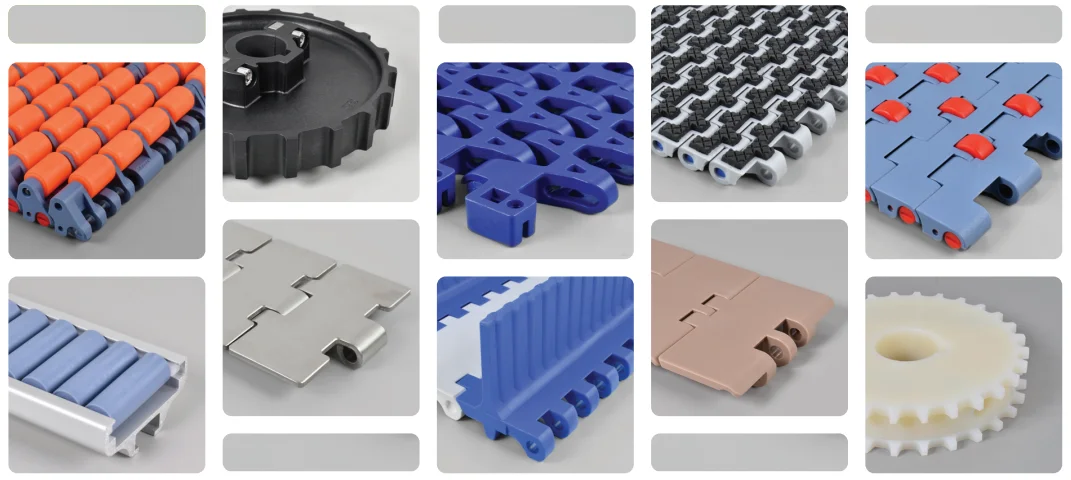
Can you provide insights into the future trends and developments in plastic belt technology for industrial conveyance?
Plastic belt technology for industrial conveyance is continuously evolving, driven by advancements in materials science, manufacturing processes, and industry demands. Here are some insights into the future trends and developments in plastic belt technology:
- 1. Enhanced Material Formulations:
Future developments in plastic belt technology will likely involve the development of advanced material formulations with improved properties. Manufacturers are investing in research and development to enhance the strength, durability, and wear resistance of plastic belts. These developments may include the use of new polymers, additives, and reinforcement materials to create belts that can withstand higher loads, temperatures, and abrasive environments.
- 2. Increased Customization:
Customization is becoming a significant trend in plastic belt technology. Conveyor systems are used in a wide range of industries with varying requirements, and customization allows for tailored solutions. In the future, plastic belt manufacturers may offer a wider range of customization options, such as belt width, surface patterns, and specialized coatings, to meet specific application needs. This trend will enable optimized performance, improved efficiency, and reduced maintenance for industrial conveyance systems.
- 3. Integration of Smart Technologies:
Smart technologies are increasingly being integrated into industrial systems, and plastic belt technology is no exception. In the future, plastic belts may incorporate sensors, data collection devices, and connectivity features to enable real-time monitoring and analysis of belt performance. This integration of smart technologies will allow for predictive maintenance, early fault detection, and optimization of conveyor system efficiency. The data collected from the belts can be used to optimize operations, reduce downtime, and improve overall productivity.
- 4. Focus on Sustainability:
Sustainability is a growing concern in the industrial sector, and future developments in plastic belt technology will likely reflect this trend. Manufacturers are exploring ways to reduce the environmental impact of plastic belts by incorporating recycled materials, adopting more sustainable manufacturing processes, and improving end-of-life management. Additionally, there may be an increased emphasis on designing belts that are lighter in weight, energy-efficient, and recyclable, thus further enhancing the sustainability profile of plastic belt technology.
- 5. Advancements in Joining and Splicing Techniques:
The joining and splicing of plastic belts are critical for creating a continuous and reliable conveyor system. Future developments may focus on advancements in joining and splicing techniques to improve the strength, flexibility, and longevity of belt connections. This can involve the development of new bonding agents, welding methods, or mechanical fastening systems that provide stronger and more durable belt joints. These advancements will contribute to the overall performance and reliability of plastic belt technology in industrial conveyance.
In summary, the future of plastic belt technology for industrial conveyance is expected to witness advancements in material formulations, increased customization options, integration of smart technologies, a focus on sustainability, and improvements in joining and splicing techniques. These developments will drive enhanced performance, efficiency, and sustainability of conveyor systems, meeting the evolving needs of industries across various sectors.
What factors should be considered when selecting plastic belts for different industrial applications?
When selecting plastic belts for different industrial applications, several factors should be taken into consideration. Here are the key factors to consider:
- 1. Application Requirements:
Understand the specific requirements of the application. Consider factors such as the type of products being conveyed, the weight and size of the loads, the desired conveying speed, the operating temperature range, the presence of moisture or chemicals, and any special handling needs. Clear knowledge of the application requirements will help in selecting a plastic belt with the appropriate characteristics and capabilities.
- 2. Belt Configuration and Design:
Consider the belt configuration and design that best suits the application. Different plastic belts come in various configurations, including flat-top, flush-grid, raised-rib, and modular designs. Evaluate the belt’s surface texture, open area percentage, and any specialized features such as cleats, perforations, or vacuum capabilities. The belt design should align with the product characteristics, conveying conditions, and any specific requirements like incline/decline conveying or product diverting.
- 3. Material Selection:
Choose the appropriate plastic material for the belt based on the application’s demands. Common plastic materials used for belts include polyethylene (PE), polypropylene (PP), acetal (POM), polyvinyl chloride (PVC), and polyurethane (PU). Consider factors such as chemical resistance, temperature resistance, wear resistance, flexibility, and food-grade compliance. Ensure the selected material can withstand the operating conditions and environmental factors that the belt will encounter.
- 4. Load Capacity and Durability:
Evaluate the load capacity requirements of the application and select a plastic belt that can handle the intended loads. Consider the weight capacity per unit width and the overall strength and durability of the belt. Factors such as the belt’s tensile strength, impact resistance, and resistance to abrasion or wear are important for ensuring the longevity and reliability of the belt in demanding industrial environments.
- 5. Cleanability and Hygiene:
In industries with stringent hygiene requirements, such as food processing or pharmaceuticals, prioritize plastic belts that are easy to clean and sanitize. Look for belts with smooth, non-porous surfaces that resist bacterial growth and are compatible with regular washdown procedures. Consider whether the belt can withstand cleaning agents and temperature variations without degradation or compromising its hygienic properties.
- 6. Compatibility with Conveyor System:
Ensure the selected plastic belt is compatible with the existing or planned conveyor system. Consider factors such as the belt’s width and length options, the type of conveyor system (e.g., flatbed, roller, or modular), the compatibility of the belt’s sprockets or pulleys with the conveyor system, and the ease of installation and maintenance. Proper compatibility will ensure smooth integration and optimal performance of the belt within the conveyor system.
- 7. Cost and Long-Term Value:
Evaluate the cost-effectiveness and long-term value of the plastic belt. Consider not only the upfront cost of the belt but also its expected lifespan, maintenance requirements, and potential savings in terms of reduced downtime, increased productivity, and lower operational costs. Balancing cost considerations with the desired performance and durability will help in selecting a plastic belt that delivers the best value for the specific industrial application.
By considering these factors in the selection process, industries can choose the most suitable plastic belt that meets the unique requirements of their industrial applications, ensuring efficient and reliable material handling operations.
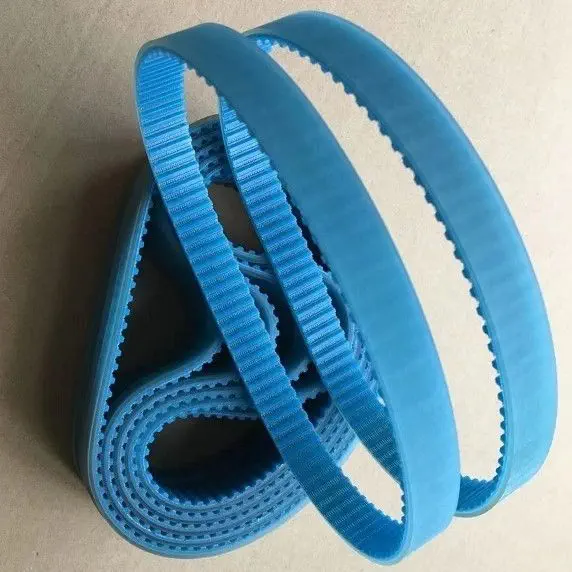
Can you describe the different types of plastic belts available in the market today?
There are several different types of plastic belts available in the market today, each designed to meet specific application requirements. Here’s an overview of some commonly used types:
- 1. Modular Plastic Belts:
Modular plastic belts consist of interlocking plastic modules or links that form a continuous belt. These belts offer flexibility, allowing them to navigate around corners, bends, and other obstacles smoothly. They are commonly used in applications that require accumulation, incline/decline conveying, or small product transfer. Modular plastic belts are available in various configurations, such as flat-top, flush-grid, and raised-rib designs, to accommodate different product types and handling requirements.
- 2. Solid Plastic Belts:
Solid plastic belts are made from a single piece of plastic material without interlocking modules. They offer a smooth and continuous surface, making them suitable for applications that require stable and consistent product conveying. Solid plastic belts are often used in industries such as food processing, where hygiene, easy cleaning, and resistance to contamination are crucial.
- 3. Cleated Plastic Belts:
Cleated plastic belts feature integrally molded cleats or projections on their surface. These cleats help to prevent product slippage and facilitate the inclined or vertical movement of bulk materials or packages. Cleated plastic belts are commonly used in applications such as incline or decline conveying, sorting, and elevating products in industries like agriculture, recycling, and manufacturing.
- 4. Wire Mesh Plastic Belts:
Wire mesh plastic belts consist of a plastic mesh overlaying metal or plastic rods. These belts offer an open and breathable surface, allowing for easy drainage, airflow, and visual inspection of conveyed products. They are often used in applications where heat, steam, or liquids need to pass through the belt, such as baking ovens, washing processes, or drying operations in the food industry.
- 5. Vacuum Plastic Belts:
Vacuum plastic belts are designed with a perforated or porous surface that allows the application of vacuum pressure to hold and stabilize lightweight or delicate products during conveying. These belts are commonly used in industries such as electronics, printing, and packaging, where precise positioning and gentle handling of products are required.
- 6. Anti-Static Plastic Belts:
Anti-static plastic belts are specifically designed to dissipate static electricity and prevent the buildup of electrostatic charges. They are used in applications where static discharge could damage sensitive electronic components or create safety hazards. Anti-static plastic belts are commonly employed in electronics manufacturing, semiconductor production, and cleanroom environments.
These are just a few examples of the different types of plastic belts available in the market today. The choice of plastic belt depends on factors such as the application requirements, load capacity, product characteristics, environmental conditions, and industry-specific regulations. Manufacturers often offer a range of customization options to tailor the belt design, material, and features to meet the specific needs of their customers.


editor by CX 2024-01-12